Latest posts
-
Why Humans Find Cats So Adorable
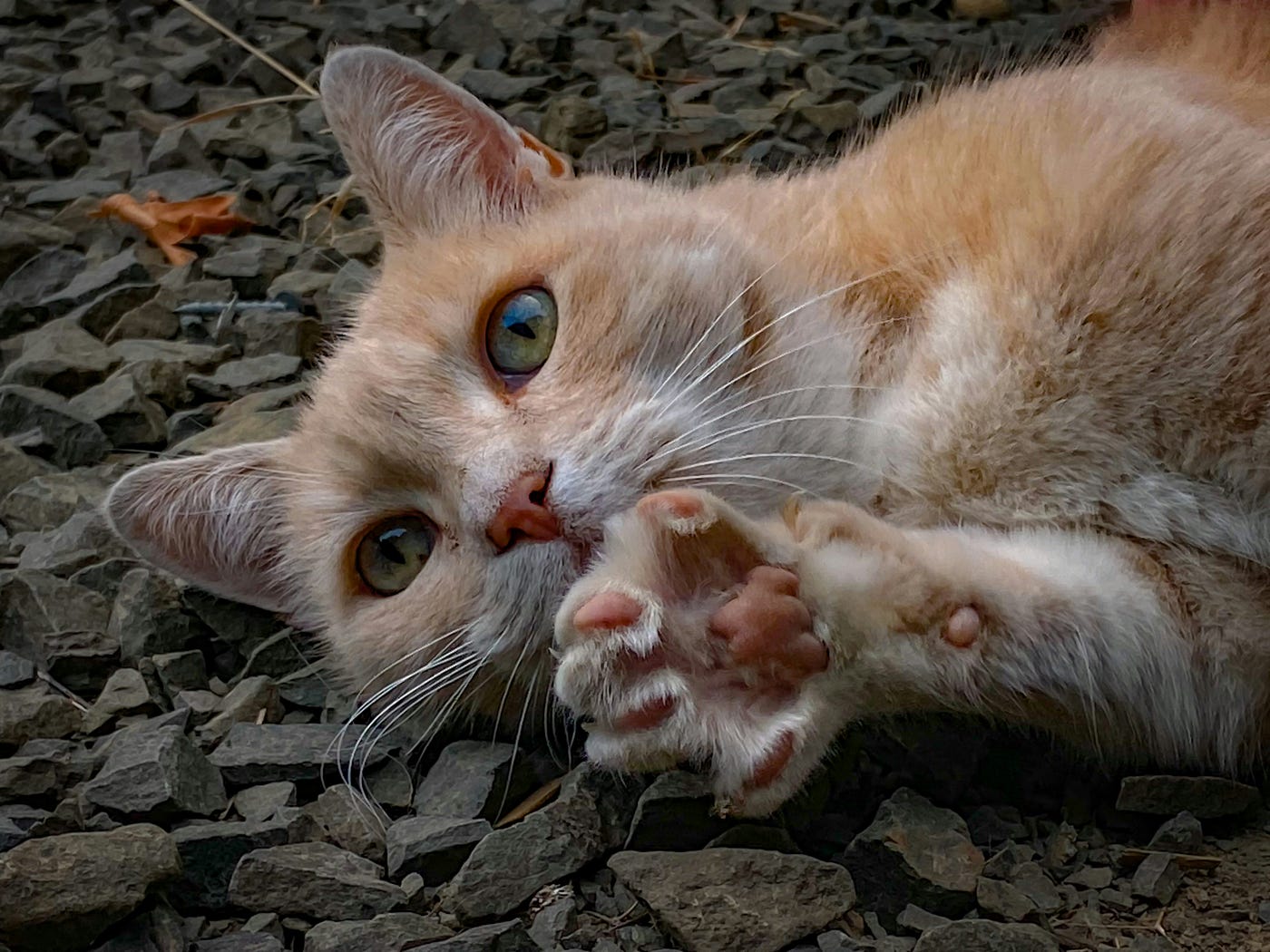
What Makes Cats Universally Cute Cat cuteness is not just a subjective feeling; it is deeply rooted in biology and psychology. Humans across cultures tend to perceive cats as cute due to a combination of facial structure, behavior, and evolutionary triggers. Large eyes, round faces, soft fur, and small noses all contribute to what scientists
-
Cat Psychology and Learning Systems: How Feline Minds Work
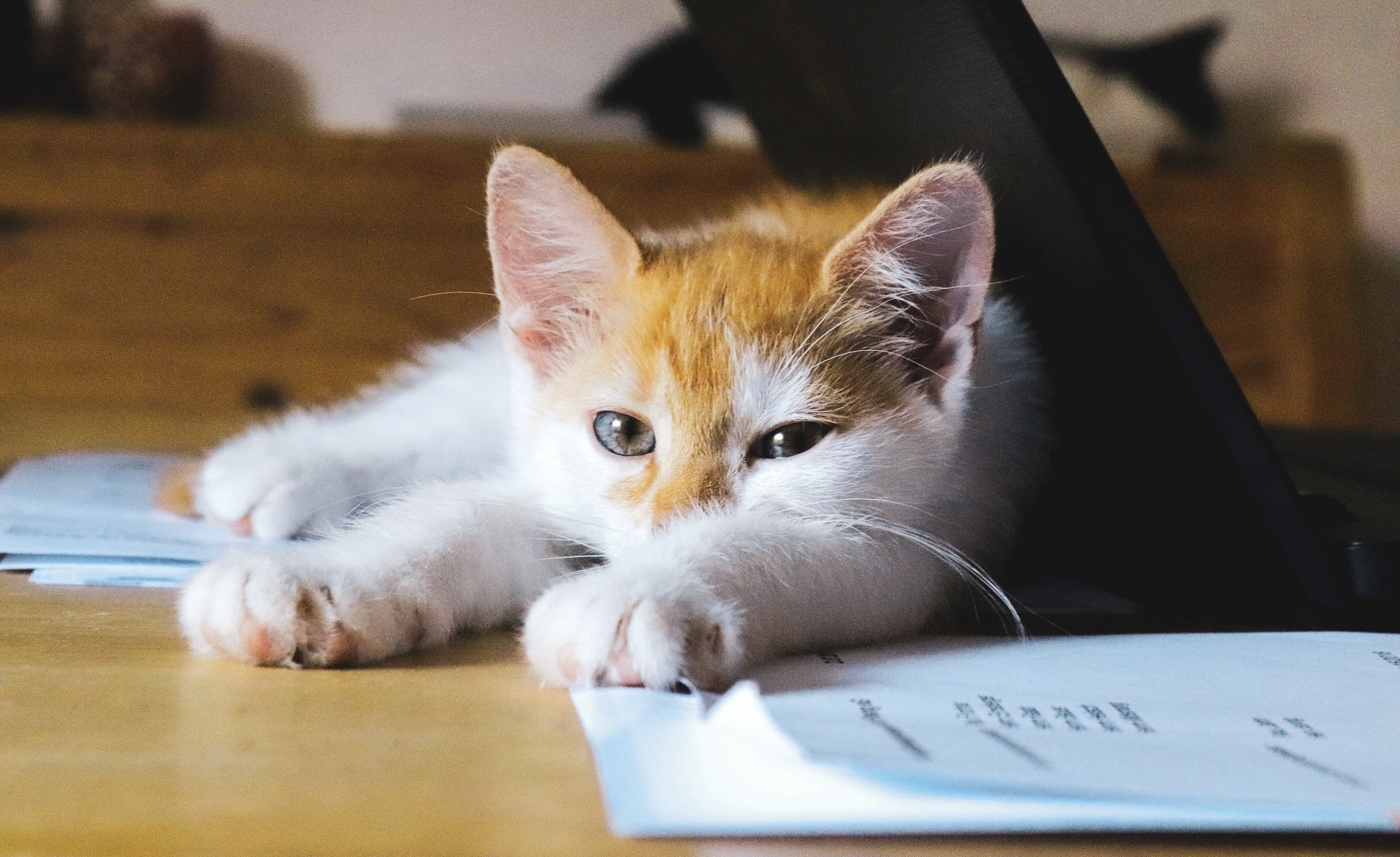
Understanding the Feline Mind Cat psychology is the study of how cats perceive, process, and respond to their environment. Unlike humans, cats do not rely heavily on abstract reasoning or long-term planning. Instead, their behavior is shaped by instinct, sensory input, and learned associations. A cat’s brain is highly specialized for survival, hunting, and environmental
-
Understanding Cat Behavior: Science Behind Feline Actions
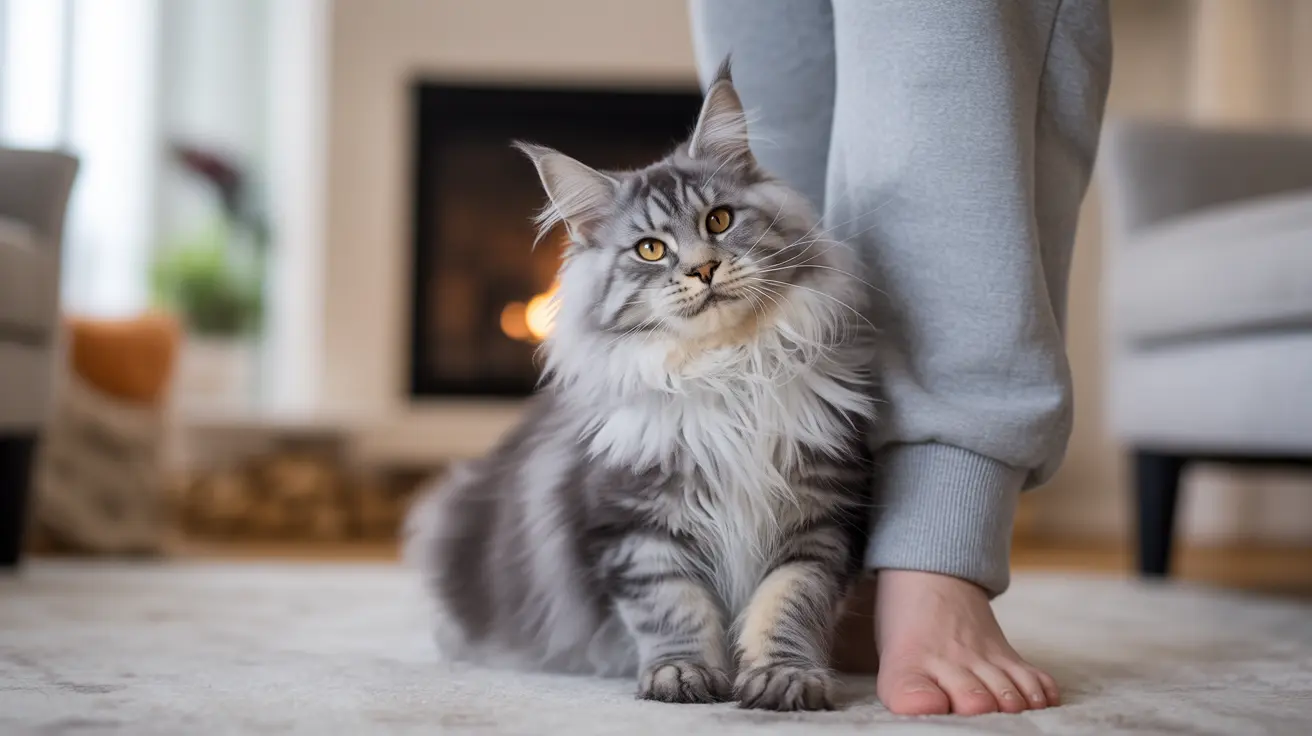
How Cats Communicate Without Words Cat behavior is a complex system of signals, instincts, and learned responses. Unlike humans, cats do not rely on spoken language. Instead, they communicate through body posture, vocalization, scent marking, and subtle behavioral cues. Every movement a cat makes has meaning, even when it appears random to human observers. Ear
-
Indoor Cat Obesity: Science and Weight Loss Plan
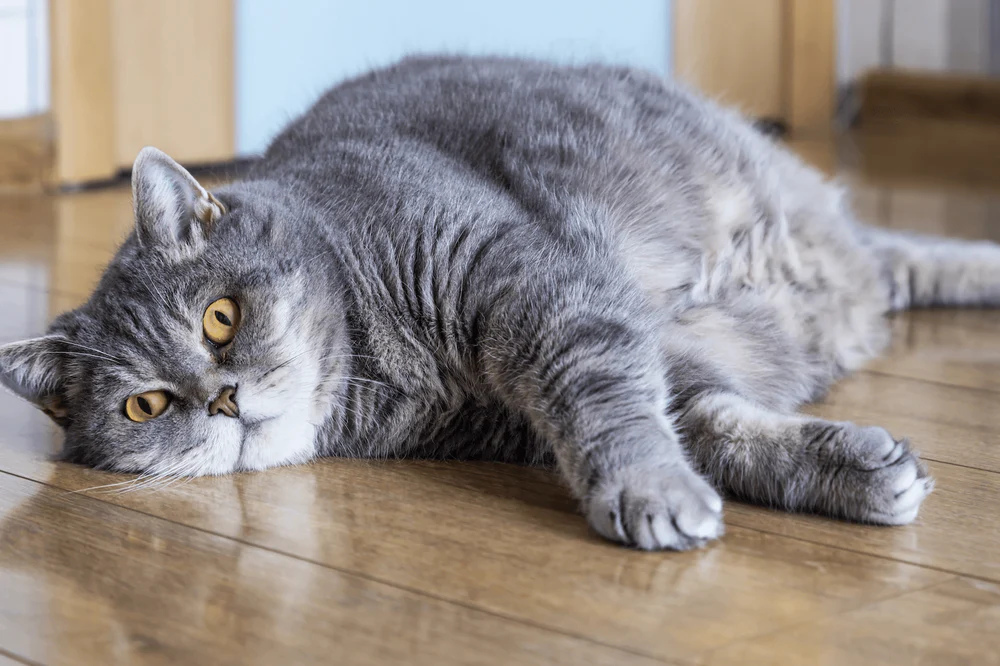
Understanding Why Indoor Cats Gain Weight Indoor cat obesity is one of the most common health problems in modern feline populations. Unlike outdoor cats, indoor cats have limited space to roam, hunt, and exercise. At the same time, they often have constant access to high-calorie food. This imbalance between energy intake and energy expenditure is
-
Feline Cognitive Dysfunction in Senior Cats (Cat Dementia)
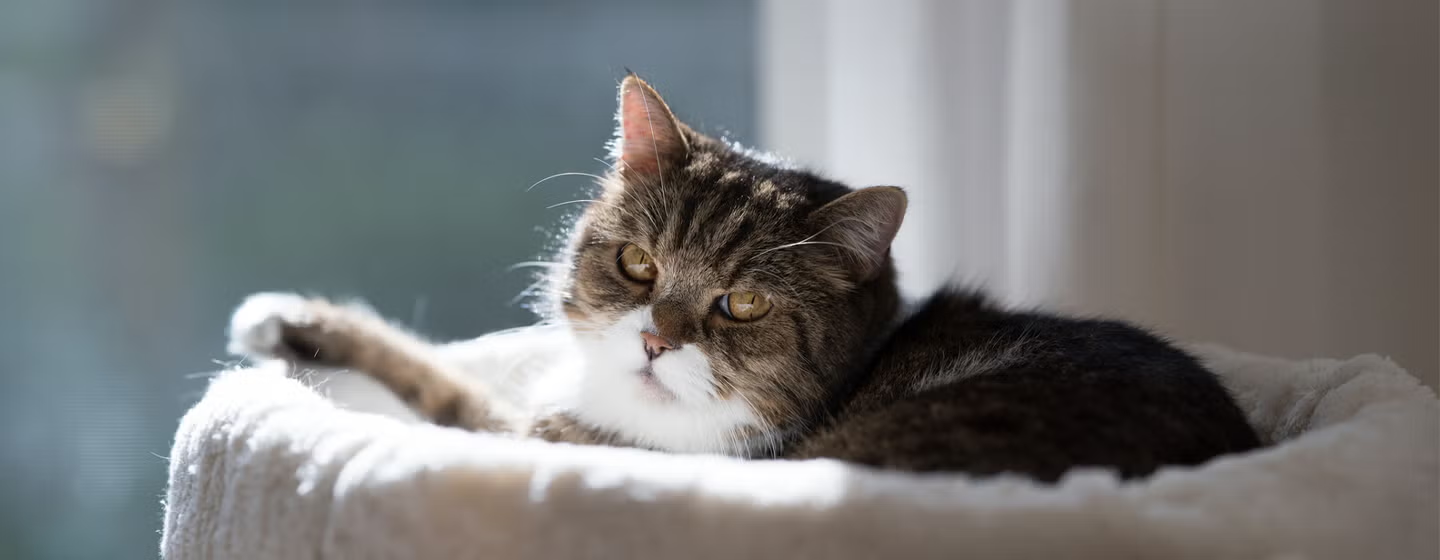
Understanding Cognitive Decline in Cats As cats age, their brains undergo natural changes that can affect memory, awareness, behavior, and daily routines. This condition is commonly referred to as Feline Cognitive Dysfunction (FCD), often compared to dementia or Alzheimer’s disease in humans. Senior cats experiencing cognitive decline may become confused, forget familiar environments, or show
-
Why Do Cats Bring Dead Animals Home?
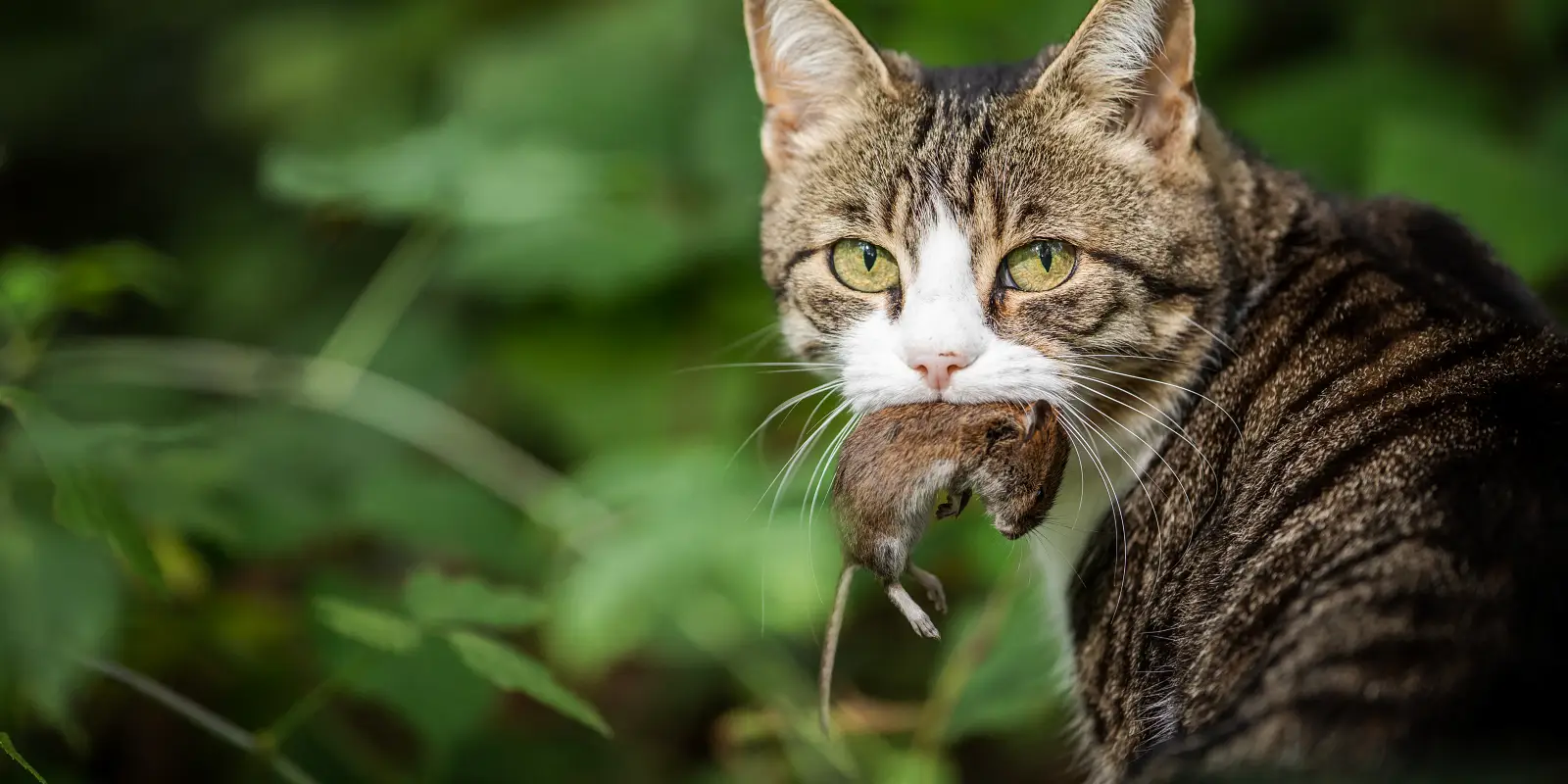
Understanding Natural Hunting Instincts Cats are natural predators with strong hunting instincts inherited from their wild ancestors. Even well-fed domestic cats often continue hunting because the behavior is instinctive rather than driven only by hunger. Birds, mice, insects, and small reptiles commonly trigger a cat’s prey drive. Outdoor cats especially spend time stalking, chasing, and
-
Why Cats Chase Laser Pointers
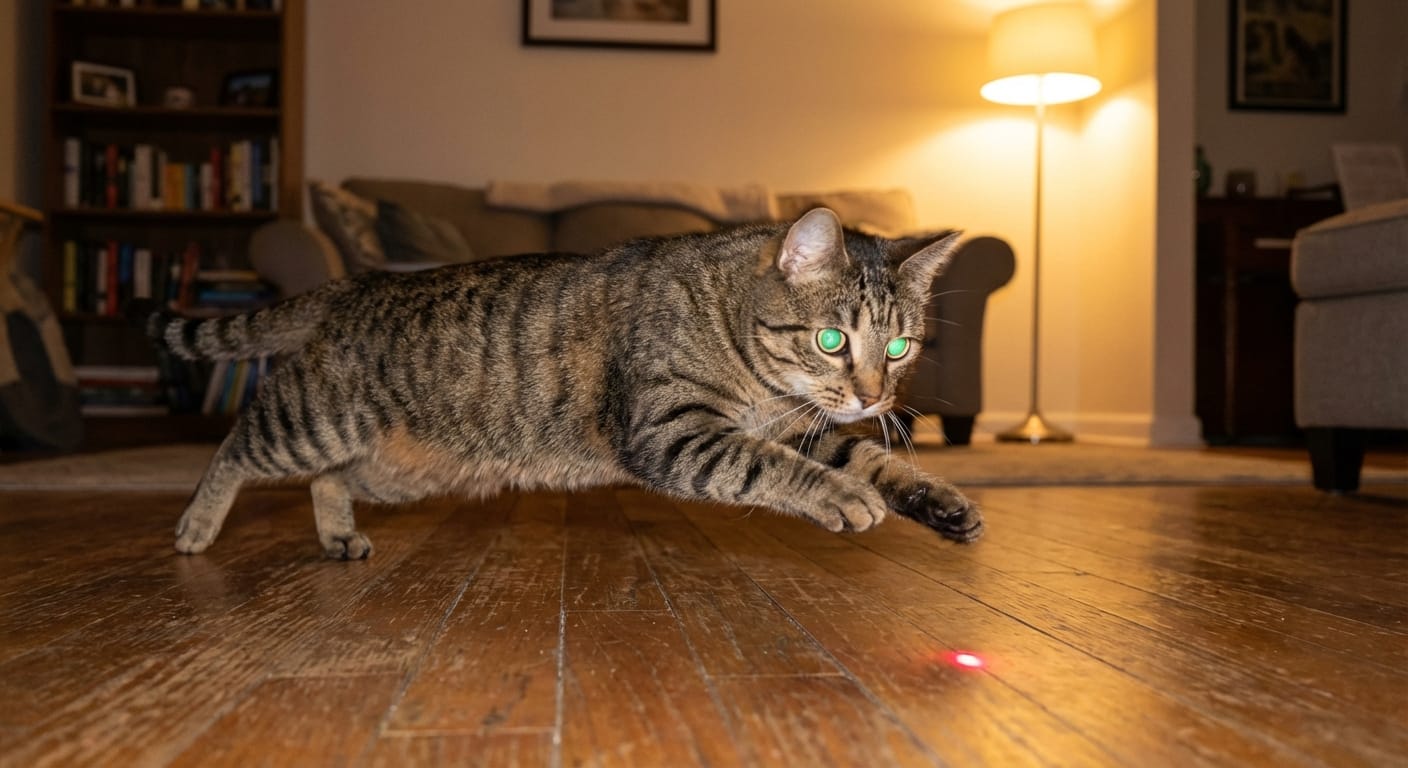
Understanding a Cat’s Hunting Instinct Cats are natural hunters with strong instincts that remain active even in indoor environments. Chasing movement is deeply connected to survival behaviors developed over thousands of years. Small moving objects immediately attract a cat’s attention because they resemble prey such as insects, birds, or rodents. Laser pointers trigger these hunting
-
Best Cat Toys for Intelligent Indoor Cats
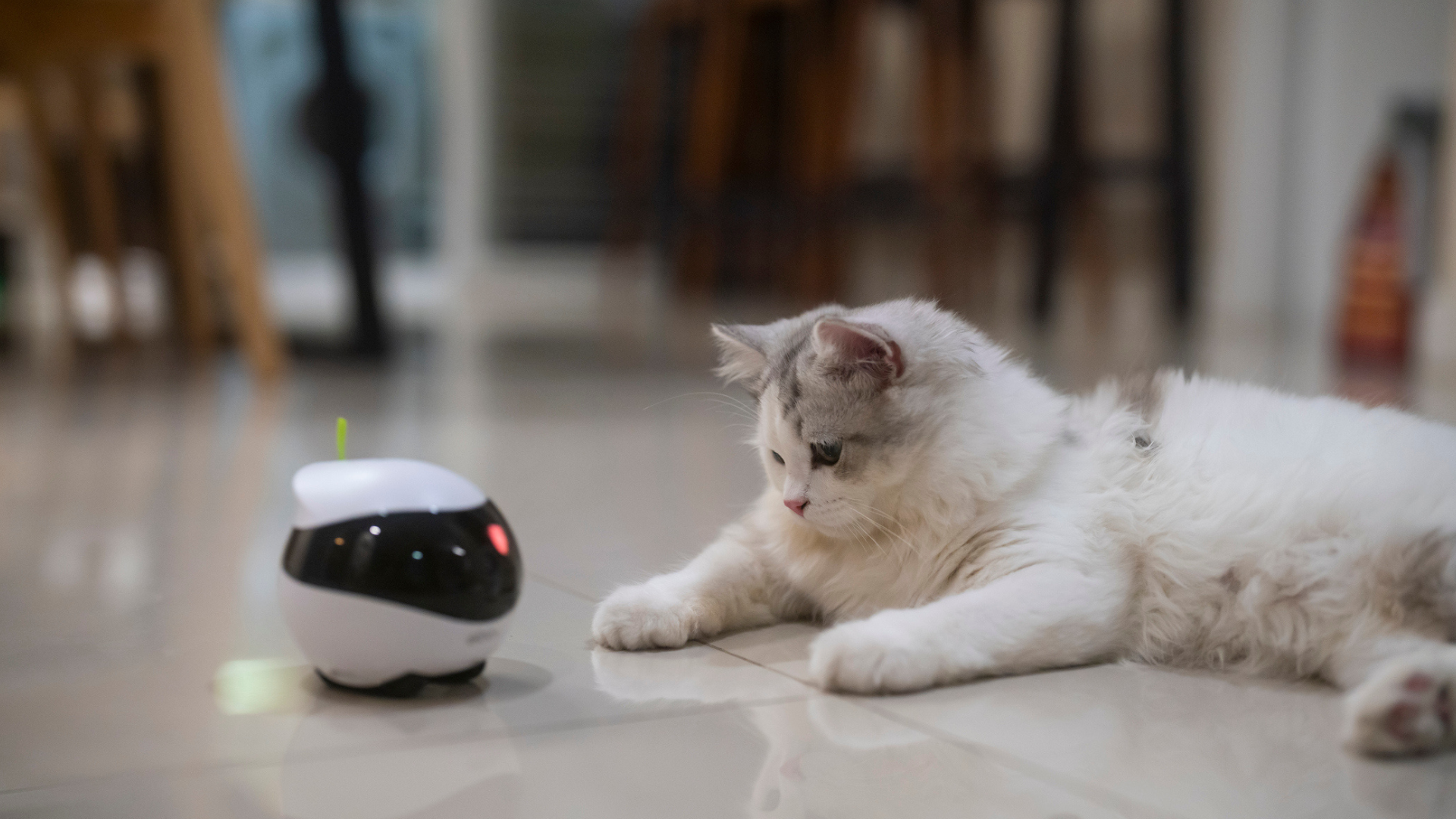
Why Indoor Cats Need Mental Stimulation Indoor cats live safer lives than outdoor cats, but they often receive less natural stimulation. Without enough mental and physical activity, intelligent cats may become bored, stressed, overweight, or destructive. Wild cats spend much of their time hunting, climbing, exploring, and solving problems. Indoor environments should provide opportunities that
-
Signs Your Cat Loves You
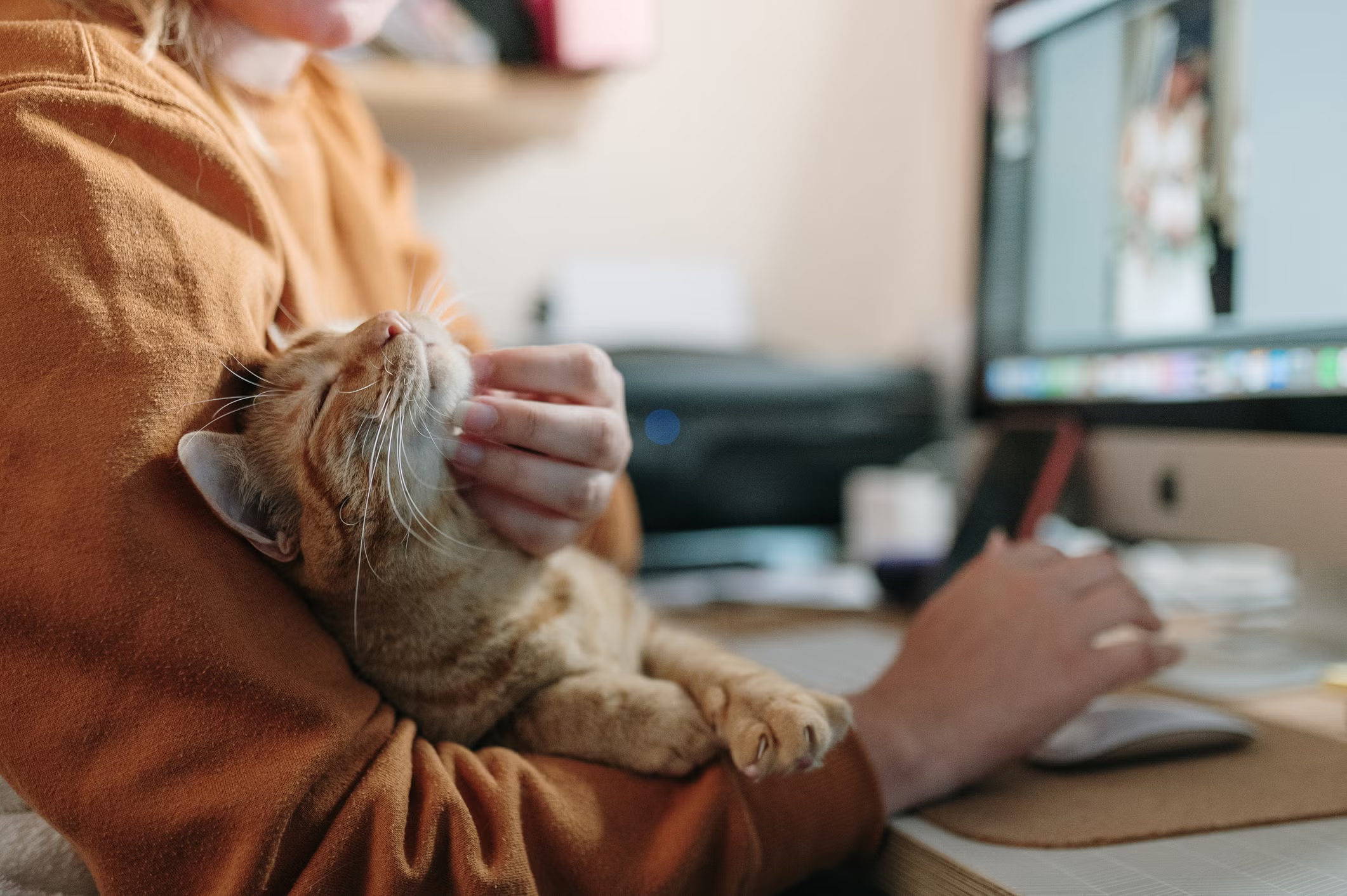
Slow Blinking Means Trust Slow blinking is one of the clearest signs of affection in cats. When a cat looks at its owner and slowly closes its eyes, it usually means the cat feels safe and comfortable. Cats naturally protect themselves by staying alert, so closing their eyes around someone shows trust. Many cat owners
-
Why Does My Cat Meow at Night?
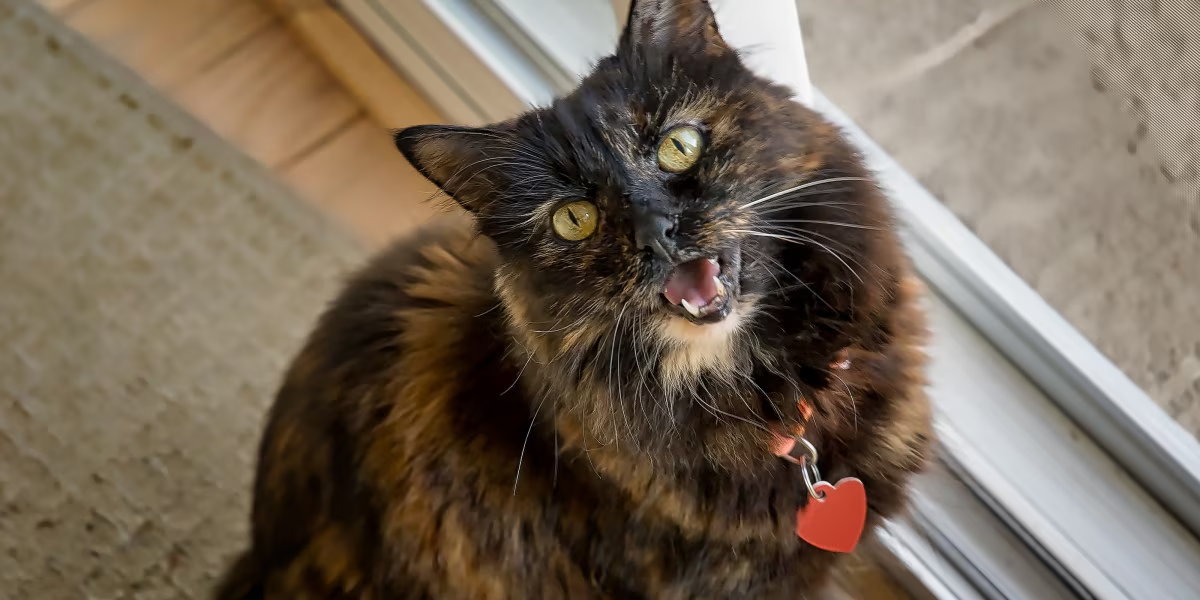
Cats Are Naturally More Active at Night Cats are crepuscular animals, meaning they are naturally most active during dawn and dusk. This instinct comes from their wild ancestors that hunted small prey during low-light hours. Because of this natural behavior, many domestic cats become energetic late at night while their owners are trying to sleep.