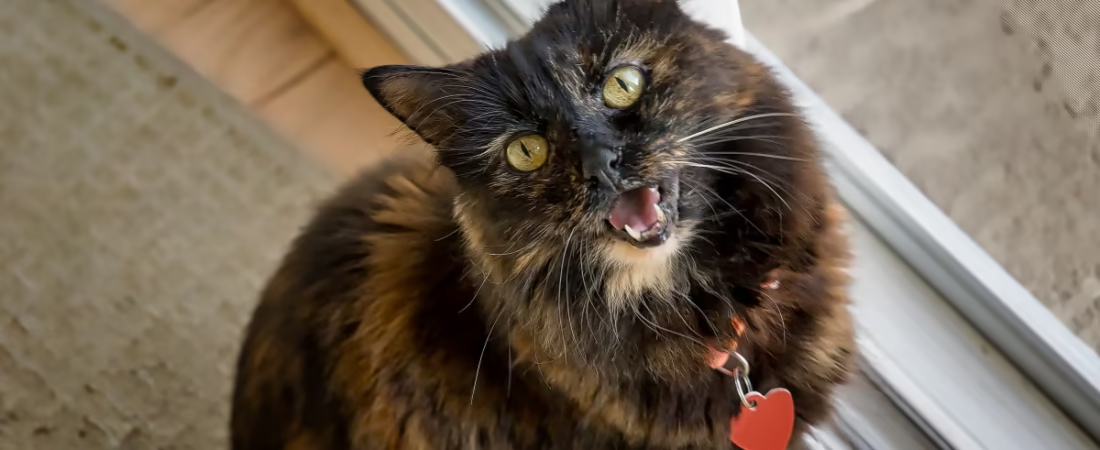
Cats Are Naturally More Active at Night
Cats are crepuscular animals, meaning they are naturally most active during dawn and dusk. This instinct comes from their wild ancestors that hunted small prey during low-light hours.
Because of this natural behavior, many domestic cats become energetic late at night while their owners are trying to sleep.
Running through the house, jumping on furniture, and loud nighttime meowing are common signs of nighttime activity.
Indoor cats especially may release stored energy during the evening because they spend much of the day resting.
Understanding a cat’s natural activity cycle helps explain why nighttime vocalization happens so frequently.
Your Cat May Be Hungry
Hunger is one of the most common reasons cats meow during the night.
Cats quickly learn feeding schedules and may wake owners when expecting food.
Some cats begin vocalizing early in the morning if breakfast routines are inconsistent.
Cats that receive small meals during the day may also become hungry overnight.
Automatic feeders can help manage nighttime hunger by providing scheduled meals without requiring owners to wake up.
Feeding a balanced meal before bedtime may also reduce nighttime meowing.
Boredom and Lack of Exercise
Indoor cats often meow at night because they have excess energy.
Without enough physical and mental stimulation during the day, cats may seek entertainment while owners are sleeping.
Cats that spend long hours alone frequently become more active during nighttime.
Interactive play sessions before bed help burn energy and encourage better sleep patterns.
Feather wands, laser toys, climbing towers, and puzzle feeders are useful for reducing boredom.
A tired cat is generally quieter and calmer overnight.
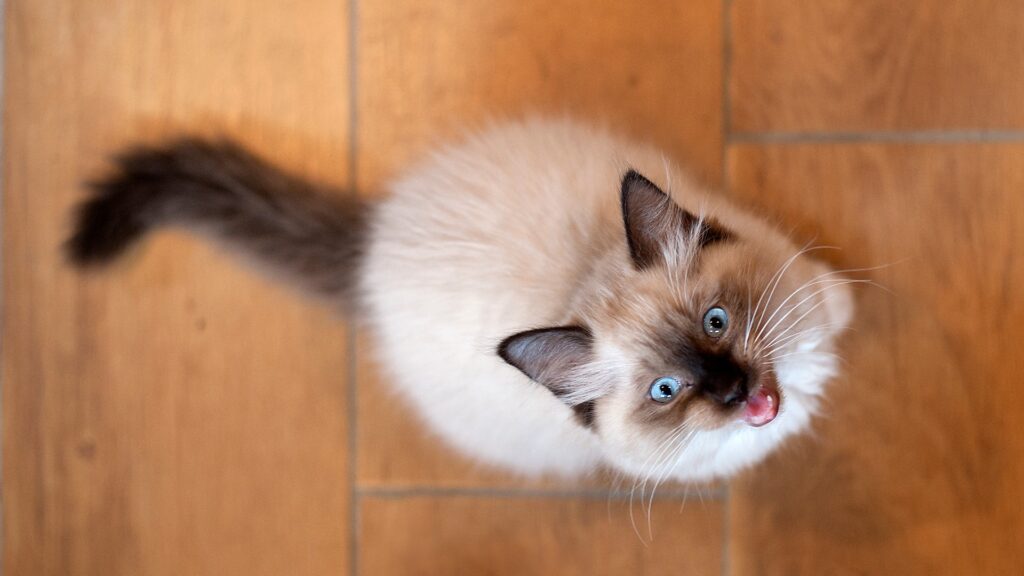
Attention-Seeking Behavior
Some cats learn that nighttime meowing successfully gets attention.
If owners respond by talking, feeding, or petting the cat, the behavior may become reinforced.
Cats are intelligent and quickly repeat behaviors that produce rewards.
Even negative attention such as yelling may still encourage vocal cats because they receive interaction.
Ignoring attention-seeking meowing consistently is often necessary to break the habit.
However, medical causes should always be ruled out first.
Stress and Anxiety
Anxious cats sometimes vocalize excessively during nighttime.
Changes in environment, new pets, moving homes, unfamiliar visitors, or disrupted routines can trigger stress.
Cats often feel more vulnerable at night because the environment becomes quieter and darker.
Providing predictable routines and safe hiding spaces helps anxious cats feel more secure.
Calming pheromone diffusers may also reduce nighttime anxiety.
Some cats feel comforted by sleeping near their owners.
Medical Problems Can Cause Nighttime Meowing
Sudden or excessive nighttime vocalization may indicate health issues.
Pain, discomfort, hyperthyroidism, high blood pressure, cognitive decline, and hearing loss can increase vocal behavior.
Older cats especially may experience confusion at night due to age-related cognitive dysfunction.
Cats suffering from vision or hearing problems may become disoriented in darkness.
If nighttime meowing appears suddenly or accompanies appetite changes, weight loss, vomiting, or unusual behavior, veterinary evaluation is important.
Senior Cats and Night Vocalization
Senior cats commonly develop increased nighttime meowing.
Cognitive dysfunction syndrome in elderly cats resembles dementia in humans.
Affected cats may wander, appear confused, forget routines, or vocalize loudly during the night.
Providing nightlights can help older cats navigate more comfortably.
Consistent routines and accessible litter boxes, food, and water stations also improve comfort.
Veterinarians may recommend supplements or medications to help manage cognitive symptoms.
Cats in Heat Often Meow Loudly
Female cats in heat frequently vocalize intensely at night.
The loud calling behavior is designed to attract male cats.
Unspayed female cats may roll, become restless, and display increased affection alongside nighttime meowing.
Male cats may also vocalize when sensing nearby females in heat.
Spaying and neutering greatly reduce hormone-related nighttime vocalization.
Territorial and Outdoor Triggers
Cats may meow after seeing outdoor animals through windows.
Neighborhood cats, wildlife, or unusual nighttime noises can trigger territorial or hunting instincts.
Some indoor cats become frustrated when observing outdoor activity they cannot reach.
Closing curtains or limiting visual access at night may reduce stimulation.
Window perches and daytime enrichment can also help satisfy natural curiosity.
How to Reduce Nighttime Meowing
Creating a consistent routine is one of the most effective solutions.
Cats respond well to predictable schedules for feeding, playtime, and sleep.
Interactive play sessions before bedtime help reduce energy.
Feeding a meal after evening play often encourages cats to relax and sleep.
Ignoring attention-seeking vocalization consistently prevents reinforcement.
Providing enrichment such as puzzle toys and climbing spaces helps reduce boredom.
Importance of Mental Stimulation
Mentally stimulated cats are less likely to become disruptive overnight.
Puzzle feeders encourage problem-solving and hunting-like behavior.
Rotating toys regularly keeps indoor cats interested.
Climbing shelves, tunnels, and scratching posts provide exercise opportunities.
Watching birds through windows or cat-safe outdoor enclosures can also provide enrichment.
Common Mistakes Owners Make
Many owners accidentally reward nighttime meowing by feeding or interacting with the cat immediately.
Inconsistent routines can also worsen vocal behavior.
Ignoring daytime exercise needs often results in nighttime hyperactivity.
Punishing cats for meowing may increase anxiety and confusion.
Understanding the underlying cause is essential before trying corrective strategies.
Benefits of Healthy Nighttime Routines
Cats with stable routines often sleep more peacefully overnight.
Regular exercise improves both physical and mental health.
Owners also benefit from improved sleep quality and reduced stress.
Consistent schedules strengthen trust and communication between cats and owners.
Healthy nighttime habits create calmer household environments overall.
FAQ
Why does my cat cry at night suddenly?
Sudden nighttime vocalization may indicate stress, illness, pain, or environmental changes.
Should I ignore my cat meowing at night?
If medical problems are ruled out, ignoring attention-seeking meowing consistently can help reduce the behavior.
Do older cats meow more at night?
Yes, senior cats may vocalize more because of confusion, hearing loss, or cognitive decline.
Can hunger cause nighttime meowing?
Yes, hungry cats commonly wake owners for food during the night or early morning.
How can I calm my cat at night?
Evening play sessions, consistent feeding schedules, and environmental enrichment can help calm nighttime activity.
Conclusion
Nighttime meowing in cats can result from natural instincts, hunger, boredom, stress, medical conditions, or attention-seeking behavior. Identifying the underlying cause is essential for finding effective solutions. Through proper enrichment, consistent routines, regular veterinary care, and patience, most owners can successfully reduce excessive nighttime vocalization and create more peaceful nights for both themselves and their cats.