Understanding Natural Hunting Instincts
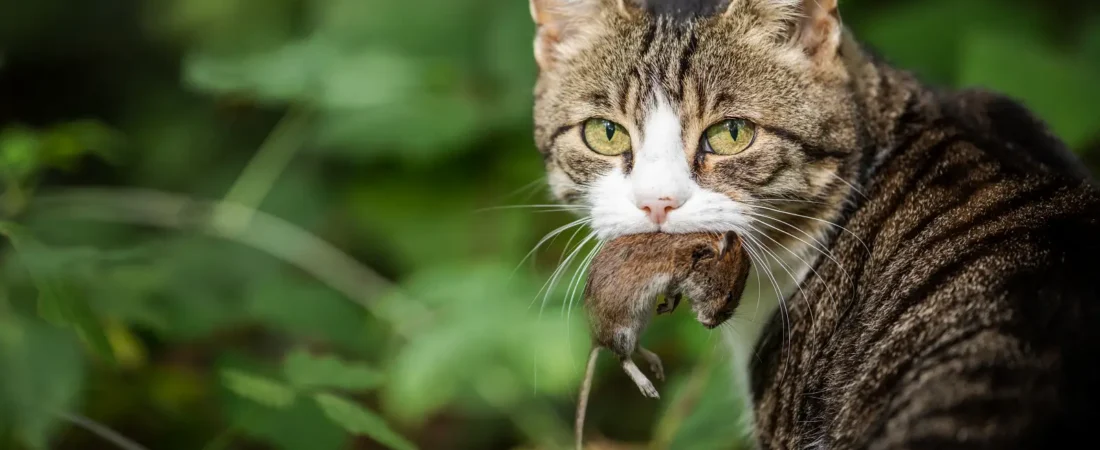
Cats are natural predators with strong hunting instincts inherited from their wild ancestors.
Even well-fed domestic cats often continue hunting because the behavior is instinctive rather than driven only by hunger.
Birds, mice, insects, and small reptiles commonly trigger a cat’s prey drive.
Outdoor cats especially spend time stalking, chasing, and capturing moving animals.
When cats bring dead animals home, they are usually expressing deeply rooted natural behaviors rather than acting aggressively toward their owners.
Understanding this instinct helps explain why affectionate household cats may still hunt regularly.
Cats Hunt Even When They Are Not Hungry
Many owners feel confused when a well-fed cat hunts successfully.
Unlike humans, cats do not hunt solely because of starvation.
The act of stalking and capturing prey provides mental stimulation and satisfies instinctive urges.
Movement itself strongly activates a cat’s hunting response.
This is why indoor cats may chase toys, laser pointers, and insects despite having full food bowls.
Outdoor cats simply have access to real prey opportunities.
Bringing Prey Home as a Safe Behavior
Wild mother cats often carry prey back to secure areas.
Domestic cats may view the home as their safest territory.
Bringing captured animals indoors may simply reflect the instinct to transport prey to a protected location.
Cats usually feel safest in familiar environments surrounded by trusted humans and familiar scents.
Some cats prefer eating prey privately indoors rather than outside where competition or danger may exist.
Motherly Teaching Instincts
Female cats naturally teach kittens hunting skills.
Mother cats often bring injured or dead prey to kittens so they can practice hunting behaviors safely.
Even spayed female cats without kittens may retain this instinct.
Some experts believe cats may view humans as inexperienced hunters and attempt to “teach” them by delivering prey.
Although humans clearly do not need hunting lessons, the instinctive behavior remains strong.
This theory may explain why some affectionate cats proudly present prey to their owners.
Cats May See Humans as Family
Cats form social bonds with people and often consider their owners part of their trusted group.
Sharing prey may function as a form of resource sharing within the social unit.
Some cats display excited or vocal behavior when presenting captured animals.
From the cat’s perspective, the behavior may be positive or even generous.
Although humans usually dislike receiving dead animals, cats do not understand the emotional reaction.
Hunting Helps Cats Release Energy
Cats require physical and mental stimulation.
Outdoor hunting provides exercise, excitement, and problem-solving opportunities.
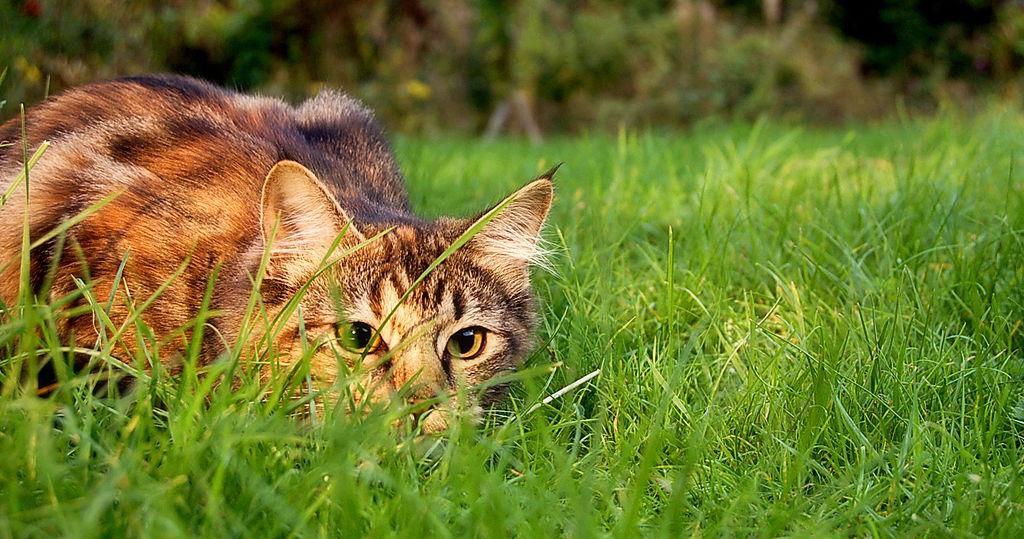
Stalking prey involves intense focus, patience, coordination, and quick reflexes.
Indoor cats lacking stimulation may attempt to satisfy these instincts through toys and interactive play instead.
Highly active breeds often show especially strong prey drive behaviors.
Why Some Cats Hunt More Than Others
Not all cats hunt equally.
Personality, breed traits, age, environment, and early experiences all influence hunting behavior.
Young energetic cats often hunt more frequently than senior cats.
Certain breeds such as Bengals, Maine Coons, and Siamese cats may display stronger prey instincts.
Cats raised indoors from kittenhood may hunt less successfully than experienced outdoor cats.
However, even playful indoor cats commonly display hunting behaviors toward insects or toys.
Do Cats Eat the Animals They Catch?
Some cats eat prey completely, while others simply play with or present captured animals.
The behavior depends on individual personality and hunting motivation.
Cats that are highly stimulated by movement may lose interest after capture.
Others may chew or partially consume prey.
Owners should monitor outdoor cats carefully because wild animals can carry parasites and diseases.
Risks of Outdoor Hunting
Outdoor hunting carries several risks for both cats and wildlife.
Cats may become injured during fights with prey or encounter dangerous animals.
Wild prey can carry fleas, parasites, or infections.
Traffic accidents and poisoning risks also increase outdoors.
Additionally, free-roaming cats may significantly impact local bird and small animal populations.
Many veterinarians recommend supervised outdoor access or enclosed cat patios instead of unrestricted roaming.
How to Reduce Hunting Behavior
Completely eliminating hunting instincts is impossible because the behavior is natural.
However, owners can reduce hunting opportunities and satisfy instincts safely indoors.
Interactive play sessions help mimic hunting sequences.
Feather wands, moving toys, and puzzle feeders provide mental stimulation.
Keeping cats indoors greatly reduces wildlife hunting.
Window perches and climbing structures also enrich indoor environments.
Bell Collars and Hunting Prevention
Some owners place bells on collars to warn prey animals.
Bell collars may reduce hunting success slightly, especially with birds.
However, highly skilled cats sometimes learn to move quietly even while wearing bells.
Breakaway safety collars are important to prevent accidents.
Collars should fit comfortably without restricting movement.
Importance of Interactive Play
Indoor play is essential for cats with strong prey drive.
Structured play sessions allow cats to stalk, chase, pounce, and “capture” toys safely.
Regular activity reduces boredom and frustration.
Interactive play also strengthens the bond between cats and owners.
Ending play sessions with treats or toys provides satisfying completion of the hunting cycle.
Should Owners Punish Cats for Bringing Prey?
Punishment is not recommended.
Cats do not understand that humans dislike dead animals.
The behavior is instinctive and often emotionally neutral or positive from the cat’s perspective.
Yelling or punishing may create fear without stopping hunting behavior.
Calmly removing the prey and focusing on prevention strategies is more effective.
Benefits of Indoor Living for Cats
Indoor cats generally live longer and safer lives.
Keeping cats indoors reduces hunting behavior, disease exposure, injuries, and wildlife impact.
Indoor enrichment is essential to maintain emotional wellbeing.
Many cats adapt extremely well to indoor lifestyles when given climbing spaces, toys, and regular interaction.
Safe outdoor enclosures can also provide stimulation without full roaming access.
Common Misunderstandings About Hunting Cats
Some people assume hunting means cats are unhappy or starving.
In reality, hunting is usually instinctive.
Affectionate and well-cared-for cats often continue hunting naturally.
Another misconception is that cats bring prey home to upset owners.
Cats do not associate the behavior with punishment or disgust.
Understanding feline instincts helps owners respond more calmly.
FAQ
Why does my cat leave dead animals at my door?
Cats may view the home as a safe territory or share prey instinctively with trusted humans.
Do cats hunt because they are hungry?
Not always. Hunting is largely instinctive and mentally stimulating.
Should I stop my cat from hunting?
Reducing outdoor access and increasing indoor enrichment are safer solutions.
Is it normal for cats to play with prey?
Yes, many cats continue stalking and batting prey after capture.
Can indoor cats still have hunting instincts?
Yes, indoor cats commonly express hunting behavior through toys and play.
Conclusion
Cats bring dead animals home because of natural hunting instincts, territorial behavior, and deeply rooted feline survival patterns. While the behavior may seem unpleasant to humans, it is usually normal from a cat’s perspective. Providing enrichment, interactive play, and safer indoor lifestyles helps satisfy hunting instincts while reducing risks to both cats and wildlife.