Why Indoor Cats Need Mental Stimulation
Indoor cats live safer lives than outdoor cats, but they often receive less natural stimulation.
Without enough mental and physical activity, intelligent cats may become bored, stressed, overweight, or destructive.
Wild cats spend much of their time hunting, climbing, exploring, and solving problems. Indoor environments should provide opportunities that satisfy these natural instincts.
Interactive toys help prevent boredom while improving emotional and physical health.
Cats that stay mentally stimulated are usually calmer, healthier, and more confident.
Interactive Puzzle Feeders
Puzzle feeders are among the best toys for intelligent cats because they combine food rewards with problem-solving.
Instead of eating from a regular bowl, cats must figure out how to move pieces or retrieve treats.
Puzzle feeders encourage natural hunting behaviors and slow down fast eaters.
These toys also help reduce boredom during long hours alone.
Different difficulty levels keep cats challenged over time.
Food-motivated cats usually adapt quickly to puzzle toys.
Feather Wand Toys
Feather wand toys allow owners to interact directly with cats through movement and play.
The unpredictable motion mimics birds and prey animals, triggering hunting instincts.
Jumping, pouncing, chasing, and stalking during wand play provide excellent exercise.
Interactive play also strengthens the emotional bond between cats and owners.
Rotating feather attachments keeps the experience exciting.
Wand toys should always be stored safely after use to prevent chewing hazards.
Electronic Motion Toys
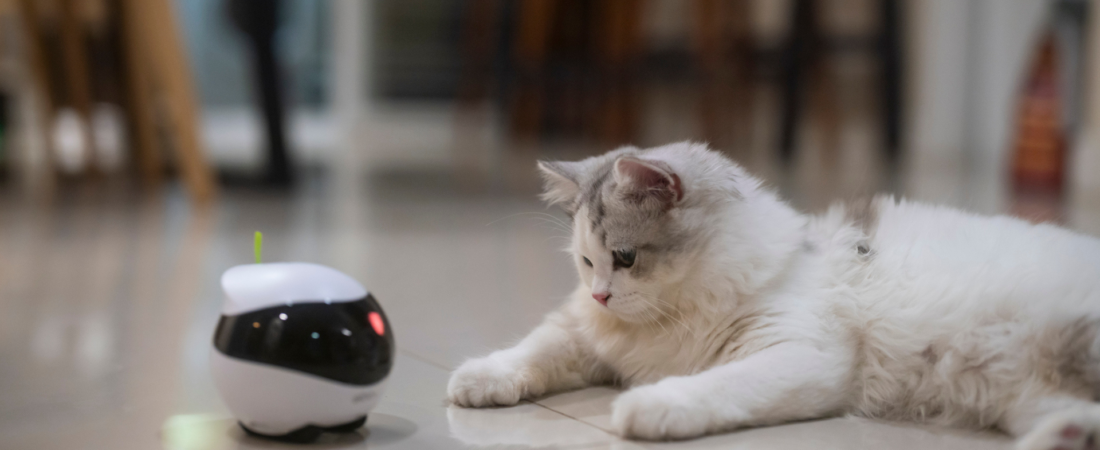
Battery-powered moving toys keep indoor cats entertained independently.
Some electronic toys move unpredictably, roll across floors, or hide under fabric to imitate prey movement.
These toys are especially useful for energetic cats that need activity while owners are busy.
Motion toys encourage chasing, pouncing, and curiosity.
Many intelligent cats enjoy toys that react differently each time.
Automatic shut-off features help conserve battery life.
Laser Toys
Laser pointers are extremely popular among indoor cats.
The fast-moving light stimulates chasing instincts and encourages intense physical activity.
Laser play can help overweight cats exercise more effectively.
However, laser sessions should end with a physical toy or treat so cats feel satisfied after the “hunt.”
Without a final reward, some cats may become frustrated.
Safe laser use also requires avoiding direct eye exposure.
Cat Tunnels
Cat tunnels provide hiding spaces, exploration opportunities, and playful ambush areas.
Many cats enjoy running through tunnels, hiding inside them, or pouncing unexpectedly from openings.
Collapsible tunnels are convenient for storage and easy to move around the home.
Some tunnel designs include hanging toys or crinkly textures for additional stimulation.
Combining tunnels with interactive toys creates more engaging play environments.
Smart App-Controlled Toys
Modern technology has introduced app-controlled cat toys that owners can operate remotely.
These toys allow interaction even while away from home.
Some systems include moving lasers, treat dispensers, cameras, or robotic movement patterns.
Remote interaction helps reduce loneliness and boredom in highly social indoor cats.
Smart toys are especially useful for owners with busy schedules.
Many intelligent cats quickly learn movement patterns and enjoy the challenge.
Ball Track Toys
Ball track toys contain rolling balls inside enclosed circular tracks.
Cats bat the balls repeatedly without losing them under furniture.
Multi-level track toys provide continuous movement and stimulation.
These toys are excellent for independent play and can entertain cats for long periods.
Ball track systems also encourage paw coordination and focus.
Catnip Toys
Catnip toys stimulate excitement and playful behavior in many adult cats.
Catnip contains natural compounds that trigger temporary energetic reactions.
Cats may roll, kick, chase, or rub against catnip-filled toys enthusiastically.
Not all cats respond to catnip because sensitivity is genetic.
For responsive cats, catnip toys can provide excellent enrichment.
Refreshing old catnip toys with fresh catnip spray often restores interest.
Climbing Trees and Shelves
Intelligent indoor cats enjoy vertical spaces for climbing and observation.
Large cat trees, wall shelves, and climbing towers provide physical exercise and mental stimulation.
Cats naturally prefer elevated areas because they feel safer and gain better views of their surroundings.
Multi-level climbing structures encourage exploration and activity.
Scratching surfaces attached to cat trees also support healthy claw maintenance.
Window Perches and Bird Watching
Window perches transform ordinary windows into entertainment centers for indoor cats.
Watching birds, insects, and outdoor movement provides mental stimulation similar to hunting observation.
Bird feeders outside windows can increase interest further.
Cats often spend hours observing outdoor activity from elevated resting spots.
Sunlight exposure near windows also creates warm and relaxing resting areas.
Rotating Toys Keeps Cats Interested
Cats often lose interest in toys that remain available constantly.
Rotating toys every few days helps maintain excitement and curiosity.
Storing unused toys temporarily creates novelty when they return.
Different toy types satisfy different instincts including hunting, climbing, chasing, and chewing.
Combining several enrichment options creates a more stimulating environment.
Benefits of Interactive Play
Interactive play improves physical fitness and reduces obesity risk.
Play sessions help relieve stress and anxiety.
Mentally stimulated cats often display fewer behavioral problems such as scratching furniture or nighttime meowing.
Regular play strengthens trust and communication between cats and owners.
Exercise also supports healthy joints and muscle development.
Choosing Toys Based on Personality
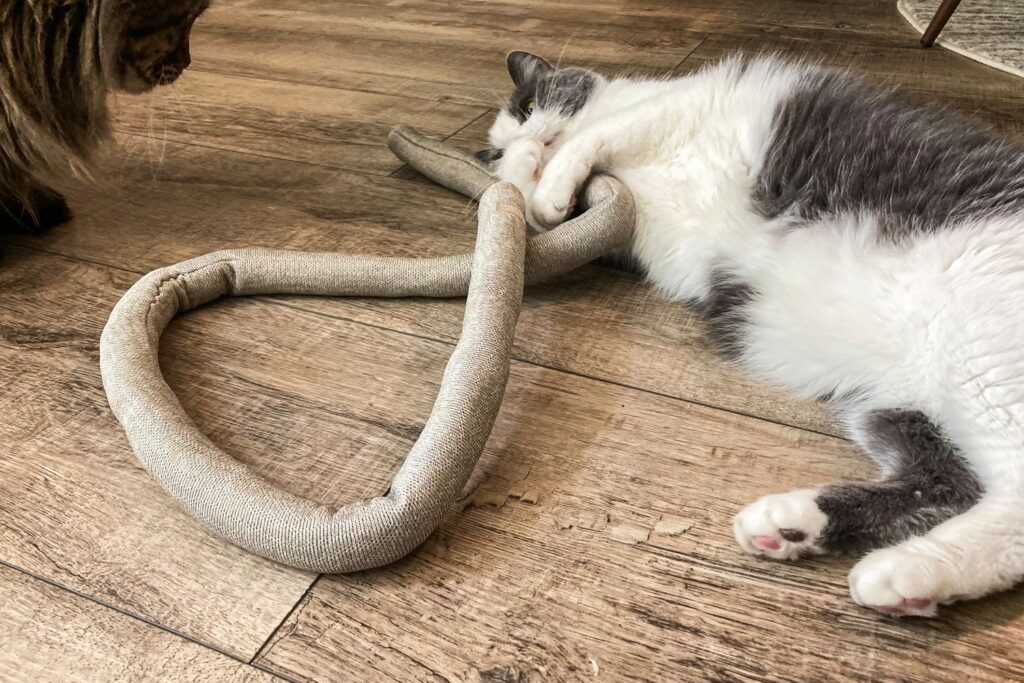
Different cats prefer different types of toys.
Highly active cats often enjoy chasing and climbing activities.
Curious cats may prefer puzzle feeders and exploration toys.
Shy cats sometimes prefer tunnels and hiding spaces.
Observing a cat’s natural behavior helps owners choose the most effective enrichment options.
Safety Tips for Cat Toys
Toys should always be large enough to avoid swallowing hazards.
Loose strings, ribbons, and small detachable pieces may become dangerous if ingested.
Damaged toys should be replaced immediately.
Supervision is recommended for toys with cords or feathers.
Safe materials and durable construction are important when selecting products.
Common Mistakes Owners Make
Some owners rely only on independent toys without interactive play.
Ignoring a cat’s individual preferences may reduce engagement.
Leaving all toys available constantly can decrease excitement.
Insufficient climbing opportunities may also limit stimulation.
Mental enrichment should remain part of daily indoor cat care.
FAQ
What toys do intelligent cats like most?
Puzzle feeders, wand toys, climbing structures, and motion toys are highly popular among intelligent cats.
Are laser pointers safe for cats?
Yes, when used responsibly and followed by a physical reward or toy.
How often should I play with my indoor cat?
Most indoor cats benefit from at least two daily play sessions.
Why does my cat get bored quickly with toys?
Cats lose interest when toys remain unchanged for long periods. Rotating toys helps maintain excitement.
Do indoor cats really need toys?
Yes, toys provide essential mental stimulation, exercise, and stress relief for indoor cats.
Conclusion
Interactive toys and enrichment activities are essential for keeping intelligent indoor cats healthy, active, and emotionally satisfied. Puzzle feeders, climbing structures, motion toys, and interactive play sessions help satisfy natural hunting and exploration instincts. Providing varied stimulation creates happier cats while reducing boredom-related behavioral problems inside the home.