What Makes Cats Universally Cute
Cat cuteness is not just a subjective feeling; it is deeply rooted in biology and psychology. Humans across cultures tend to perceive cats as cute due to a combination of facial structure, behavior, and evolutionary triggers.
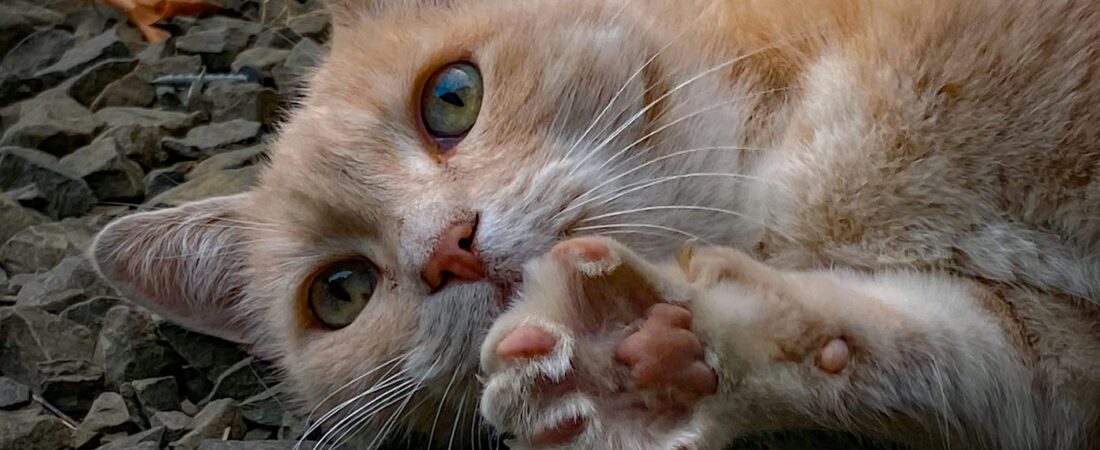
Large eyes, round faces, soft fur, and small noses all contribute to what scientists call “baby schema” or infantile features. These features naturally trigger caregiving responses in humans.
Cats also display behaviors such as playful curiosity, clumsy movements, and affectionate gestures that further enhance their perceived cuteness.
The Baby Schema Effect
The baby schema theory explains why humans find certain features universally adorable.
Infants naturally have large eyes, round heads, and small facial features. Cats share many of these traits, especially breeds with round faces and large eyes.
When humans see these features, the brain activates nurturing and protective responses.
This response is automatic and evolutionary, designed to encourage care for vulnerable beings.
Cats unintentionally exploit this system through their appearance and behavior.
Facial Features That Increase Cuteness
A cat’s face plays a major role in perceived cuteness.
Large, forward-facing eyes create a sense of innocence and emotional expression.
Small noses and short muzzles contribute to a soft and harmless appearance.
Rounded cheeks and fluffy fur enhance the perception of softness.
Even subtle facial expressions such as blinking or slight head tilts increase emotional appeal.
Body Language and Cute Behavior
Cats use body language that humans often interpret as cute or endearing.
Slow blinking is seen as affectionate and trusting behavior.
Playful rolling on the ground signals comfort and relaxation.
Tiny stretching movements and clumsy jumps are perceived as adorable rather than inefficient.
When cats knead soft surfaces, humans often associate it with comfort and innocence.
The Role of Playfulness
Play behavior is one of the strongest contributors to cat cuteness.
Kittens chasing objects, pouncing on toys, or missing jumps create a sense of harmless fun.
Even adult cats retain playful instincts, which humans interpret as charming and entertaining.
Play behavior mimics hunting but in a harmless, socially acceptable form.
This blend of instinct and innocence increases emotional appeal.
Vocal Cuteness in Cats
Cat sounds also contribute to their perceived cuteness.
Soft meows, chirps, and trills are often interpreted as gentle communication.
Higher-pitched vocalizations tend to trigger nurturing responses in humans.
Cats often adjust their vocal tone when interacting with humans compared to other cats.
This adaptive communication strengthens emotional bonding.
Evolutionary Reasons Humans Love Cats
Humans did not evolve with cats as primary companions, but cohabitation over thousands of years has shaped emotional responses.
Cats likely benefited from human association by becoming less fearful and more social.
Humans, in turn, developed emotional attachment due to the calming and companionable nature of cats.
The mutual relationship reinforced traits that humans now perceive as cute or comforting.
The Role of Fur and Texture
Soft fur significantly enhances perceived cuteness.
Fluffy coats create a visual and tactile sense of warmth and comfort.
Long-haired breeds like Persians and Ragdolls are often rated as especially cute due to their soft appearance.
Even short-haired cats appear soft due to smooth coat textures and grooming behavior.
Humans are naturally drawn to soft textures, reinforcing positive emotional responses.
Movement and Cuteness Perception
Cat movement patterns strongly influence cuteness perception.
Sudden playful jumps, small runs, and awkward landings are perceived as adorable rather than inefficient.
Slow, relaxed stretching and curling behaviors also enhance emotional appeal.
Cats often alternate between sudden bursts of energy and long periods of rest, creating a dynamic contrast that humans find engaging.
Why Kittens Are Especially Cute
Kittens represent the peak of baby schema features.
Their heads are proportionally larger, eyes are wider, and movements are less coordinated.
This combination creates maximum activation of human caregiving instincts.
Kittens also display high levels of curiosity and play, increasing emotional attachment.
Their vulnerability and dependence further amplify perceived cuteness.
The Role of Facial Expressions
Although cats have limited facial muscle movement compared to humans, subtle expressions still matter.
Slight eyebrow movement, ear positioning, and eye shape changes communicate emotion.
Humans often anthropomorphize these expressions, assigning human-like emotions to cats.
This interpretation increases emotional bonding and cuteness perception.
Grooming Behavior and Cuteness
Self-grooming is often seen as a cute and calming behavior.
Cats meticulously clean themselves, which humans interpret as self-care and innocence.
Mutual grooming between cats or grooming of humans strengthens social bonding.
This behavior reinforces the perception of cats as clean, gentle creatures.
Sleeping Positions and Adorable Behavior
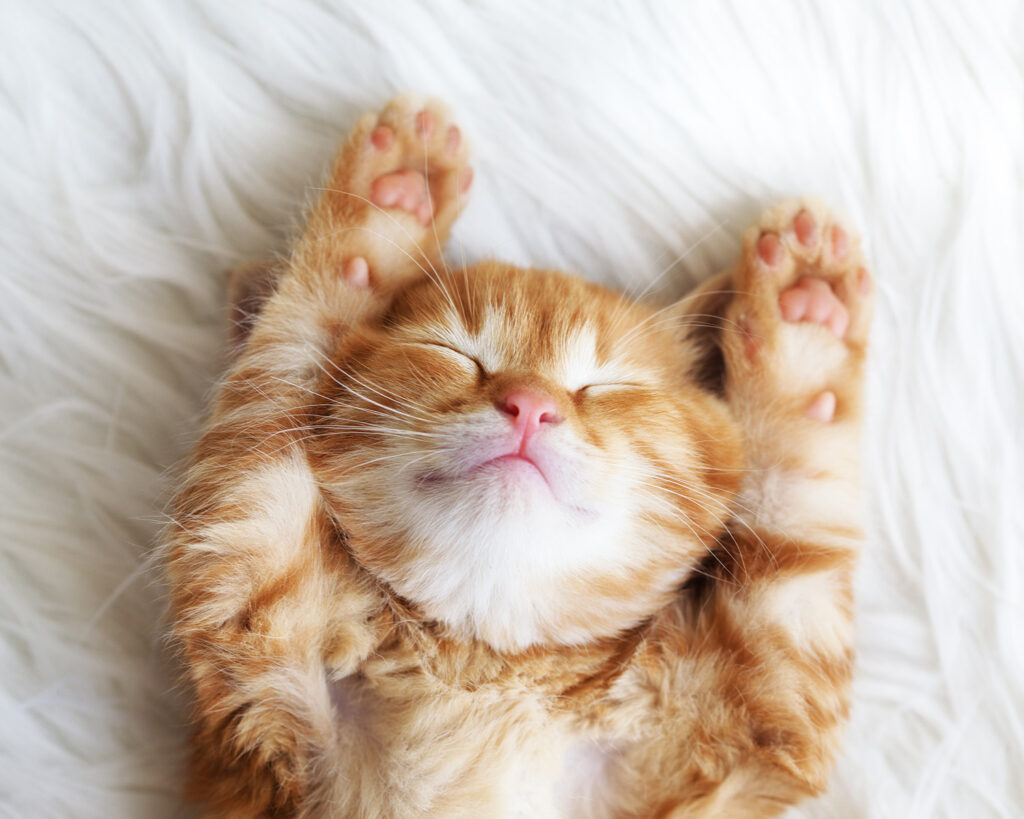
Sleeping cats are often perceived as extremely cute.
Curled-up sleeping positions resemble protective and safe postures.
Cats sleeping in unusual positions, such as upside down or stretched out, create humor and affection responses.
Sleeping near humans increases emotional bonding and perceived trust.
The Psychology of Human Response to Cat Cuteness
When humans see cute cats, the brain releases dopamine and oxytocin.
These chemicals are associated with pleasure, bonding, and emotional warmth.
This neurological response explains why cat videos and images are highly popular online.
Cuteness creates emotional reward loops that encourage repeated interaction.
Cultural Influence on Cat Cuteness
Different cultures perceive cat cuteness in slightly different ways.
In many cultures, cats symbolize comfort, mystery, or good fortune.
Internet culture has amplified cat cuteness through memes, videos, and social media content.
This global exposure has strengthened the universal perception of cats as cute animals.
Why Some Cats Are Cuter Than Others
Cuteness varies depending on genetics, breed, and personality.
Round-faced breeds tend to be perceived as cuter due to stronger baby schema features.
Behavior also plays a major role; playful and affectionate cats are often considered more adorable.
Even within the same breed, individual personality differences affect cuteness perception.
Human Emotional Projection
Humans often project emotions onto cats, interpreting their behavior as happiness, sadness, or curiosity.
This anthropomorphism increases emotional connection and enhances perceived cuteness.
Cats do not necessarily experience emotions in human terms, but their behavior triggers familiar emotional responses in humans.
The Role of Bonding in Cuteness Perception
Cats that form strong bonds with humans are often perceived as cuter over time.
Familiarity increases emotional attachment, making even ordinary behaviors feel special.
Daily interaction strengthens this perception through repeated positive experiences.
FAQ
Why do humans find cats so cute?
Because cats display baby-like features and behaviors that trigger nurturing instincts.
Are kittens cuter than adult cats?
Generally yes, due to stronger baby schema characteristics.
Do cats know they are cute?
No, cuteness is a human perception, not a self-aware trait in cats.
Why do cat videos make people happy?
They trigger dopamine and oxytocin release in the brain.
Is cuteness linked to survival?
Yes, baby-like features evolved to trigger caregiving behavior.
Conclusion
Cat cuteness is a combination of biological features, evolutionary psychology, behavior, and human emotional response. From large eyes and soft fur to playful movements and affectionate behavior, cats naturally trigger nurturing instincts in humans. This powerful combination explains why cats are among the most universally loved animals in the world.