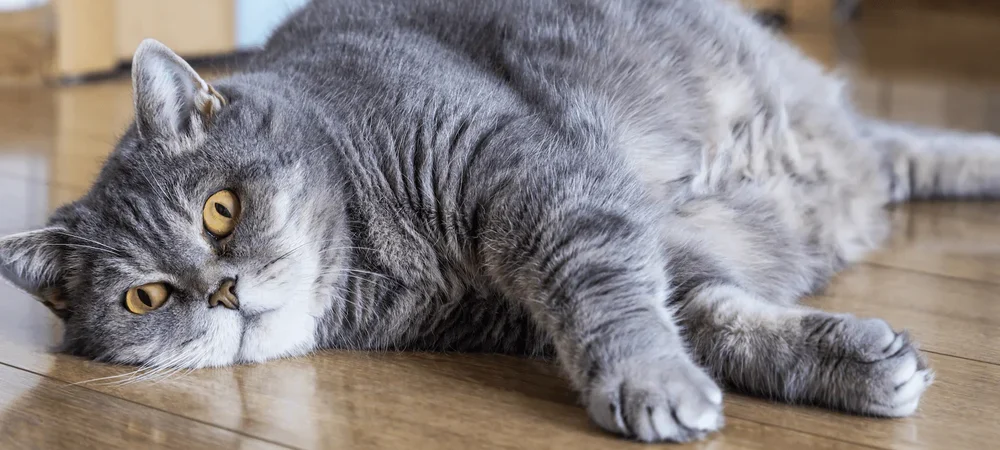
Understanding Why Indoor Cats Gain Weight
Indoor cat obesity is one of the most common health problems in modern feline populations. Unlike outdoor cats, indoor cats have limited space to roam, hunt, and exercise. At the same time, they often have constant access to high-calorie food.
This imbalance between energy intake and energy expenditure is the primary cause of weight gain.
Cats evolved as active hunters, designed to eat small prey multiple times a day while constantly moving. Indoor life removes this natural rhythm, replacing it with inactivity and frequent feeding.
Over time, even a small daily calorie surplus leads to significant fat accumulation.
Biological and Metabolic Factors
A cat’s metabolism is highly efficient, which is useful in the wild but problematic in indoor environments.
Cats store excess energy as fat very easily because their bodies are designed for survival in unpredictable food conditions.
Neutering or spaying can also reduce metabolic rate slightly, increasing the risk of weight gain if diet is not adjusted.
Age plays an important role as well. Middle-aged and senior cats are naturally less active, making them more prone to obesity.
Certain breeds, such as British Shorthairs and Ragdolls, may have a genetic tendency toward slower metabolism.
Health Risks of Obesity in Cats
Excess body weight is not just a cosmetic issue; it significantly affects feline health.
Obese cats are at higher risk of diabetes mellitus due to insulin resistance.
Joint stress increases, leading to arthritis and reduced mobility.
Fat accumulation around organs can impair liver function and contribute to hepatic lipidosis, a serious liver disease.
Breathing difficulties may also occur because excess fat restricts chest movement.
Obesity can reduce life expectancy and overall quality of life in cats.
How to Identify an Overweight Cat
A healthy cat should have a visible waist when viewed from above.
The ribs should be easily felt but not overly visible.
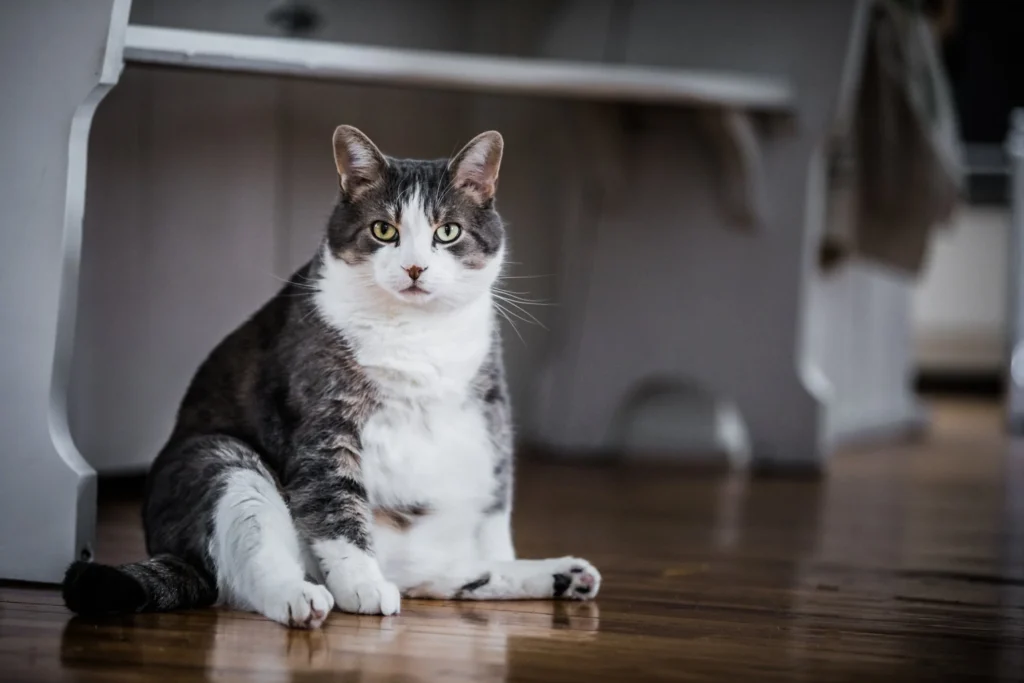
In overweight cats, the waist disappears and the abdomen becomes rounded.
Fat deposits may hang from the lower belly area, known as a “fat pad.”
Reduced grooming ability is another sign, as obese cats struggle to reach certain areas of their body.
A veterinarian body condition score is the most accurate method for assessment.
Common Feeding Mistakes
Free-feeding dry food throughout the day is one of the biggest contributors to obesity.
Owners often underestimate calorie intake from treats and snacks.
Feeding multiple family members without portion control can lead to accidental overfeeding.
Switching to low-quality, high-carbohydrate foods can also contribute to weight gain.
Inconsistent feeding schedules disrupt metabolic balance.
Science-Based Weight Loss Principles
Safe feline weight loss must always be gradual.
Rapid weight loss can lead to hepatic lipidosis, a dangerous condition where fat overwhelms the liver.
The ideal weight loss rate is typically slow and controlled over several weeks or months.
Caloric reduction should be carefully calculated based on ideal body weight, not current weight.
High-protein, moderate-fat, and controlled-carbohydrate diets are generally recommended.
Step 1: Veterinary Assessment
Before starting any weight loss plan, a veterinary check-up is essential.
Underlying medical conditions such as hypothyroidism, diabetes, or hormonal imbalance should be ruled out.
A veterinarian can also determine the ideal target weight for the cat.
Baseline measurements help track progress safely.
Step 2: Controlled Feeding Plan
Portion control is the foundation of weight loss.
Instead of free-feeding, cats should receive measured meals at fixed times.
Using a kitchen scale ensures accurate portion sizes.
Dividing daily food into 2–4 small meals can help reduce hunger stress.
Wet food is often preferred because it provides hydration and satiety with fewer calories.
Step 3: High-Protein Nutrition Strategy
Protein plays a key role in preserving muscle mass during weight loss.
Cats are obligate carnivores, meaning their bodies require animal-based protein.
Diets high in protein help maintain energy while reducing fat accumulation.
Fiber may also be included to improve satiety and digestion.
Avoid excessive carbohydrates, which can contribute to fat storage.
Step 4: Increasing Physical Activity
Exercise is essential for burning calories and improving metabolic health.
Indoor cats benefit from structured play sessions using wand toys, laser pointers, and chase games.
Short but frequent play sessions are more effective than long, rare sessions.
Climbing trees and vertical spaces encourage natural movement.
Interactive feeding toys can combine food intake with physical activity.
Step 5: Mental Stimulation for Weight Control
Mental engagement reduces boredom eating.
Puzzle feeders slow down eating and make meals more interactive.
Cats that are mentally stimulated are less likely to overeat out of boredom.
Rotating toys regularly keeps interest high and encourages movement.
Environmental enrichment plays a major role in long-term weight management.
Step 6: Monitoring Progress
Regular weight tracking is essential for safe results.
Weekly or bi-weekly weighing helps ensure steady progress.
Sudden drops or stagnation may require dietary adjustments.
Body condition scoring is more important than scale numbers alone.
Photos and measurements can help visualize improvement over time.
Hydration and Its Role in Weight Loss
Hydration is often overlooked in feline weight management.
Wet food diets naturally increase water intake.
Proper hydration supports metabolism and digestion.
Cats with adequate water intake often feel fuller and eat less overall.
Water fountains can encourage more frequent drinking.
Treat Management Strategy
Treats should be limited and accounted for in total calorie intake.
High-calorie treats can significantly slow weight loss progress.
Healthy alternatives such as freeze-dried meat can be used in moderation.
Treats should ideally be used as training rewards rather than free snacks.
Behavioral Challenges During Weight Loss
Some cats become more vocal or demanding during calorie reduction.
Begging behavior may increase temporarily as the cat adjusts.
Consistency is important; giving in to begging can reverse progress.
Slow dietary transitions help reduce stress.
Environmental enrichment can distract from food-focused behavior.
Special Considerations for Senior Cats
Older cats require extra caution during weight loss.
Muscle loss should be avoided, so protein intake remains critical.
Joint issues may limit exercise intensity.
Veterinary supervision is especially important for senior weight management.
Gradual adjustments are safer than aggressive calorie restriction.
Common Weight Loss Mistakes
Crash dieting is one of the most dangerous mistakes.
Ignoring treat calories can completely halt progress.
Lack of exercise reduces fat burning efficiency.
Inconsistent feeding routines create metabolic confusion.
Skipping veterinary guidance increases health risks.
Long-Term Maintenance Strategy
Once ideal weight is achieved, maintenance becomes the focus.
Calorie intake should be adjusted to prevent rebound weight gain.
Regular play and enrichment should continue permanently.
Routine weight checks help maintain stability.
Healthy habits must become part of daily life.
Benefits of Healthy Weight in Cats
Lean cats are more active, playful, and energetic.
Joint health improves significantly with reduced body stress.
Risk of diabetes and liver disease decreases.
Grooming becomes easier for the cat.
Overall lifespan and quality of life improve significantly.
FAQ
How fast should a cat lose weight?
Slow and steady weight loss over weeks or months is safest.
Can I put my cat on a diet by myself?
Veterinary guidance is strongly recommended before starting.
Is dry food bad for overweight cats?
Not always, but portion control and calorie density must be carefully managed.
How do I know my cat is losing weight safely?
Gradual weight reduction and stable energy levels indicate safe progress.
Can indoor play really help weight loss?
Yes, regular interactive play significantly increases calorie burn.
Conclusion
Indoor cat obesity is a growing health concern caused by inactivity and excess calorie intake. A science-based weight loss plan that includes controlled feeding, high-protein nutrition, regular exercise, and mental stimulation can safely restore a healthy body condition. With patience and consistency, most cats can achieve and maintain an ideal weight, leading to longer, healthier, and more active lives.