Latest posts
-
Cat Body Language Decoding Master Guide
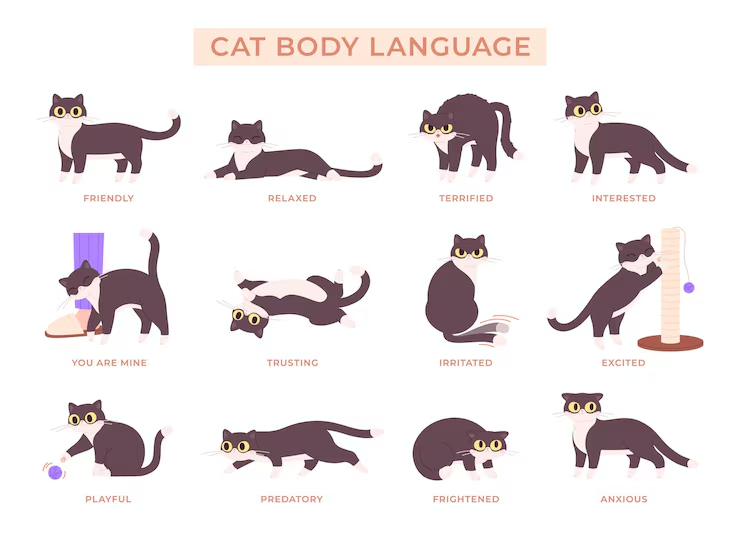
Understanding the Language of Cats Cat body language is a complex system of visual signals, postures, movements, and micro-expressions that cats use to communicate with other animals and humans. Unlike vocal communication, body language is continuous, subtle, and often context-dependent. Cats rely heavily on this silent communication system because in natural environments, silence is essential
-
Cat Trauma and Emotional Recovery System
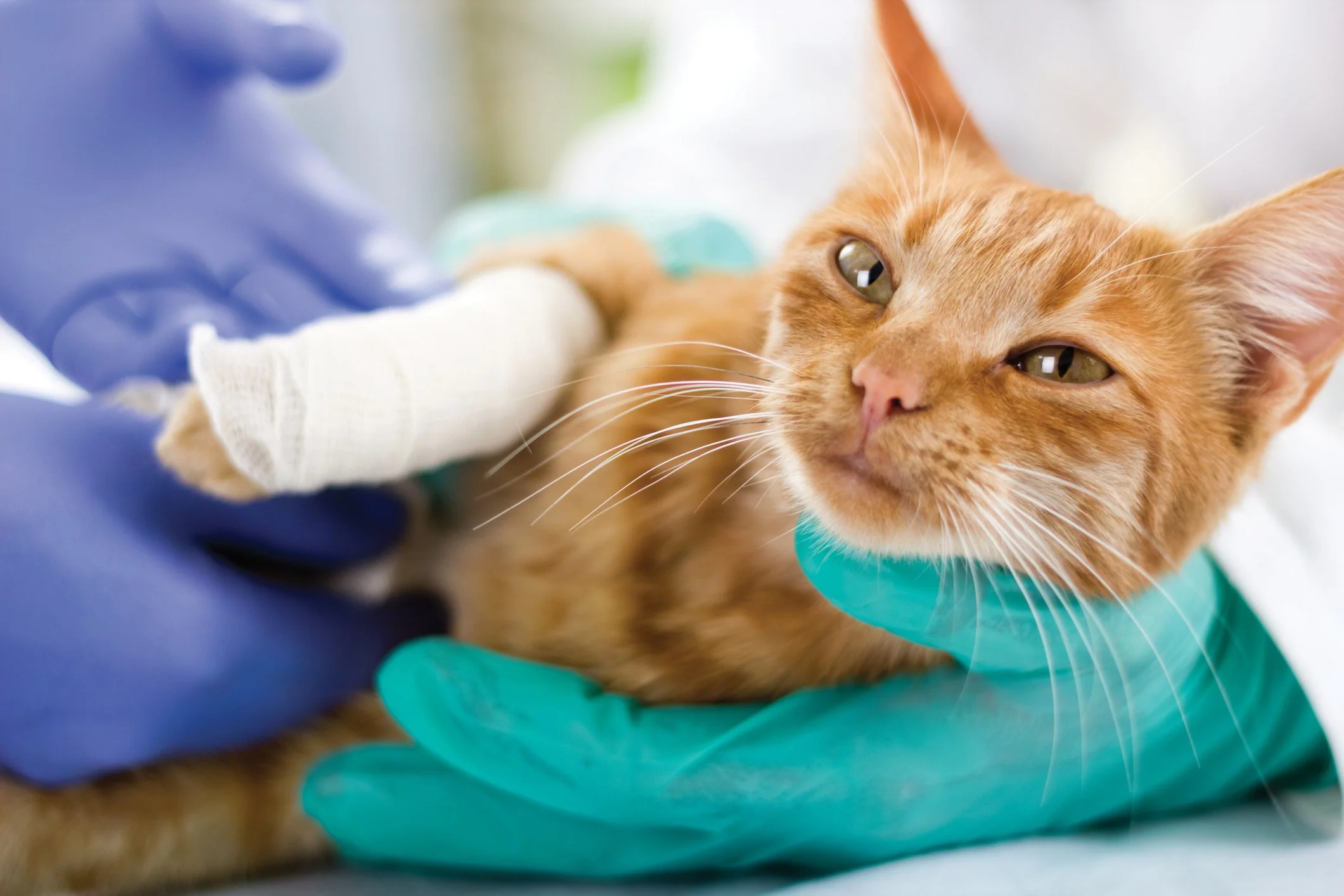
Understanding Trauma in Cats Cat trauma refers to a lasting behavioral and emotional response triggered by a highly stressful or frightening experience. Unlike temporary fear responses, trauma can alter a cat’s long-term behavior patterns, sensitivity levels, and trust toward humans or environments. Traumatic experiences may include abuse, abandonment, loud environmental events, attacks from other animals,
-
Indoor Cat Boredom Syndrome: Modern Behavioral Crisis in Domestic Cats
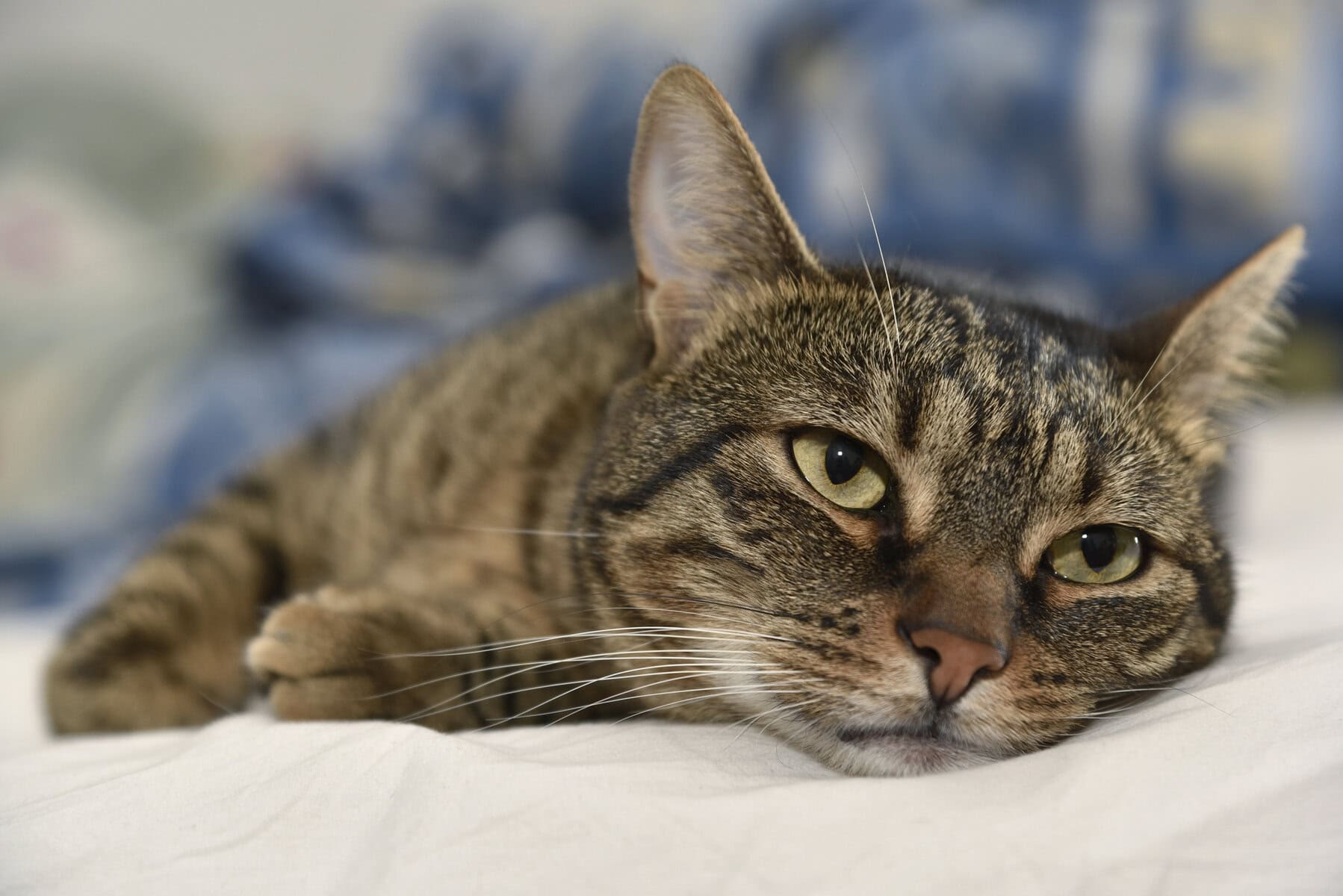
Understanding Indoor Cat Boredom Indoor cat boredom syndrome refers to a behavioral and psychological condition in domestic cats caused by prolonged lack of stimulation, limited environmental complexity, and repetitive daily routines. While cats are often adapted to indoor living, their natural instincts are still designed for exploration, hunting, and environmental problem-solving. When these instincts are
-
Cat Aggression Psychology: Causes, Triggers, and Behavioral Control
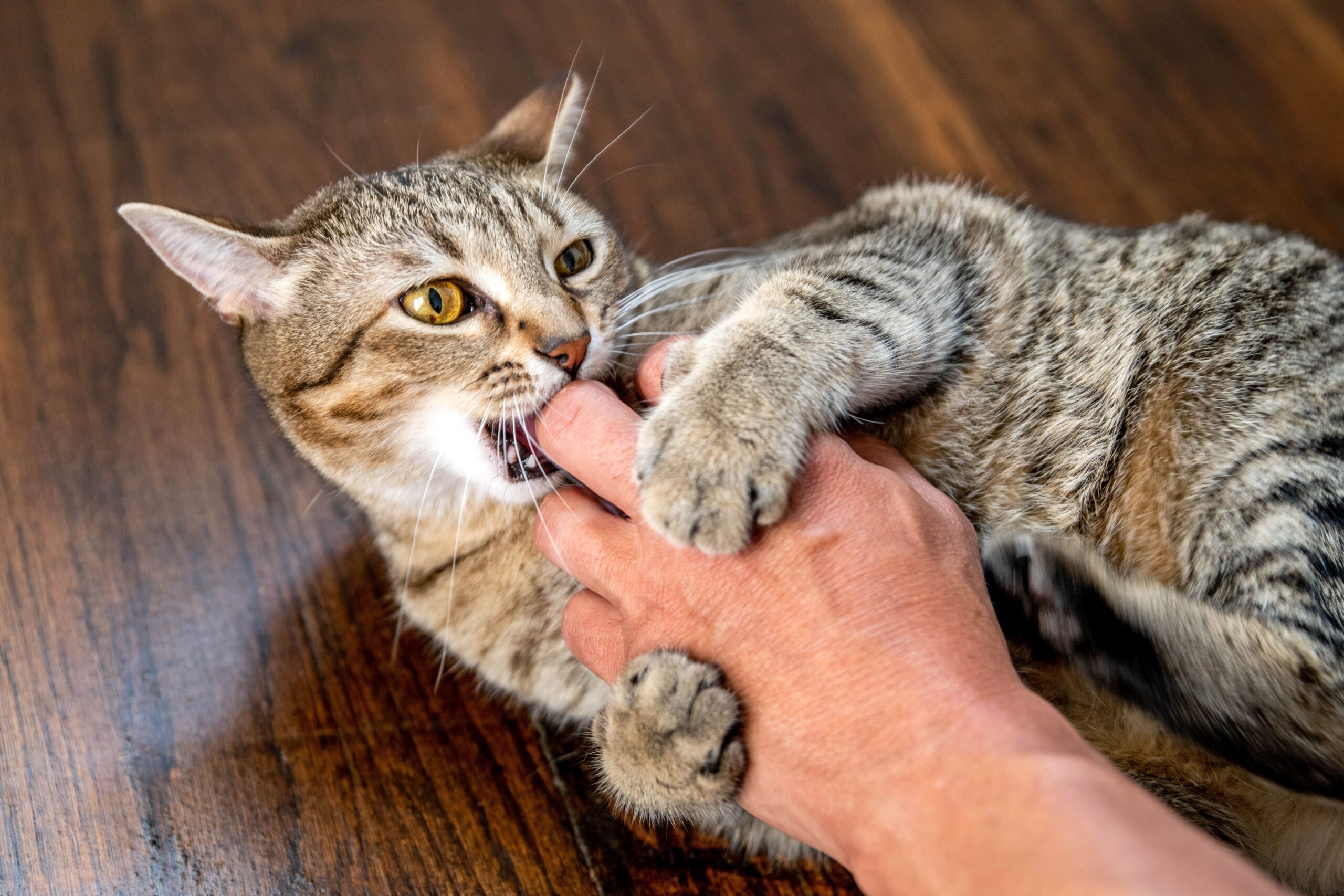
Understanding Aggression in Cats Cat aggression is not random violence; it is a structured behavioral response rooted in survival, fear, territory protection, and overstimulation. In feline psychology, aggression is a communication tool used when other signals fail. Most aggressive behavior in domestic cats is defensive rather than offensive. This means the cat is responding to
-
Cat Separation Anxiety: Psychology, Symptoms, and Treatment Science
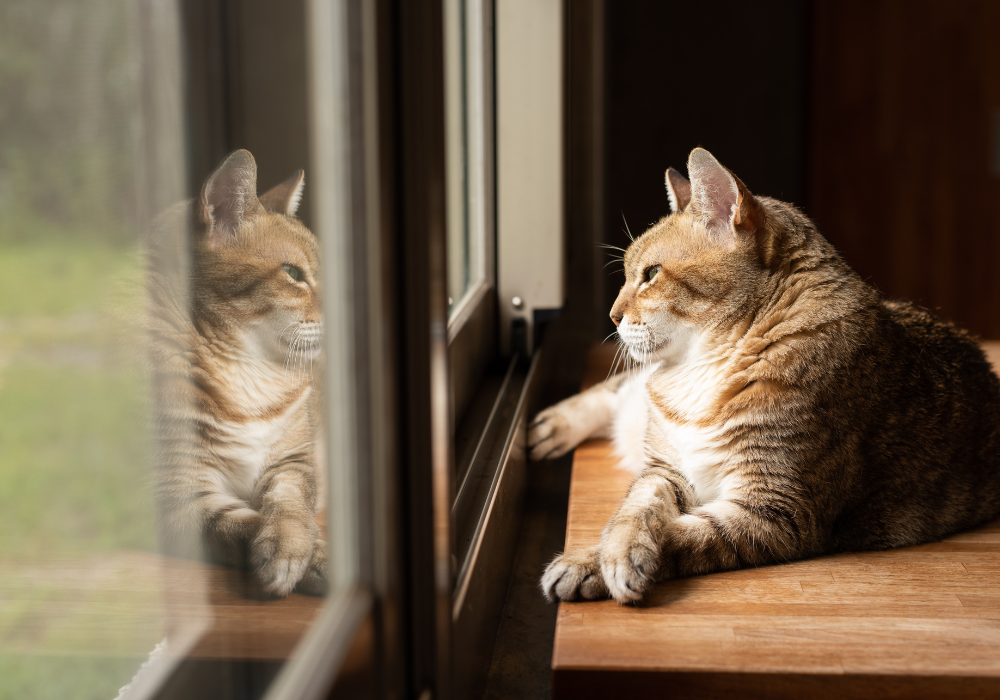
Understanding Separation Anxiety in Cats Cat separation anxiety is a behavioral and emotional condition where a cat experiences stress when separated from its primary caregiver. Although cats are often seen as independent animals, many form strong attachments to humans and can become distressed when left alone for extended periods. This condition is more common in
-
Cat Meme Evolution History: From Early Internet to TikTok Era
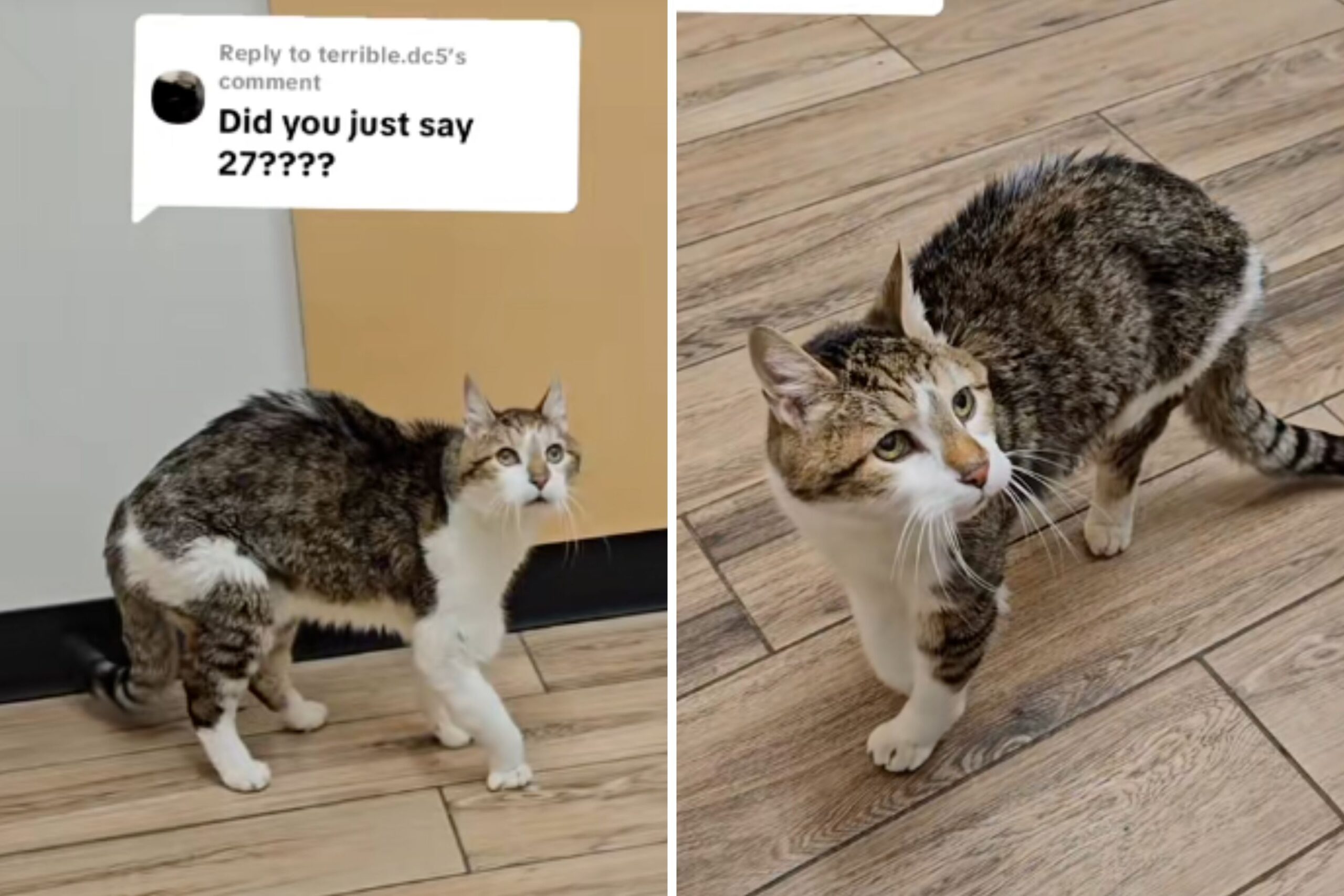
The Origins of Cat Content Online Cat memes did not appear suddenly; they evolved alongside the internet itself. In the early days of online culture, cats were already present in forums, image boards, and early social platforms. However, their popularity was limited by slower internet speeds and lower-quality media sharing. Early cat content was mostly
-
Why Cats Look Guilty After Knocking Things Over
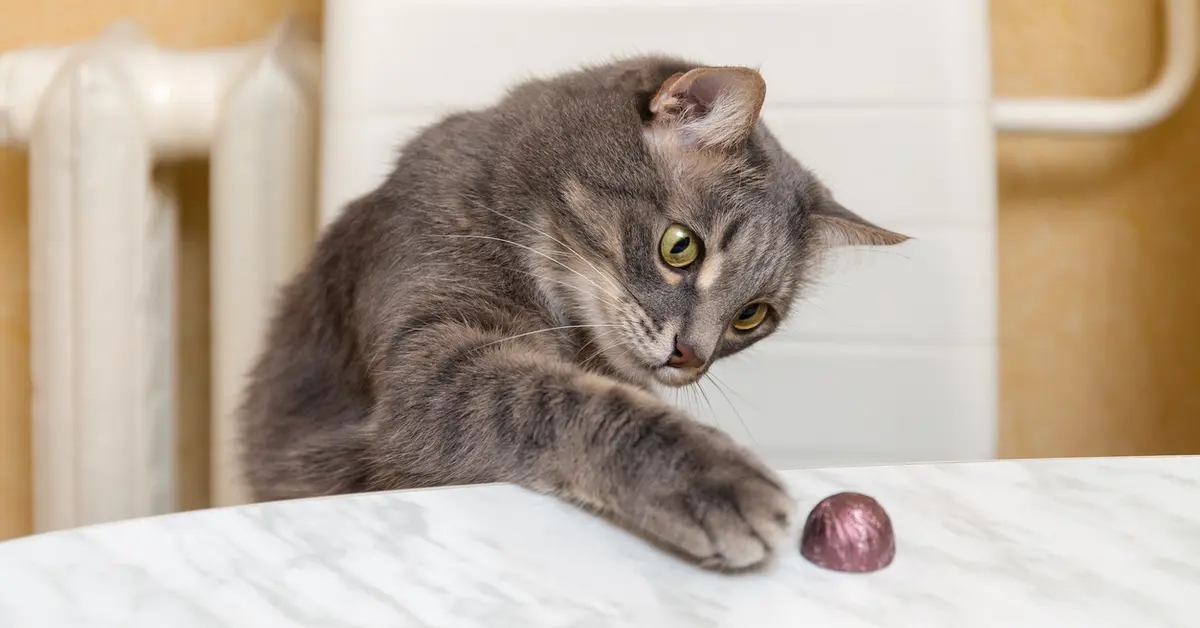
The Viral ‘Guilty Cat’ Myth One of the most famous internet cat tropes is the “guilty cat” sitting next to a broken object, looking away as if it understands wrongdoing. This behavior is often interpreted as evidence that cats feel guilt or shame. However, scientific observations suggest a very different explanation. Cats do not process
-
Why the Internet Is Obsessed With Cats
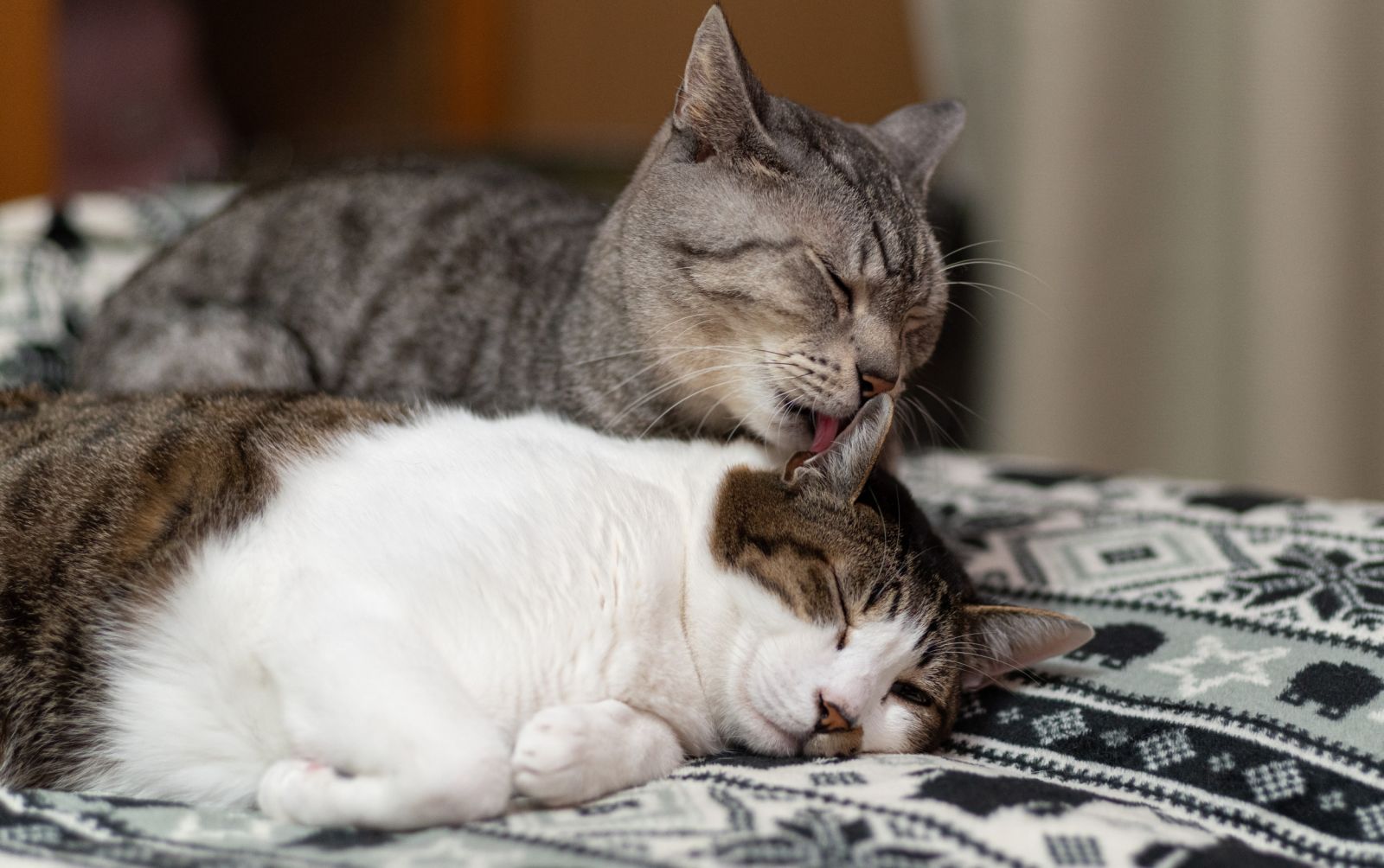
The Rise of Cats as Internet Icons Cats dominate internet culture more than almost any other animal. From early viral videos to modern short-form content, cats consistently outperform other animals in views, shares, and engagement. This dominance is not random. It is rooted in a combination of psychology, visual behavior patterns, and human emotional response
-
Cute Cat Behavior and Funny Feline Moments
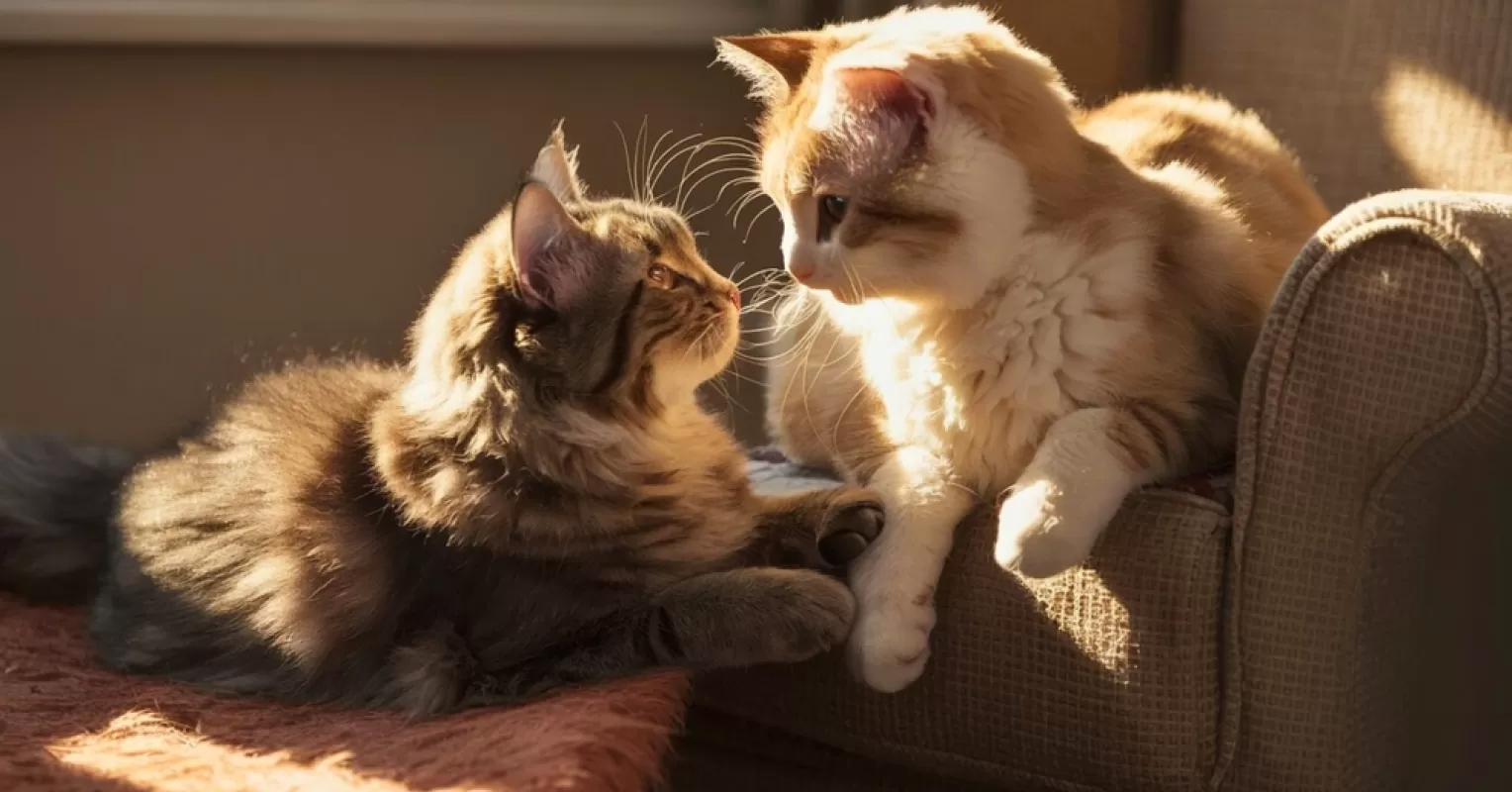
Why Cat Cuteness Often Looks Funny Cats occupy a unique space in animal behavior where cuteness and comedy overlap. Many actions that appear funny to humans are actually rooted in natural feline instincts, body mechanics, or communication signals. A cat slipping off a sofa, freezing mid-jump, or squeezing into a small box is not trying
-
Cognitive Abilities and Breed Differences

Understanding Feline Intelligence Cat intelligence is a complex combination of instinct, learning ability, memory, sensory processing, and problem-solving skills. Unlike human intelligence, which relies heavily on abstract reasoning and language, feline intelligence is highly practical and survival-oriented. Cats are excellent at interpreting environmental cues, remembering routines, and adapting their behavior based on outcomes. Their intelligence