Understanding Separation Anxiety in Cats
Cat separation anxiety is a behavioral and emotional condition where a cat experiences stress when separated from its primary caregiver. Although cats are often seen as independent animals, many form strong attachments to humans and can become distressed when left alone for extended periods.
This condition is more common in indoor cats, rescue cats, and cats that have experienced inconsistent caregiving in early life. The severity can range from mild unease to significant behavioral disruption.
Understanding this condition requires looking at feline attachment systems, environmental dependence, and learned emotional associations.
The Science of Feline Attachment
Cats form attachments through consistent feeding, comfort, and social interaction. Over time, a human becomes a primary source of safety and predictability.
This attachment is reinforced through routine behaviors such as feeding times, play sessions, and resting proximity.
When the caregiver is absent, the disruption of routine can trigger stress responses in sensitive cats.
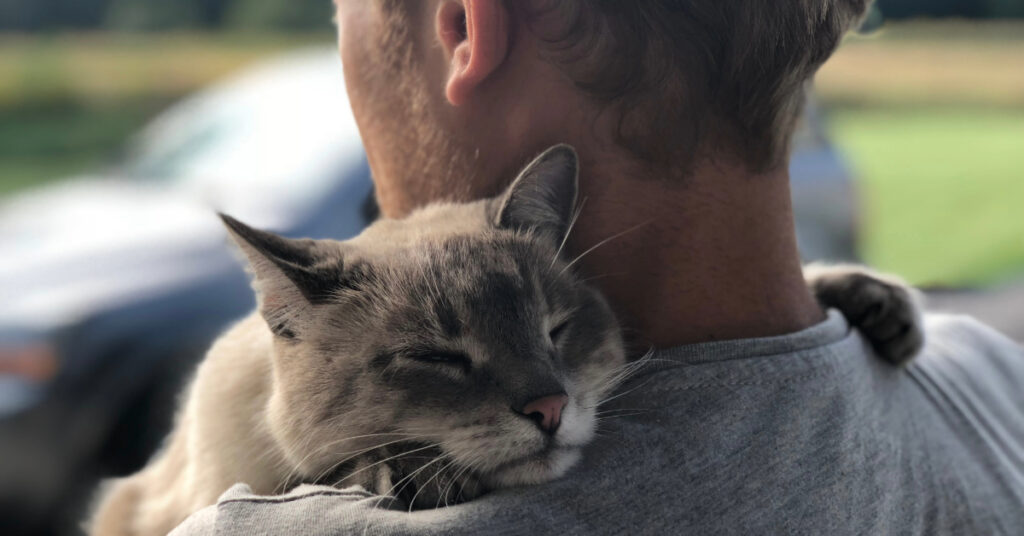
Although cats are not pack animals, they are capable of forming strong social bonds, especially with humans.
Causes of Separation Anxiety in Cats
Several factors contribute to the development of separation anxiety.
Early weaning or lack of maternal bonding can increase emotional sensitivity.
Sudden changes in environment, such as moving homes or changes in household members, can trigger insecurity.
Over-dependence on a single caregiver can also lead to heightened stress when that person is absent.
Boredom and lack of environmental enrichment intensify anxiety symptoms.
Common Behavioral Symptoms
Cats with separation anxiety may display a range of noticeable behaviors.
Excessive vocalization, especially near departure or arrival times, is common.
Destructive behavior such as scratching doors, furniture, or walls may occur.
Some cats may urinate or defecate outside the litter box when stressed.
Others may follow the owner closely before departure or become overly clingy.
In severe cases, cats may refuse to eat when alone.
Pre-Departure Anxiety Signals
Many cats begin showing anxiety before the owner even leaves.
They may observe clothing changes, bag packing, or movement patterns associated with leaving.
Some cats hide or become unusually alert during these cues.
This indicates strong associative learning between human behavior and absence.
Emotional vs Environmental Triggers
Separation anxiety is influenced by both emotional attachment and environmental stability.
Cats in enriched environments with toys, climbing spaces, and stimulation tend to experience lower anxiety levels.
Conversely, cats in minimal environments often rely heavily on human presence for stimulation.
This increases emotional dependency and stress when alone.
Role of Routine in Feline Security
Routine plays a critical role in feline emotional stability.
Cats rely on predictable feeding, play, and rest schedules to feel secure.
Disruption of routine can create confusion and anxiety responses.
Maintaining consistent daily patterns helps reduce separation-related stress.
Cognitive Processing of Absence
Cats do not understand time in the same abstract way humans do.
Instead, they rely on environmental cues and learned patterns.
When a caregiver is absent, the lack of expected sensory input creates uncertainty.
This uncertainty can trigger stress until the expected return pattern is re-established.
Physical Signs of Stress
Separation anxiety is not only behavioral but also physical.
Increased grooming or overgrooming may occur as a self-soothing mechanism.
Loss of appetite or digestive changes can appear in severe cases.
Restlessness and pacing are also common indicators.
Stress hormones such as cortisol may remain elevated during prolonged separation periods.
Differences Between Cats
Not all cats experience separation anxiety equally.
Personality plays a major role in susceptibility.
Highly social and affectionate cats are more prone to attachment-based stress.
Independent or low-interaction cats may tolerate separation better.
Breed tendencies may also influence behavior, but individual experience is more important.
Environmental Enrichment as Prevention
One of the most effective ways to reduce separation anxiety is environmental enrichment.
Interactive toys, puzzle feeders, and climbing structures provide mental stimulation during absence.
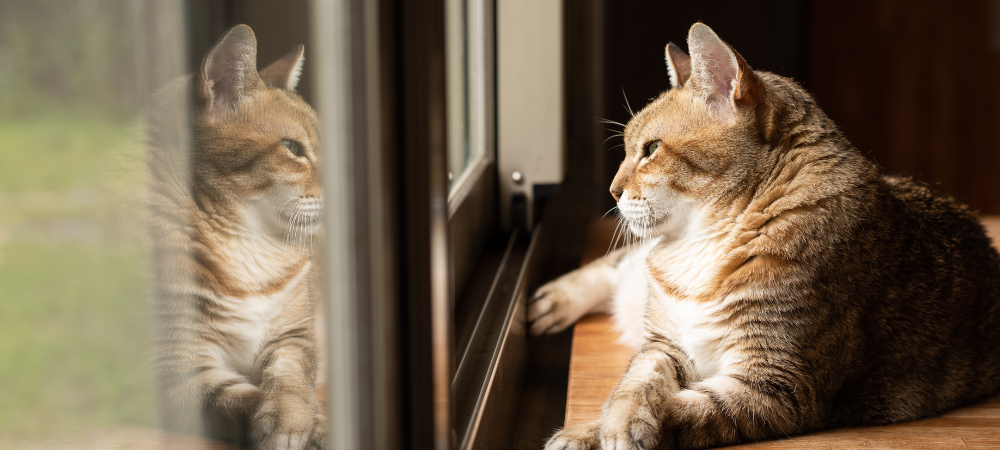
Window access allows visual engagement with the outside world.
Rotating toys prevents boredom and maintains curiosity.
These elements reduce reliance on human presence for stimulation.
Gradual Desensitization Training
Behavioral conditioning can help reduce separation anxiety over time.
Short, controlled absences help cats adjust gradually to being alone.
Returning calmly without excessive emotional reaction prevents reinforcement of anxiety cycles.
Over time, the cat learns that absence is temporary and non-threatening.
Consistency is key in this process.
The Role of Scent in Comfort
Scent plays a powerful role in feline emotional regulation.
Cats rely heavily on smell to recognize safety and familiarity.
Leaving behind items with the owner’s scent can provide comfort during absence.
Blankets, clothing, or bedding can reduce stress levels in anxious cats.
Use of Background Stimuli
Some cats benefit from background sounds during alone time.
Soft music, television, or ambient noise can reduce feelings of isolation.
These stimuli mimic environmental presence and reduce silence-related stress.
However, overstimulation should be avoided as it may increase anxiety in sensitive cats.
Feeding and Positive Association
Food-based enrichment can help manage separation anxiety.
Puzzle feeders or timed food dispensers create positive associations with alone time.
This shifts focus from absence to reward-based activity.
Over time, the cat may associate separation with food access rather than stress.
Behavioral Mistakes by Owners
Unintentional reinforcement of anxiety is common.
Overly emotional greetings or departures can increase emotional dependency.
Inconsistent routines make it harder for cats to predict absence patterns.
Punishment for anxiety behaviors worsens stress and damages trust.
Severe Cases and Veterinary Support
In extreme cases, separation anxiety may require veterinary intervention.
Behavioral therapy combined with medication may be recommended.
Underlying medical conditions should always be ruled out first.
Professional guidance ensures safe and effective treatment strategies.
Long-Term Management Strategies
Managing separation anxiety requires long-term consistency.
Routine, enrichment, and gradual desensitization form the foundation of treatment.
Emotional stability improves when cats learn predictable absence-return cycles.
Most cats show significant improvement with proper environmental and behavioral support.
Human-Cat Emotional Bonding Impact
Strong emotional bonding is both a cause and a solution for separation anxiety.
While attachment creates dependency, it also provides motivation for learning stability.
Balanced interaction helps cats feel secure without over-dependence.
Healthy bonding involves both affection and independence.
FAQ
Do all cats suffer from separation anxiety?
No, only some cats develop significant anxiety when left alone.
Can cats be trained to tolerate being alone?
Yes, through gradual desensitization and routine conditioning.
Is separation anxiety dangerous for cats?
It can be if severe, especially if it leads to refusal to eat or chronic stress.
Does ignoring a cat help reduce anxiety?
No, structured training and enrichment are more effective.
Can toys replace human presence?
They can reduce stress but do not fully replace emotional bonding.
Conclusion
Cat separation anxiety is a complex behavioral condition rooted in attachment, routine disruption, and environmental dependence. While cats are often perceived as independent, many form deep emotional bonds with humans that influence their stress responses. With proper enrichment, routine management, and gradual training, most cats can learn to feel secure during periods of separation, improving both emotional wellbeing and behavioral stability.