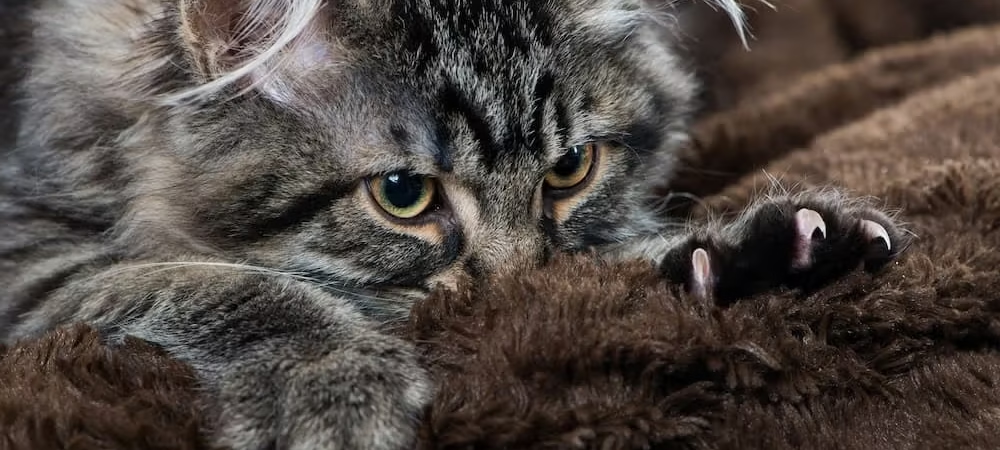
What Is Cat Kneading?
Kneading is a common cat behavior where cats push their paws in and out rhythmically against soft surfaces such as blankets, pillows, beds, or even people. Many owners describe the movement as similar to kneading dough.
Cats often knead while purring, relaxing, or preparing to sleep. Some cats use only their front paws, while others involve all four paws.
This behavior usually begins during kittenhood and continues into adulthood for many cats.
Kneading is generally considered a sign of comfort, security, and emotional contentment.
Kneading Starts During Kittenhood
One of the main reasons cats knead is because the behavior develops naturally while nursing.
Kittens knead around their mother’s belly to stimulate milk flow during feeding. The repetitive paw motion helps encourage milk production and creates comfort during nursing.
Because nursing is associated with warmth, safety, and food, many adult cats continue kneading when they feel relaxed and secure.
Blankets, soft beds, and human laps may remind cats of the comforting environment they experienced as kittens.
This explains why kneading is often accompanied by purring and sleepy behavior.
Cats Knead to Show Affection
Cats sometimes knead directly on their owners as a sign of love and trust.
When a cat climbs onto someone’s lap and begins kneading gently, it usually means the cat feels emotionally safe and comfortable.
Many affectionate cats combine kneading with purring, slow blinking, and cuddling.
Cats do not show affection in exactly the same way humans or dogs do, but kneading is often one of the clearest signs of feline emotional bonding.
Cats that knead people frequently usually share strong relationships with their owners.
Kneading Helps Cats Mark Territory
Cats have scent glands located in their paws. When they knead surfaces, they release scent markers that help establish familiarity and territory.
This scent marking behavior helps cats feel secure within their environment.
Blankets, beds, and favorite resting spots often carry the cat’s scent after kneading.
When cats knead their owners, they may also be mixing their scent with the human’s scent as a form of social bonding.
Territorial scent marking is a natural feline instinct and not a sign of bad behavior.
Cats Knead to Prepare Sleeping Areas
Wild cats and large feline relatives often flatten grass or soft surfaces before resting.
Domestic cats may retain this instinctive behavior by kneading blankets or bedding before lying down.
Kneading helps create a comfortable resting space and may also help cats relax physically before sleep.
Some cats circle around several times before kneading and finally settling into a sleeping position.
This behavior is especially common during colder weather when cats seek warm and soft areas.
Stress Relief and Emotional Comfort
Kneading can function as a calming activity for cats.
Cats experiencing mild stress or anxiety sometimes knead to comfort themselves.
The repetitive motion may release tension and help cats feel more secure.
Cats living in peaceful environments often knead while relaxed, but anxious cats may also use the behavior during uncertain situations.
Providing safe spaces, stable routines, and enrichment activities can help reduce stress-related behaviors.
Why Some Cats Drool While Kneading
Some cats drool slightly while kneading intensely.
This behavior usually occurs because kneading triggers comforting memories associated with kittenhood and nursing.
Drooling during kneading is often harmless when the cat appears healthy otherwise.
However, excessive drooling unrelated to kneading may indicate dental or medical problems and should be evaluated by a veterinarian.
Why Cats Knead Soft Blankets Most Often
Cats usually prefer soft and plush textures for kneading because these materials resemble fur or soft bedding.
Fleece blankets, fluffy pillows, and thick comforters are common kneading targets.
Warm materials may increase comfort and encourage relaxation.
Some cats become attached to specific blankets and repeatedly knead the same item daily.
Owners often notice cats kneading more during bedtime or colder seasons.
Can Kneading Become Painful?
Although kneading is usually harmless, sharp claws can sometimes cause discomfort when cats knead directly on people.
Long nails may puncture clothing or scratch skin during intense kneading sessions.
Regular nail trimming helps reduce discomfort without discouraging the behavior entirely.
Placing a thick blanket between the cat and the owner’s lap can also help.
Punishing cats for kneading is not recommended because the behavior is natural and emotionally comforting.
Do All Cats Knead?
Not all cats knead visibly.
Some cats knead frequently throughout life, while others rarely display the behavior.
Differences in personality, breed, socialization, and early experiences may influence kneading habits.
Affectionate breeds like Ragdolls and Siamese cats often knead more noticeably.
Even cats that do not knead can still be emotionally healthy and affectionate.
How to Encourage Healthy Kneading Habits
Providing soft blankets and cozy resting spaces encourages appropriate kneading behavior.
Regular grooming and nail trimming make kneading more comfortable for owners.
Creating calm indoor environments helps cats feel secure enough to express natural behaviors.
Positive interaction during kneading sessions can strengthen the bond between cats and owners.
Cats should never be punished for kneading because it is linked to comfort and emotional security.
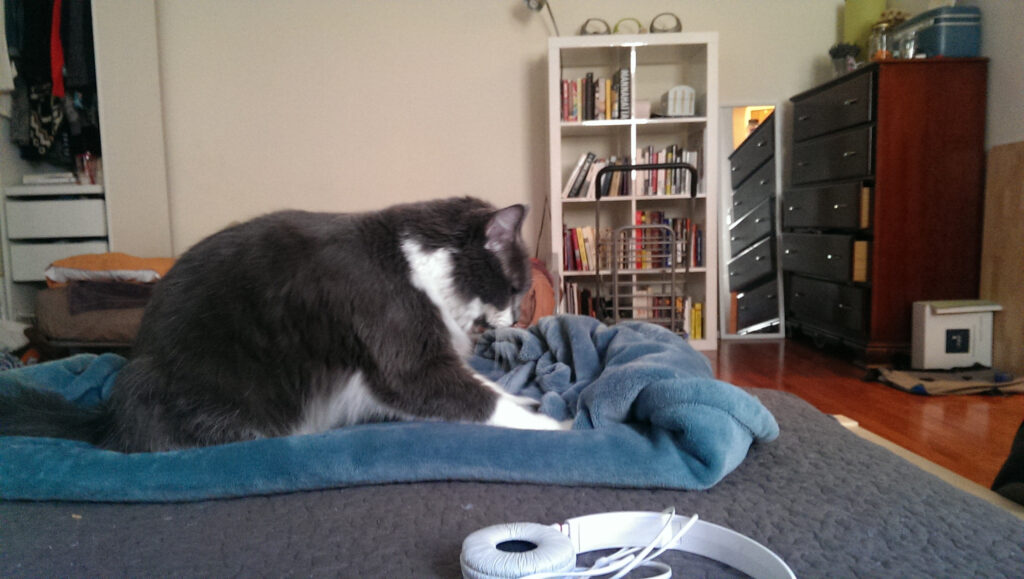
Signs Kneading May Indicate Stress
In most situations kneading is harmless, but excessive or obsessive kneading combined with other unusual behaviors may indicate anxiety.
Signs of stress may include overgrooming, hiding, aggression, appetite changes, or excessive vocalization.
Environmental changes such as moving homes or introducing new pets can increase stress-related behaviors.
Providing stability and enrichment can help anxious cats feel safer.
If concerning behavioral changes appear suddenly, veterinary advice may be helpful.
Common Myths About Kneading
Some people mistakenly believe kneading means a cat is trying to dominate territory aggressively.
In reality, kneading is usually associated with comfort, security, and instinctive behavior.
Another myth is that adult cats knead because they were separated from their mothers too early. While early weaning may influence behavior in some cases, many well-socialized cats knead normally throughout life.
Kneading is generally considered a positive and healthy feline behavior.
Benefits of Kneading for Cats
Kneading allows cats to stretch their paws and muscles gently.
The behavior may help reduce stress and create emotional comfort.
Cats often appear deeply relaxed and content while kneading.
Kneading also helps strengthen social bonds between cats and humans through positive interaction.
FAQ
Why does my cat knead me before sleeping?
Cats often knead before sleeping because the behavior helps them relax and feel secure.
Is kneading a sign my cat loves me?
Yes, cats frequently knead people they trust and feel comfortable around.
Why does my cat bite blankets while kneading?
Some cats become deeply relaxed during kneading and may gently bite or suck on blankets due to kittenhood instincts.
Should I stop my cat from kneading?
No, kneading is a natural and healthy behavior unless it becomes obsessive or harmful.
Why do cats purr while kneading?
Purring and kneading both commonly occur during relaxation and emotional comfort.
Conclusion
Kneading is a natural feline behavior connected to comfort, affection, territorial scent marking, and kittenhood instincts. Whether cats knead blankets, beds, or people, the behavior usually reflects feelings of safety and contentment. Understanding why cats knead helps owners appreciate this unique and comforting expression of feline trust and relaxation.