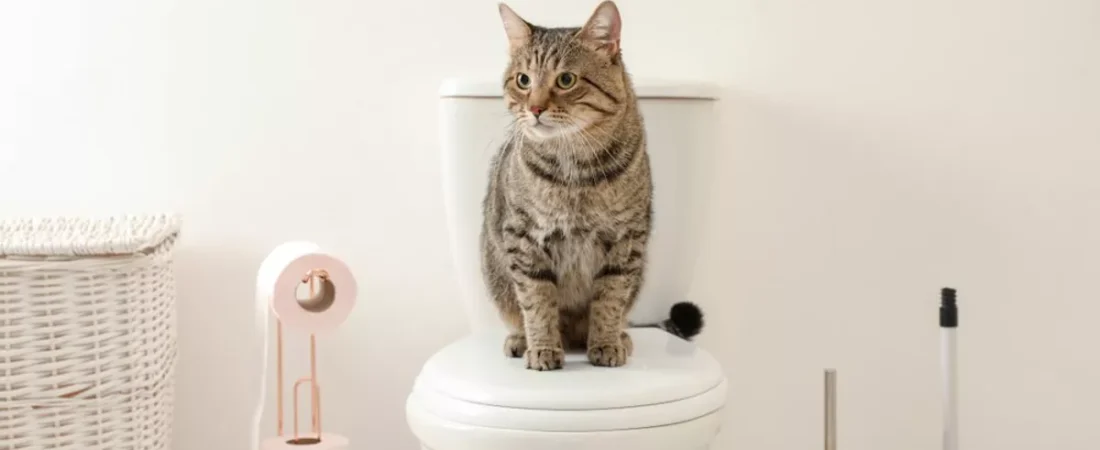
Why Some Owners Toilet Train Cats
Many cat owners become interested in toilet training because it reduces litter box maintenance and eliminates the need to buy litter regularly.
A toilet-trained cat can help reduce odors inside the home and save space in small apartments.
Some owners also prefer the convenience of avoiding daily scooping and litter disposal.
However, toilet training is not suitable for every cat. Some cats adapt easily while others become stressed or confused by the process.
Patience and gradual training are extremely important for success.
Understanding Cat Behavior Before Training
Cats naturally prefer digging and burying waste. Traditional litter boxes allow them to follow these instincts comfortably.
Toilet training changes these natural behaviors significantly.
Because of this, some cats may resist the process or feel insecure during training.
Confident, adaptable, and food-motivated cats often learn faster than anxious or elderly cats.
Owners should also consider their cat’s health and mobility before beginning.
Senior cats or cats with joint problems may struggle balancing on toilet seats.
Supplies Needed for Toilet Training
Most owners use a toilet training kit designed specifically for cats.
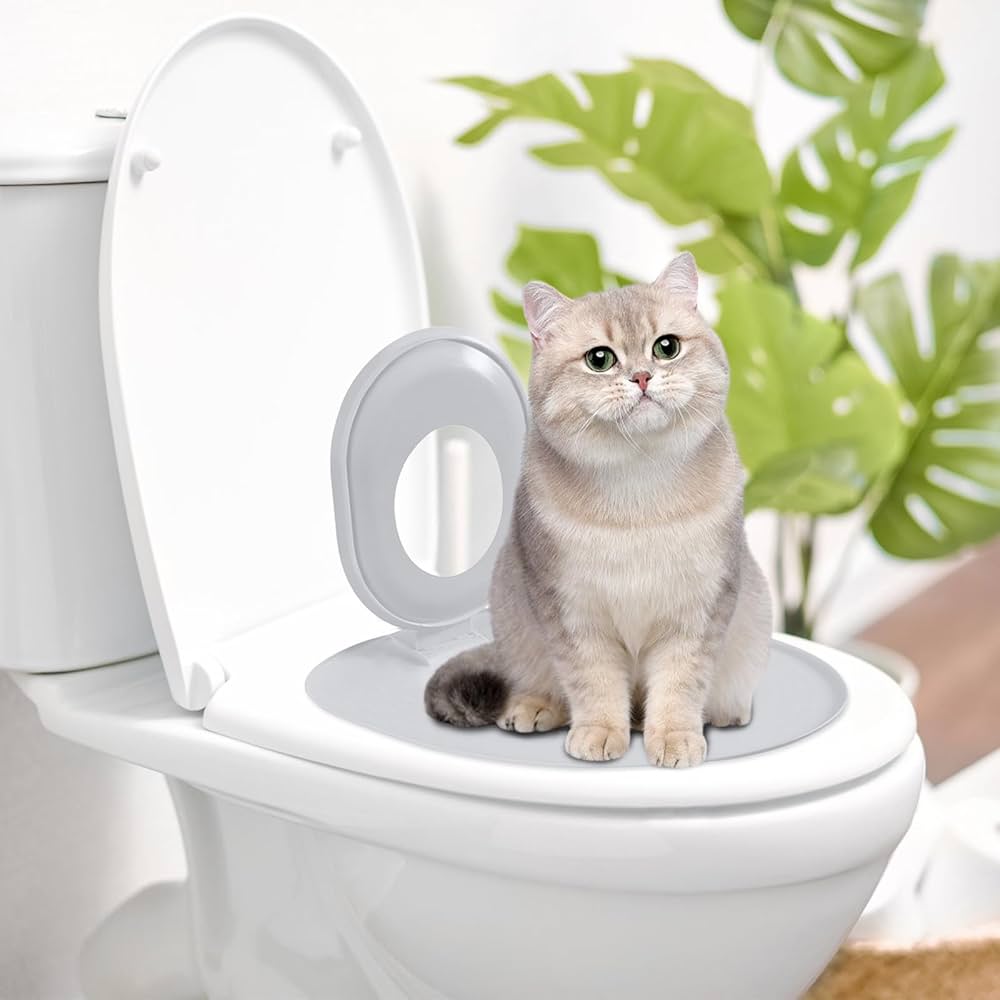
These kits usually include a training tray that fits over the toilet seat.
Gradually, the tray opening becomes larger until the cat learns to balance directly on the toilet.
Flushable training litter is often recommended during early stages.
Treats and positive reinforcement are also useful for encouraging progress.
A stable toilet seat and accessible bathroom environment are important for safety.
Step 1: Move the Litter Box Near the Toilet
The first step is placing the cat’s litter box next to the toilet.
This helps the cat associate the bathroom with elimination routines.
Cats should feel comfortable using the litter box in its new location before moving forward.
Sudden changes may confuse cats, so transitions should happen gradually.
Some owners move the litter box closer over several days instead of immediately changing its position.
Step 2: Raise the Litter Box Slowly
Once the cat consistently uses the litter box beside the toilet, the box should be elevated gradually.
Books, boxes, or sturdy platforms can raise the litter box little by little.
The goal is to eventually position the litter box at toilet-seat height.
Raising the box too quickly may cause accidents or anxiety.
Cats need time to adjust comfortably at each stage.
Stability is extremely important because wobbling platforms may frighten cats.
Step 3: Introduce the Training Tray
After the litter box reaches toilet height, a training tray can replace the traditional litter box.
The tray sits securely on the toilet seat and contains a small amount of litter.
At this stage, cats begin associating the toilet itself with elimination.
Owners should praise and reward successful use.
Some cats adapt within days while others require several weeks.
Patience during this phase is essential.
Step 4: Reduce the Litter Gradually
As the cat becomes comfortable using the tray, litter amounts should slowly decrease.
Cats begin relying more on balance and habit rather than digging behavior.
The opening in the training tray also becomes larger over time.
Gradual progression prevents stress and confusion.
Rushing this stage often leads to setbacks or accidents outside the toilet.
Step 5: Transition to the Toilet Seat
Eventually, the training tray is removed entirely.
The cat learns to balance directly on the toilet seat while eliminating.
Owners should continue monitoring closely during this transition.
Some cats adjust quickly, while others require additional time using partial tray openings.
Rewarding successful toilet use helps reinforce confidence.
Common Challenges During Toilet Training
Many cats experience setbacks during training.
Fear of falling into the toilet is a common issue.
Some cats dislike the sound of flushing or unstable toilet seats.
Multi-cat households may create additional complications if only one cat is being trained.
Stress, illness, or environmental changes can also interrupt progress.
If accidents become frequent, returning temporarily to an earlier training stage may help.
Benefits of Toilet Training
Toilet training eliminates litter tracking around the house.
Owners spend less money on litter products over time.
Bathrooms often remain cleaner and odor-free without traditional litter boxes.
Traveling or moving may also become easier without large litter setups.
Some owners appreciate the convenience and novelty of a toilet-trained cat.
Drawbacks of Toilet Training
Despite its benefits, toilet training also has disadvantages.
Cats lose the ability to express natural digging and burying behaviors.
Monitoring waste becomes more difficult because urine and stool are flushed away immediately.
Changes in litter box habits often help owners detect medical problems early.
Toilet-trained cats may also struggle in unfamiliar environments or homes without accessible toilets.
Some veterinarians and animal behaviorists discourage toilet training for these reasons.
Hygiene and Cleaning Tips
Bathrooms should remain clean and accessible at all times.
Toilet seats should be wiped regularly to maintain hygiene.
Strong chemical cleaners should be avoided because harsh smells may discourage toilet use.
Toilet lids must remain open consistently for trained cats.
Household members should understand the cat’s routine to avoid accidentally blocking bathroom access.
Is Toilet Training Safe for Cats?
Healthy adult cats can usually toilet train safely with gradual methods.
However, kittens, elderly cats, overweight cats, or cats with mobility problems may struggle balancing safely.
Cats with anxiety or medical conditions may also experience unnecessary stress.
Owners should prioritize the cat’s comfort and wellbeing rather than forcing the process.
If the cat appears distressed, returning to a traditional litter box may be the better option.
Alternative Solutions to Reduce Litter Box Problems
Some owners choose automatic litter boxes instead of toilet training.
Self-cleaning litter systems reduce maintenance while still allowing natural feline behavior.
High-quality odor-control litter and proper cleaning routines also help maintain fresh-smelling homes.
Large covered litter boxes can reduce mess and improve convenience.
These alternatives may be easier for many cats.
Common Mistakes Owners Make
Many owners rush the training process too quickly.
Sudden changes often create confusion and stress.
Using unstable training platforms may frighten cats permanently.
Punishing accidents can damage trust and slow progress.
Ignoring signs of anxiety or discomfort may lead to long-term behavioral problems.
Patience and flexibility are key during toilet training.
FAQ
Can all cats be toilet trained?
No, some cats adapt well while others never feel comfortable using toilets.
How long does toilet training take?
Training may take anywhere from several weeks to several months depending on the cat.
Is toilet training cruel for cats?
Some experts believe it interferes with natural behaviors, while others consider it acceptable if the cat adapts comfortably.
Can kittens use toilets?
Very young kittens are generally too small and unstable for toilet training.
What should I do if my cat stops using the toilet?
Returning to an earlier training stage or using a traditional litter box may help rebuild confidence.
Conclusion
Toilet training a cat requires patience, gradual progression, and careful attention to feline comfort. While some cats adapt successfully and enjoy cleaner living environments, others may prefer traditional litter boxes. Understanding a cat’s personality, health, and natural instincts helps owners decide whether toilet training is the right choice for their pet.