Why Cats Scratch Furniture
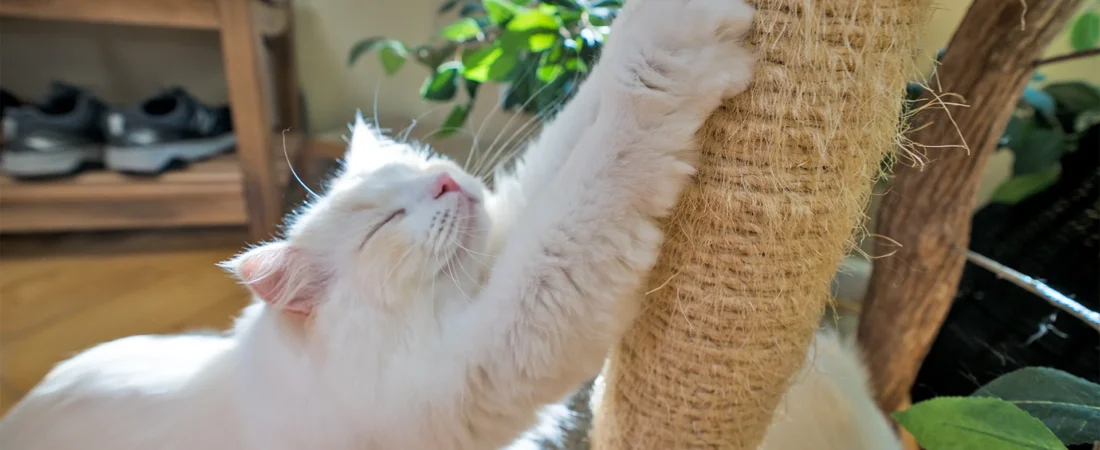
Scratching is a completely natural behavior for cats. Cats scratch surfaces to sharpen their claws, stretch their muscles, mark territory, and release stress.
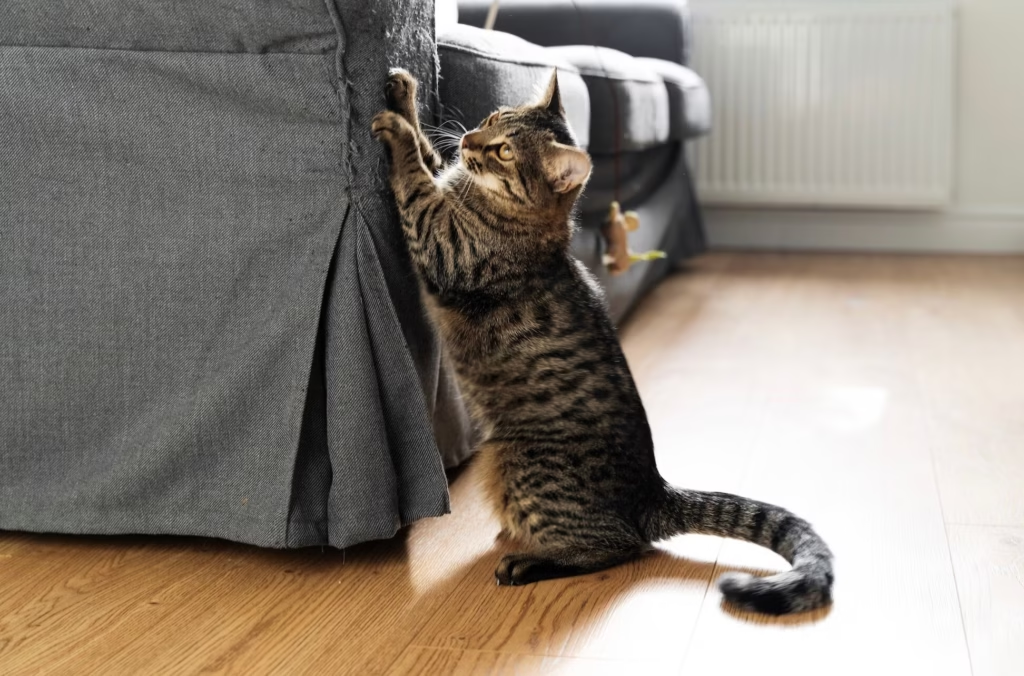
Furniture often becomes a favorite scratching target because fabric and wood provide satisfying textures for clawing. Sofas, chairs, carpets, and wooden corners are commonly damaged when cats lack proper alternatives.
Cats also have scent glands in their paws. Scratching leaves both visible marks and scent signals that help cats feel secure within their territory.
Understanding the reason behind scratching behavior is important before trying to stop it.
Punishing cats for scratching rarely works because the behavior is instinctive rather than disobedient.
Provide Proper Scratching Posts
One of the most effective ways to protect furniture is by providing attractive scratching alternatives.
Cats prefer different scratching materials depending on personal preference. Sisal rope, cardboard, carpet, and wood are among the most popular textures.
Vertical scratching posts allow cats to stretch fully while scratching. The post should be tall and sturdy enough so it does not wobble during use.
Horizontal scratchers are also useful because some cats prefer scratching flat surfaces.
Placing scratching posts near furniture areas increases the chance cats will use them instead.
Homes with multiple cats should ideally have several scratching stations.
Use Catnip and Toys to Encourage Scratching Posts
Some cats ignore new scratching posts initially. Catnip can help attract attention and encourage exploration.
Sprinkling dried catnip or using catnip spray on scratching surfaces often motivates cats to interact with them.
Interactive toys placed near scratching posts can also create positive associations.
Rewarding cats with treats or praise immediately after they use scratching posts reinforces good behavior.
Consistency is important during training.
Protect Furniture With Covers and Deterrents
Temporary furniture protection can reduce damage while cats learn better habits.
Double-sided sticky tape is commonly used because most cats dislike sticky textures on their paws.
Plastic furniture protectors and scratch guards can also discourage scratching.
Some owners use aluminum foil or textured covers temporarily to make furniture less appealing.
Cat-safe deterrent sprays may help in certain situations, though effectiveness varies between cats.
Avoid using harsh punishment or spraying water because this can create fear and damage trust.
Trim Your Cat’s Nails Regularly
Regular nail trimming reduces the damage caused by scratching.
Sharp claws can easily tear upholstery and carpets, while trimmed claws cause less destruction.
Cats should become comfortable with paw handling from an early age when possible.
Using cat-specific nail clippers makes trimming safer and easier.
Only the sharp tip of the nail should be trimmed. Cutting too deeply may cause pain and bleeding.
For owners uncomfortable trimming claws themselves, professional groomers and veterinarians can help.
Create an Enriching Environment
Bored or stressed cats often scratch furniture more frequently.
Providing enrichment activities helps reduce destructive behavior.
Cat trees, climbing shelves, tunnels, puzzle toys, and interactive games keep cats mentally stimulated.
Daily play sessions using feather wands or laser toys help release energy and reduce stress.
Window perches also provide entertainment by allowing cats to observe outdoor activity.
A mentally stimulated cat is less likely to damage furniture excessively.
Understand Territory and Stress
Scratching often increases during stressful situations.
Moving homes, introducing new pets, changing routines, or unfamiliar visitors may trigger territorial scratching.
Cats scratch to create familiar scent markers that help them feel secure.
Using calming pheromone diffusers may reduce anxiety-related scratching.
Maintaining stable routines and safe hiding spaces also helps stressed cats feel more comfortable.
Best Types of Scratching Posts
Sisal Rope Posts
Sisal is one of the most popular scratching materials because it is durable and satisfying for cats.
Many cats naturally prefer rough textures similar to tree bark.
Cardboard Scratchers
Cardboard scratchers are affordable and widely loved by cats.
They are lightweight, replaceable, and suitable for cats that prefer horizontal scratching.
Carpet Scratchers
Some cats enjoy carpet textures, though owners should avoid scratchers too similar to household carpets because this may create confusion.
Wooden Scratchers
Wood scratching posts imitate natural outdoor scratching surfaces.
Certain cats strongly prefer the feel of unfinished wood.
How to Train a Cat to Stop Scratching Furniture
Training requires patience and consistency.
Whenever a cat approaches furniture for scratching, gently redirect them toward an approved scratching area.
Positive reinforcement works better than punishment.
Treats, affection, and praise after appropriate scratching help cats learn quickly.
Placing scratching posts directly beside damaged furniture initially can make the transition easier.
Gradually moving the scratching post later may help establish better habits.
Declawing Is Not Recommended
Declawing is considered harmful and controversial by many veterinarians and animal welfare experts.
The procedure involves amputating part of the cat’s toes rather than simply removing nails.
Declawed cats may develop chronic pain, anxiety, balance problems, and litter box issues.
Many countries and veterinary organizations discourage or ban declawing procedures.
Behavioral training and environmental management are safer and more humane alternatives.
Best Furniture Materials for Cat Owners
Certain furniture materials resist scratching better than others.
Microfiber and tightly woven fabrics are generally more durable.
Leather can sometimes resist minor scratching but may still show puncture marks.
Loosely woven fabrics snag easily and are usually poor choices for cat owners.
Using washable furniture covers can also help protect expensive sofas and chairs.
Common Mistakes Cat Owners Make
Many owners punish cats without providing alternative scratching options.
Another mistake is buying unstable scratching posts that cats dislike using.
Ignoring boredom and lack of stimulation often worsens destructive behavior.
Some owners also expect immediate results, but behavior changes require patience.
Consistency is essential for successful training.
Benefits of Proper Scratching Behavior
Healthy scratching helps cats maintain strong claws and muscles.
Scratching also provides stress relief and emotional comfort.
Appropriate scratching surfaces protect furniture while allowing cats to express natural instincts safely.
Cats with good enrichment and scratching options often appear calmer and happier indoors.
FAQ
Why does my cat scratch the couch even with a scratching post?
The scratching post may not match your cat’s preferred texture, size, or location.
Can cats be trained not to scratch furniture?
Yes, consistent redirection and positive reinforcement can successfully reduce furniture scratching.
What material do cats like scratching most?
Many cats prefer sisal rope, cardboard, and rough textured surfaces.
Is spraying water at cats effective?
Spraying water may create fear and stress but usually does not solve the underlying behavior.
How often should I trim my cat’s nails?
Most cats benefit from nail trimming every two to four weeks.
Conclusion
Stopping a cat from scratching furniture requires understanding natural feline behavior rather than punishment. Providing attractive scratching alternatives, maintaining enrichment, trimming nails regularly, and using positive reinforcement can significantly reduce furniture damage. With patience and consistency, most cats can learn healthy scratching habits while remaining happy and emotionally secure indoors.