Preparing Your Home for a Kitten
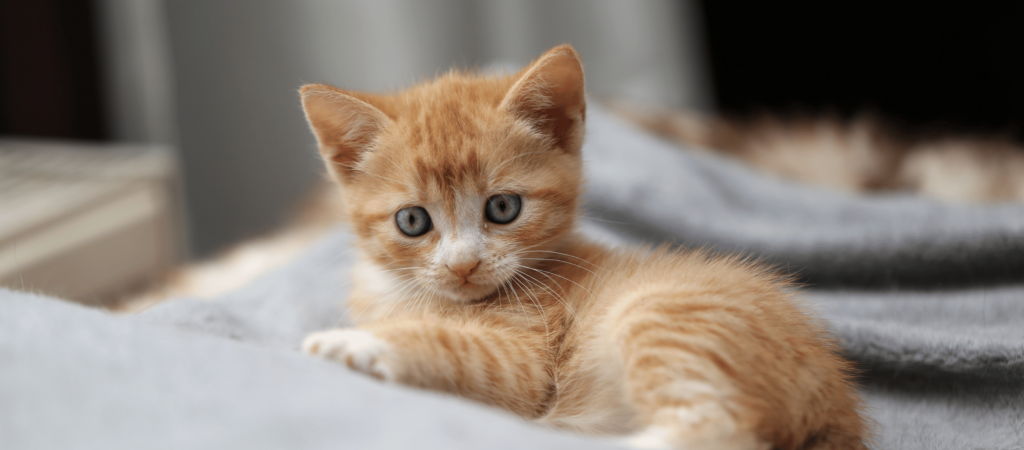
Bringing a kitten home requires preparation to create a safe and comfortable environment. Kittens are naturally curious and love exploring every corner of the house.
Before the kitten arrives, dangerous items should be removed or secured. Electrical cords, toxic plants, sharp objects, and small choking hazards can put young cats at risk.
Creating a quiet space for the kitten helps reduce stress during the adjustment period. A small room with food, water, toys, bedding, and a litter box can help kittens feel secure initially.
Soft blankets and warm sleeping areas are important because kittens enjoy cozy environments.
Introducing the kitten gradually to larger areas of the home prevents overwhelming experiences.
Choosing the Right Food
Proper nutrition is essential for healthy kitten growth.
Kittens require specially formulated kitten food because they need more protein, calories, vitamins, and minerals than adult cats.
High-quality wet food supports hydration and is usually easier for kittens to chew.
Dry food can also be included, but kittens should always have access to fresh clean water.
Young kittens typically need multiple small meals throughout the day because of their high energy requirements.
Foods designed specifically for kittens provide nutrients necessary for brain development, strong bones, healthy muscles, and immune support.
Human foods and cow’s milk should generally be avoided because they may cause digestive problems.
Setting Up the Litter Box
Litter training is usually easier with kittens than many owners expect.
Most kittens naturally understand how to use litter because of instinctive burying behaviors.
The litter box should be easy to access and placed in a quiet area away from food and water bowls.
Low-sided litter boxes are ideal for very young kittens because they can climb in and out comfortably.
Unscented clumping litter is often recommended, though some veterinarians suggest non-clumping litter for extremely young kittens to avoid accidental ingestion risks.
Cleaning the litter box daily encourages consistent usage and reduces odor.
Positive reinforcement works best during litter training.
Importance of Veterinary Care
Regular veterinary visits are extremely important during kittenhood.
A veterinarian checks for parasites, infections, growth problems, and overall health.
Vaccinations protect kittens from dangerous diseases such as feline distemper and respiratory infections.
Deworming treatments are also commonly needed because many kittens carry intestinal parasites.
Spaying or neutering should be discussed with the veterinarian at the appropriate age.
Routine health care during kittenhood builds the foundation for a healthier adult life.
Socializing Your Kitten
Early socialization helps kittens become confident and friendly adult cats.
Kittens should experience gentle handling, positive human interaction, and exposure to normal household sounds.
Short play sessions and calm interaction help build trust.
If other pets are present, introductions should happen slowly and carefully.
Positive early experiences reduce fearfulness and aggression later in life.
Kittens that receive healthy socialization often adapt more easily to visitors, grooming, and daily activities.
Understanding Kitten Behavior
Kittens are highly energetic and playful.
Running, jumping, climbing, pouncing, and chasing are all normal behaviors.
Play is extremely important because it helps kittens develop coordination, hunting skills, and confidence.
Biting and scratching during play are common but should be redirected toward toys instead of hands.
Interactive toys such as feather wands and small balls provide healthy outlets for energy.
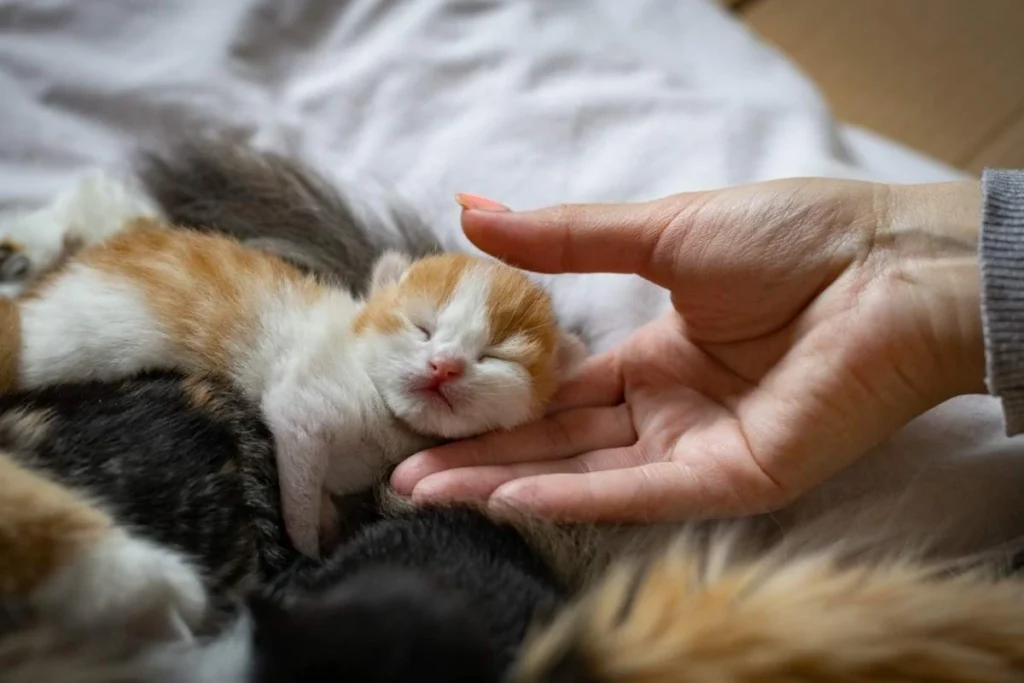
Kittens also sleep frequently because growth and development require significant rest.
Best Toys for Kittens
Providing appropriate toys prevents boredom and destructive behavior.
Balls, tunnels, teaser wands, scratching posts, and puzzle toys are excellent options.
Interactive toys strengthen the bond between kittens and owners while encouraging exercise.
Rotating toys regularly keeps kittens mentally stimulated.
Small objects that could be swallowed should always be avoided.
Scratching posts are especially important because kittens naturally scratch to stretch muscles and maintain claws.
Creating Healthy Sleeping Habits
Kittens sleep many hours each day, often between play sessions.
A warm and quiet sleeping area helps kittens feel secure.
Soft beds placed away from loud noises or heavy foot traffic are ideal.
Some kittens enjoy sleeping near their owners, while others prefer private hiding spots.
Maintaining consistent nighttime routines can help reduce excessive nighttime activity.
Interactive play before bedtime may also help kittens sleep more peacefully at night.
Teaching Good Behavior Early
Training should begin during kittenhood because young cats learn quickly.
Positive reinforcement is the most effective training method.
Rewarding good behavior with treats, praise, or play helps kittens understand expectations.
Undesirable behaviors such as scratching furniture or biting hands should be redirected rather than punished.
Consistency from all family members helps prevent confusion.
Cats do not respond well to physical punishment and may become fearful if treated harshly.
Grooming Your Kitten
Regular grooming helps kittens become comfortable with handling.
Short-haired kittens may only require occasional brushing, while long-haired breeds need more frequent grooming.
Brushing removes loose fur and reduces hairballs.
Nail trimming should also begin early so kittens become accustomed to paw handling.
Checking ears, teeth, and eyes regularly helps owners monitor health.
Bathing is usually unnecessary unless the kitten becomes extremely dirty.
Keeping Indoor Kittens Safe
Indoor living protects kittens from many dangers such as traffic, predators, diseases, and harsh weather.
Windows and balconies should be secured carefully because curious kittens may attempt climbing or jumping.
Toxic plants like lilies should never be accessible to cats.
Cleaning chemicals and medications must be stored safely.
Providing climbing structures and window perches helps indoor kittens stay mentally stimulated.
Introducing Kittens to Other Pets
Introductions should happen gradually to reduce stress.
Dogs should remain calm and supervised during early meetings.
Cats often require several days or weeks to adjust to new companions.
Separate feeding areas and litter boxes help reduce territorial tension.
Allowing animals to smell each other through closed doors before direct interaction can make introductions smoother.
Patience is essential because rushing introductions may create long-term behavioral issues.
Common Health Problems in Kittens
Kittens are vulnerable to several common health issues.
Fleas, worms, respiratory infections, and digestive upset occur frequently in young cats.
Signs of illness may include lethargy, diarrhea, sneezing, poor appetite, or eye discharge.
Prompt veterinary care is important because kittens can become dehydrated quickly.
Routine health monitoring helps owners identify problems early.
Benefits of Raising a Kitten
Raising a kitten can be an enjoyable and rewarding experience.
Kittens bring entertainment, companionship, and affection into the home.
Watching kittens grow and develop unique personalities creates strong emotional bonds.
Cats can also provide stress relief and emotional comfort for many owners.
Healthy early care often results in confident and loving adult cats.
Common Mistakes New Kitten Owners Make
Many beginners switch foods suddenly, which may upset digestion.
Ignoring regular veterinary care can lead to preventable health problems.
Using hands as toys during play encourages biting habits.
Some owners expect kittens to behave calmly immediately despite their natural energy.
Lack of environmental enrichment may also contribute to boredom and destructive behavior.
FAQ
How often should kittens eat?
Young kittens usually require three to four small meals daily.
At what age can kittens use litter boxes?
Most kittens begin using litter boxes naturally around three to four weeks old.
Do kittens need vaccines?
Yes, vaccinations are essential for protecting kittens from serious diseases.
How much do kittens sleep?
Kittens may sleep between 16 and 20 hours daily.
Is it better to adopt two kittens together?
In many cases, pairs of kittens provide companionship and healthy play opportunities for each other.
Conclusion
Raising a kitten requires patience, preparation, and consistent care. Providing proper nutrition, veterinary attention, socialization, enrichment, and a safe environment helps kittens grow into healthy and affectionate adult cats. Understanding kitten behavior and needs allows new owners to build strong lifelong bonds with their feline companions.