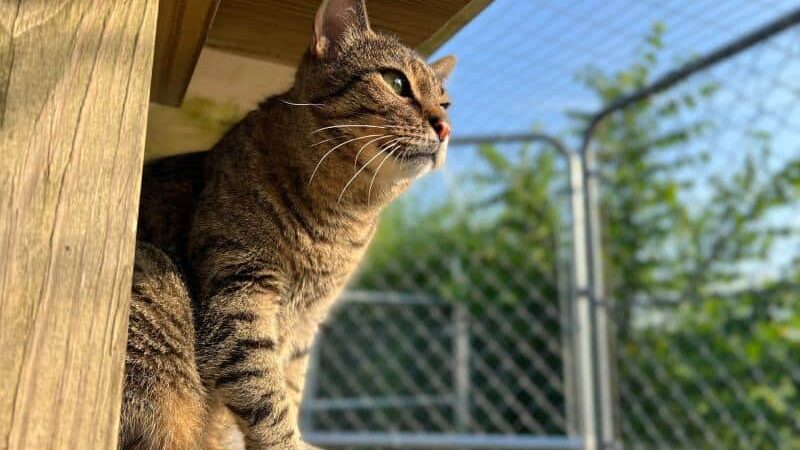
Indoor cats consistently live longer than outdoor cats, and this is supported by veterinary research and pet care statistics worldwide. While outdoor life may seem exciting and natural for cats, it exposes them to dangers that significantly reduce life expectancy. Indoor cats often live between 12 to 20 years, while outdoor cats commonly have much shorter lifespans due to accidents, diseases, predators, and environmental hazards.
One of the biggest reasons indoor cats live longer is protection from traffic accidents. Roads are among the greatest threats to outdoor cats. Even cats with strong instincts cannot always predict moving vehicles. Many outdoor cats suffer fatal injuries from traffic every year. Indoor cats avoid this risk entirely because they remain in a controlled environment.
Exposure to infectious diseases is another major concern. Outdoor cats can come into contact with stray animals carrying serious illnesses such as feline leukemia virus, feline immunodeficiency virus, and respiratory infections. These diseases can shorten a cat’s life significantly and often spread through fights, bites, and close contact with infected animals. Indoor cats have far less exposure to these threats.
Predators also create serious risks for outdoor cats. Depending on the region, cats may encounter dogs, foxes, coyotes, birds of prey, and even aggressive humans. These dangers can result in severe injuries or death. Indoor cats are safe from these unpredictable encounters.
Weather conditions also affect outdoor cat health. Extreme heat, freezing temperatures, heavy rain, and storms can weaken a cat’s immune system. Prolonged exposure can lead to dehydration, hypothermia, and other life-threatening conditions. Indoor cats enjoy climate-controlled environments that protect them year-round.
Nutrition is generally better managed indoors. Owners can monitor food intake, ensure a balanced diet, and provide fresh water consistently. Outdoor cats may rely on scavenging or hunting, which often leads to inconsistent nutrition and possible ingestion of harmful substances.
Parasites are another issue. Outdoor cats are more likely to suffer from fleas, ticks, worms, and mites. These parasites can cause discomfort, skin infections, and transmit dangerous diseases. Indoor cats are less likely to experience severe infestations when properly cared for.
Indoor cats also benefit from regular veterinary care. Owners can monitor changes in behavior, appetite, and health more closely. Early detection of medical issues greatly improves treatment success. Outdoor cats may hide symptoms until illnesses become severe.
Some people worry indoor cats become bored, but enrichment solves this problem. Cat trees, toys, scratching posts, puzzle feeders, and window perches can create stimulating indoor environments. Interactive play sessions help satisfy hunting instincts while keeping cats mentally and physically active.
Many veterinarians recommend keeping cats indoors because it offers the safest and healthiest lifestyle. Indoor living provides security, comfort, and longevity while still allowing cats to live happy and fulfilling lives through proper enrichment and attention.
Best Diet Plans for Indoor Cats in 2026
Indoor cats have different nutritional needs compared to outdoor cats. Because they are typically less active and burn fewer calories, they require carefully balanced diets that maintain healthy weight, muscle mass, and overall wellness. In 2026, modern cat nutrition focuses on high-protein, species-appropriate diets designed specifically for indoor lifestyles.
Protein remains the foundation of any healthy feline diet. Cats are obligate carnivores, meaning they require animal-based protein to survive and thrive. A quality indoor cat diet should list real meat such as chicken, turkey, salmon, or beef as the first ingredient. Protein supports muscle maintenance, organ health, and energy levels.
Indoor cats often struggle with weight gain. Since they move less than outdoor cats, excess calories quickly lead to obesity. Portion control is critical. Feeding measured portions rather than free-feeding helps regulate calorie intake. Most veterinarians recommend dividing daily meals into two or three scheduled feedings.
Wet food is highly recommended for indoor cats because it provides hydration. Cats naturally have low thirst drives and often do not drink enough water. Wet food contains significant moisture, supporting kidney and urinary tract health. Combining wet food with high-quality dry food often creates the ideal nutritional balance.
Fiber plays an important role in indoor cat diets. Hairballs are common because indoor cats spend more time grooming. Fiber helps move ingested hair through the digestive system naturally. Ingredients such as pumpkin, beet pulp, and cellulose can reduce hairball issues.
Healthy fats are also essential. Omega-3 and omega-6 fatty acids support skin health, coat shine, and cognitive function. Fish oils and chicken fat are excellent sources of beneficial fats. However, fat levels should remain balanced to prevent unnecessary weight gain.
Indoor cat diets should avoid unnecessary fillers. Corn, soy, and excessive grains often provide little nutritional value and can contribute to digestive issues in some cats. High-quality formulas prioritize digestible ingredients.
Life stage matters when choosing a diet. Kittens require calorie-dense food rich in nutrients for growth. Adult indoor cats need balanced maintenance diets. Senior cats often benefit from formulas supporting joint health, digestion, and kidney function.
Specialized diets are increasingly popular in 2026. Functional foods now include formulas designed for urinary health, dental support, digestive sensitivity, and weight control. Consulting a veterinarian helps determine the most appropriate option.
Treats should remain limited. Many cat treats contain excessive calories and additives. Healthy alternatives include freeze-dried meat treats, small portions of cooked chicken, or veterinarian-approved low-calorie options.
Hydration support goes beyond food. Water fountains encourage drinking because many cats prefer moving water. Fresh water should always be accessible.
A sample daily indoor cat diet may include wet food in the morning, measured dry food in the afternoon, and a small wet food portion in the evening. Adjustments depend on age, activity level, and health conditions.
The best indoor cat diet in 2026 emphasizes quality protein, hydration, balanced calories, and life-stage nutrition. Proper feeding habits not only prevent obesity but also support long-term health and longevity.
How to Stop Cats From Scratching Furniture Naturally
Scratching is a completely natural cat behavior, but it can become frustrating when furniture becomes the target. Cats scratch to mark territory, stretch muscles, sharpen claws, and relieve stress. Understanding why cats scratch is the first step toward solving the problem naturally.
Cats have scent glands in their paws. When they scratch, they leave both visible marks and scent signals. This is a form of communication and territory marking. Punishing a cat for scratching often creates anxiety without solving the behavior.
Providing appropriate scratching alternatives is the most effective natural solution. Scratching posts should be sturdy, tall enough for full-body stretching, and covered in appealing materials like sisal rope or cardboard. Wobbly posts often fail because cats prefer stable surfaces.
Placement matters. Cats often scratch in visible, socially important areas such as living rooms. Place scratching posts near the furniture your cat targets. This offers an immediate alternative.
Different cats prefer different scratching textures. Some enjoy vertical sisal posts, while others prefer horizontal cardboard scratchers. Offering multiple options helps identify your cat’s preference.
Catnip can make scratching posts more attractive. Sprinkling catnip or using catnip spray encourages exploration and positive association.
Furniture deterrents work well when used consistently. Double-sided tape is unpleasant for cats because they dislike sticky surfaces. Aluminum foil can also discourage scratching due to its unusual texture and sound.
Natural citrus scents may help. Many cats dislike citrus smells, so using diluted citrus sprays on furniture can deter scratching. Always ensure products are safe and non-toxic.
Trimming claws regularly reduces damage. Shorter claws cause less destruction and make scratching less satisfying. Proper nail trimming every few weeks is beneficial.
Interactive play reduces stress-related scratching. Cats often scratch more when bored or anxious. Daily play sessions with feather toys, laser toys, and interactive games help release energy.
Environmental enrichment is equally important. Climbing trees, window perches, puzzle feeders, and hiding spaces reduce boredom and provide healthy outlets.
Reward positive scratching behavior. When your cat uses the scratching post, offer praise, treats, or affection. Positive reinforcement builds strong habits.
Avoid declawing, as it is painful and can lead to behavioral problems including aggression and litter box avoidance.
Consistency is key. Redirect your cat calmly every time inappropriate scratching occurs. Over time, your cat will learn preferred scratching locations.
With patience, proper alternatives, and natural deterrents, most cats can be successfully redirected away from furniture while still satisfying their instinctive scratching needs.
Signs Your Cat May Be Stressed and How to Help
Cats are highly sensitive animals, and stress can significantly affect their health and behavior. Because cats often hide discomfort, recognizing stress signals early is essential for maintaining their well-being.
Changes in appetite are one of the first warning signs. A stressed cat may eat less, refuse food entirely, or overeat for comfort. Appetite changes lasting more than a day should be monitored closely.
Hiding is another common indicator. While many cats naturally enjoy quiet spaces, excessive hiding often suggests anxiety or fear. If your cat suddenly spends most of the day concealed, stress may be the cause.
Over-grooming can signal emotional distress. Some cats lick excessively, creating bald patches or irritated skin. This repetitive behavior often functions as self-soothing.
Aggression may also emerge. A normally friendly cat that begins hissing, swatting, or biting could be experiencing stress from environmental changes.
Litter box issues are a frequent sign. Stress can cause inappropriate urination or defecation outside the litter box. This behavior often indicates emotional discomfort rather than disobedience.
Excessive vocalization is another clue. Some stressed cats meow more than usual, especially at night.
Common stress triggers include moving homes, introducing new pets, loud noises, unfamiliar visitors, and disruptions to routine.
Providing safe spaces helps stressed cats feel secure. Quiet hiding spots, covered beds, and elevated perches offer comfort.
Routine is extremely important. Feeding, playtime, and interaction should happen consistently.
Interactive play reduces anxiety by providing mental stimulation and physical exercise.
Pheromone diffusers can create calming environments by mimicking natural feline comfort signals.
Gradual introductions to changes reduce overwhelm. New pets, furniture, or routines should be introduced slowly.
Avoid forcing interaction. Let stressed cats approach on their own terms.
If stress symptoms persist, veterinary evaluation is important to rule out medical conditions.
Reducing feline stress improves quality of life and strengthens trust between cats and owners.
Best Cat Breeds for Apartment Living
Apartment living can be ideal for cats, but some breeds adapt better than others. The best apartment cats tend to have calm temperaments, moderate activity levels, and adaptability to smaller spaces.
The British Shorthair is one of the top choices. Known for its calm and independent personality, this breed adapts well to indoor life and does not require excessive stimulation.
The Ragdoll is famous for its relaxed nature. These cats are affectionate, quiet, and content lounging indoors.
The Scottish Fold is gentle and adaptable. Their calm demeanor makes them excellent apartment companions.
The Persian cat thrives indoors due to its low-energy lifestyle. They prefer peaceful environments and enjoy lounging comfortably.
The Russian Blue is intelligent, quiet, and clean. They often form strong bonds with owners while remaining respectful of personal space.
The Exotic Shorthair offers Persian-like calmness with easier grooming needs.
The Burmese cat is affectionate and playful without being excessively demanding.
Apartment cats still need enrichment. Vertical space is essential. Cat trees, shelves, and window perches maximize available territory.
Interactive toys help prevent boredom. Puzzle feeders and scheduled play sessions keep apartment cats active.
Litter box placement matters in small spaces. Quiet, accessible areas improve comfort.
Noise sensitivity should be considered. Some breeds tolerate urban sounds better than others.
Choosing the right apartment cat depends on lifestyle. Calm breeds suit quieter homes, while playful breeds fit active households.
With proper enrichment, many cats thrive in apartments regardless of breed. However, selecting naturally adaptable breeds often makes the transition easier and creates a more harmonious living environment.