Cooked Chicken
Cooked chicken is one of the safest and healthiest human foods cats can eat. Since cats are obligate carnivores, animal protein is an essential part of their diet. Plain boiled or baked chicken provides high-quality protein that supports muscle growth, energy, and overall health.
Chicken should always be served without seasoning, garlic, onions, or heavy oils because these ingredients can be toxic to cats. Boneless chicken is safer because small bones may become choking hazards.
Many cat owners use shredded chicken as a treat, food topper, or appetite booster for picky eaters. It can also help sick cats regain interest in food because of its soft texture and appealing smell.
Freshly cooked chicken is usually healthier than processed deli meat, which often contains high sodium levels and preservatives.
Cooked Fish
Fish is another protein-rich food many cats enjoy. Salmon, tuna, and sardines contain omega-3 fatty acids that support healthy skin, shiny fur, and brain function.
Cooked fish should always be plain and free from sauces or spices. Raw fish is not recommended regularly because it may contain harmful bacteria or parasites.
Small portions of cooked salmon can serve as occasional treats for cats. Sardines packed in water without added salt are also popular among cat owners.
Although fish is nutritious, it should not replace balanced cat food entirely. Too much tuna, for example, can lead to nutritional imbalances over time.
Moderation is important when feeding seafood to cats.
Eggs
Cooked eggs are a nutritious snack for cats because they contain protein, healthy fats, vitamins, and amino acids.
Scrambled or boiled eggs without seasoning are the safest options. Raw eggs should be avoided because they may carry salmonella and can interfere with nutrient absorption.
Eggs can help support muscle maintenance and provide energy for active cats. Some cat owners mix small amounts of egg into regular cat food to improve taste and nutrition.
Because eggs are calorie-dense, they should only be offered occasionally to prevent unnecessary weight gain.
Pumpkin
Pumpkin is widely recommended by veterinarians for digestive health in cats. Plain cooked pumpkin or pure pumpkin puree contains fiber that can help with constipation and mild diarrhea.
Many commercial cat foods already include pumpkin because it supports healthy digestion.
Only plain pumpkin should be used. Pumpkin pie filling is unsafe because it often contains sugar and spices.
Cats usually require very small portions. Mixing a teaspoon of pumpkin puree into food is often enough to provide digestive benefits.
Pumpkin can also help overweight cats feel fuller for longer because of its fiber content.
Carrots
Cooked carrots are safe for cats in small quantities. They contain vitamins, fiber, and antioxidants that may support immune health.
Cats cannot digest raw carrots easily, so steaming or boiling them until soft is recommended.
Carrots should be cut into tiny pieces to prevent choking. Since cats are carnivores, vegetables should only make up a very small portion of their diet.
Some cats enjoy the soft texture and mild sweetness of cooked carrots, while others may ignore them completely.
Rice
Plain cooked rice can be useful for cats experiencing digestive upset. It is easy to digest and sometimes recommended alongside plain chicken during mild stomach problems.
Rice should only be offered in small amounts because cats do not require large quantities of carbohydrates.
Brown rice contains more fiber, while white rice is gentler on sensitive stomachs. Both should be cooked fully and served plain.
Rice should never replace nutritionally complete cat food for long periods.
Apples
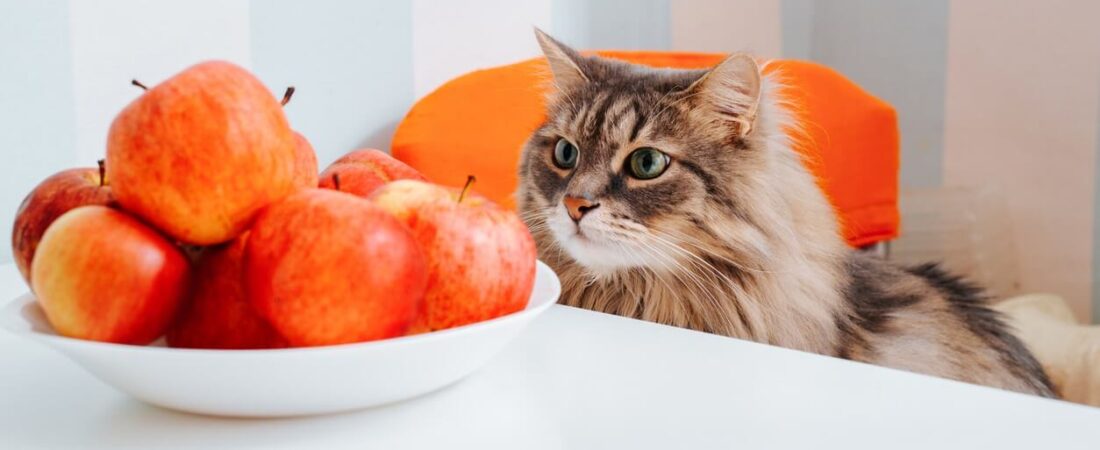
Small amounts of apples are generally safe for cats. Apples contain fiber, vitamins, and water that can contribute to hydration.
The seeds and core must always be removed because apple seeds contain compounds that are toxic to pets.
Many cats are not highly interested in fruit because they cannot taste sweetness the same way humans do. However, some enjoy chewing small apple slices occasionally.
Fresh apples are healthier than processed applesauce products containing added sugar.
Blueberries
Blueberries are rich in antioxidants and considered safe for cats in moderation.
These berries contain vitamins and compounds that support immune health and may help reduce inflammation.
Some cats enjoy batting blueberries around like toys before eating them. Because of their small size and soft texture, blueberries are easy for cats to consume safely.
Frozen blueberries can also be used as refreshing treats during hot weather.
As with all treats, portion control is important.
Cheese
Many cats are attracted to cheese because of its smell and fat content. Small amounts of plain cheese are usually safe for most cats.
However, some cats are lactose intolerant and may experience digestive issues such as diarrhea after consuming dairy products.
Cheese should only be given occasionally and in tiny portions. Low-fat cheeses are generally better choices.
Highly processed cheese products containing salt, flavorings, or artificial ingredients should be avoided.
Oatmeal
Plain cooked oatmeal is safe for cats in small amounts. It contains fiber, iron, and certain vitamins.
Oatmeal should be prepared with water instead of milk because many cats cannot digest lactose properly.
Some commercial pet foods include oats as ingredients because they provide nutrients and support digestion.
Cats usually do not need grains in large quantities, so oatmeal should remain an occasional treat rather than a dietary staple.
Foods Cats Should Never Eat
While some human foods are safe, others are extremely dangerous for cats.
Chocolate contains compounds toxic to cats and should never be offered.
Onions and garlic can damage red blood cells and cause serious health problems.
Grapes and raisins may lead to kidney failure in pets.
Alcohol, caffeine, raw dough, and artificial sweeteners such as xylitol are also highly toxic.
Bones from cooked meat can splinter and cause choking or internal injuries.
Understanding harmful foods is just as important as knowing safe options.
Tips for Feeding Human Foods Safely
Human foods should only be given as treats and not as complete meal replacements.
New foods should be introduced gradually to monitor for allergies or digestive problems.
Portion sizes should remain small because cats have different nutritional needs than humans.
Fresh water should always be available when offering treats.
Consulting a veterinarian before making significant dietary changes is recommended, especially for cats with medical conditions.
Benefits of Healthy Treats for Cats
Occasional healthy treats can provide variety and enrichment for cats.
Protein-rich snacks may strengthen the bond between owners and pets during training or playtime.
Some healthy foods also provide additional nutrients that support digestion, skin health, and hydration.
Using nutritious treats instead of processed snacks can help maintain a healthier weight and overall wellness.
Common Feeding Mistakes
Many owners accidentally feed cats heavily seasoned foods that contain harmful ingredients.
Overfeeding treats is another common problem that contributes to obesity.
Assuming all fruits and vegetables are safe can also be dangerous because some foods are toxic.
Suddenly introducing large amounts of unfamiliar food may upset a cat’s stomach.
Balanced commercial cat food should always remain the primary source of nutrition.
FAQ
Can cats eat cooked chicken every day?
Yes, cooked chicken is safe, but cats still require balanced nutrition from complete cat food.
Is tuna safe for cats?
Small amounts of tuna are usually safe occasionally, but excessive tuna can cause nutritional imbalances.
Can cats drink milk?
Many cats are lactose intolerant, so milk may cause digestive problems.
Are fruits healthy for cats?
Certain fruits like blueberries and apples are safe in moderation, but cats do not require fruit in their diet.
What human food is toxic to cats?
Chocolate, onions, garlic, grapes, raisins, alcohol, and xylitol are highly dangerous for cats.
Conclusion
Several human foods can be safe and healthy for cats when offered correctly and in moderation. Protein-rich foods like chicken, fish, and eggs are especially beneficial because they align with a cat’s natural dietary needs. Understanding safe options and avoiding toxic ingredients helps owners provide occasional treats without risking their pet’s health.