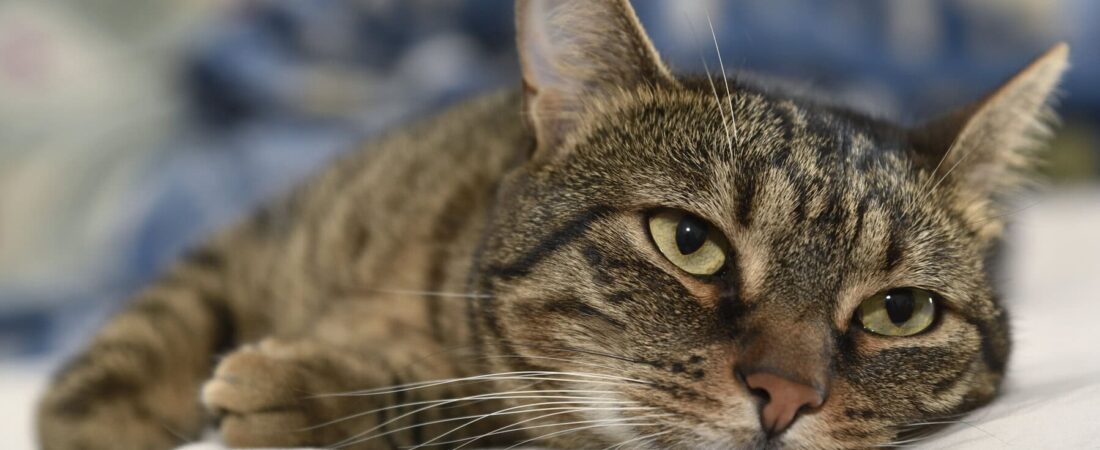
Understanding Indoor Cat Boredom
Indoor cat boredom syndrome refers to a behavioral and psychological condition in domestic cats caused by prolonged lack of stimulation, limited environmental complexity, and repetitive daily routines. While cats are often adapted to indoor living, their natural instincts are still designed for exploration, hunting, and environmental problem-solving.
When these instincts are consistently underused, cats may develop behavioral imbalances that manifest as destructive actions, overgrooming, attention-seeking, or lethargy.
This condition is increasingly common in modern households where cats live entirely indoors without adequate enrichment systems.
The Evolutionary Mismatch Problem
Cats evolved as active hunters that spend a significant portion of their time tracking, stalking, and capturing prey. This involves constant sensory engagement, movement, and decision-making.
Indoor environments, however, often provide predictable patterns: fixed feeding times, static furniture, and limited novel stimuli.
This mismatch between evolutionary design and modern lifestyle creates cognitive underload.
The brain remains alert and ready for stimulation, but the environment fails to provide sufficient engagement.
Cognitive Understimulation and Its Effects
Cognitive underload occurs when a cat’s brain receives insufficient challenges to maintain optimal mental engagement.
This can lead to restlessness, frustration, or disengagement.
Some cats respond by sleeping excessively, while others exhibit disruptive behaviors to self-generate stimulation.
In both cases, the underlying issue is not laziness or misbehavior, but a lack of environmental complexity.
Behavioral Symptoms of Boredom Syndrome
Indoor cat boredom syndrome presents through multiple observable behaviors.
Excessive scratching of furniture or walls is a common symptom.
Sudden bursts of energy, often referred to as zoomies, may occur more frequently.
Some cats become overly vocal, meowing persistently to gain attention.
Others may display destructive curiosity, knocking objects over or investigating restricted areas.
In more severe cases, cats may withdraw and show signs of depression-like behavior.
Overeating and Food Obsession
Food becomes a primary source of stimulation for bored cats.
When environmental enrichment is lacking, eating behavior may increase beyond nutritional needs.
This creates a cycle of boredom and feeding that reinforces inactivity.
Some cats begin associating human interaction with food requests as their main form of engagement.
This can lead to weight gain and additional health complications.
Overgrooming as a Self-Soothing Mechanism
Overgrooming is a common behavioral response to boredom and stress.
Cats may excessively lick or bite their fur, especially in easily accessible areas.
This behavior releases endorphins, temporarily reducing internal tension.
However, chronic overgrooming can lead to skin irritation or hair loss.
It is often mistaken for skin disease but may have psychological origins.
The Role of Environmental Predictability
Highly predictable environments contribute significantly to boredom syndrome.
Cats thrive on variation in sensory input, movement opportunities, and exploratory challenges.
When every day follows the same pattern with minimal change, cognitive engagement decreases.
Predictability reduces the need for problem-solving, which is a core part of feline intelligence.
Lack of Hunting Simulation
One of the most important missing elements in indoor environments is hunting simulation.
In the wild, cats engage in stalking, chasing, and capturing behaviors multiple times a day.
Without these activities, predatory instincts remain unexpressed.
This leads to internal frustration that may manifest as inappropriate play behavior or aggression.
Attention-Seeking Behavior Development
Bored cats often develop strong attention-seeking behaviors.
They may interrupt human activities, sit on keyboards, or follow owners constantly.
Even negative attention is often sufficient reinforcement to maintain these behaviors.
Over time, the cat learns that disruptive actions are effective communication tools.
Sleep-Wake Cycle Disruption
Indoor boredom can also affect sleep patterns.
Cats may sleep excessively during the day and become active at night.
This reversal of natural activity cycles is influenced by lack of stimulation and irregular engagement.
Nighttime activity often includes running, vocalizing, or object interaction.
Emotional Flattening and Reduced Curiosity
In severe cases, boredom leads to reduced curiosity and emotional flattening.
Cats may lose interest in toys, exploration, or interaction.
This state is often mistaken for calmness but may actually indicate disengagement.
Without intervention, long-term behavioral decline may occur.
The Role of Sensory Enrichment
Sensory enrichment is essential for preventing boredom syndrome.
Visual stimulation through windows or moving objects helps maintain interest.
Auditory stimulation such as natural sounds or interactive toys engages hearing senses.
Tactile stimulation through different textures encourages physical interaction.
Smell-based enrichment is also highly effective in activating exploration behavior.
Vertical Space and Environmental Complexity
Cats naturally prefer elevated positions for observation and safety.
Lack of vertical space reduces environmental richness and exploration opportunities.
Cat trees, shelves, and climbing structures significantly improve cognitive engagement.
Vertical complexity allows cats to simulate natural territory scanning behavior.
The Importance of Routine Variation
While routine is important for security, excessive repetition leads to boredom.
Small variations in feeding times, play sessions, and environmental setup can increase mental stimulation.
Rotating toys and changing play locations prevents habituation.
Controlled unpredictability supports healthy cognitive engagement.
Human Interaction Deficit
Many indoor cats suffer from insufficient interactive play with humans.
Passive presence is not enough to stimulate hunting instincts.
Active engagement through play sessions is necessary for emotional balance.
Interactive play mimics natural predatory sequences and fulfills instinctual needs.
Technology and Artificial Stimulation
Modern solutions include automated toys, laser systems, and motion-triggered devices.
These tools can help reduce boredom when human interaction is limited.
However, they should not fully replace social engagement, as emotional bonding is also important.
Balanced use of technology enhances overall enrichment.
Behavioral Correction Strategies
Addressing boredom syndrome requires a multi-layered approach.
Increasing play frequency is one of the most effective interventions.
Environmental redesign improves stimulation levels significantly.
Introducing feeding puzzles converts eating into a cognitive task.
Gradual implementation ensures behavioral adaptation without stress.
Misinterpretation by Owners
Owners often misinterpret boredom-related behavior as mischief or disobedience.
In reality, these behaviors are attempts to self-stimulate or communicate needs.
Punishment-based responses can worsen the problem by increasing stress.
Understanding the underlying cause is essential for proper management.
Long-Term Psychological Impact
If left unaddressed, boredom syndrome can affect a cat’s emotional stability.
Chronic under-stimulation may lead to anxiety, depression-like behavior, or aggression.
Early intervention prevents long-term behavioral complications.
Enrichment improves overall quality of life and cognitive health.
Prevention Strategies
Preventing boredom is more effective than treating it.
Providing daily interactive play sessions is essential.
Environmental enrichment should be consistent and varied.
Observation of behavioral changes helps detect early signs.
Preventive care ensures long-term psychological well-being.
FAQ
What is indoor cat boredom syndrome?
It is a behavioral condition caused by lack of stimulation in indoor environments.
Can boredom make cats destructive?
Yes, it can lead to scratching, knocking objects, and attention-seeking behavior.
How do I know if my cat is bored?
Signs include excessive sleeping, destructive behavior, or constant attention seeking.
Can toys fix boredom completely?
They help significantly but must be combined with interaction and environmental changes.
Is boredom dangerous for cats?
Long-term boredom can negatively affect mental and physical health.
Conclusion
Indoor cat boredom syndrome is a modern behavioral issue caused by mismatch between natural feline instincts and limited indoor environments. It affects cognition, behavior, and emotional stability. Through enrichment, interaction, and environmental design, this condition can be effectively managed, leading to healthier and more engaged domestic cats.