The Origins of Cat Content Online
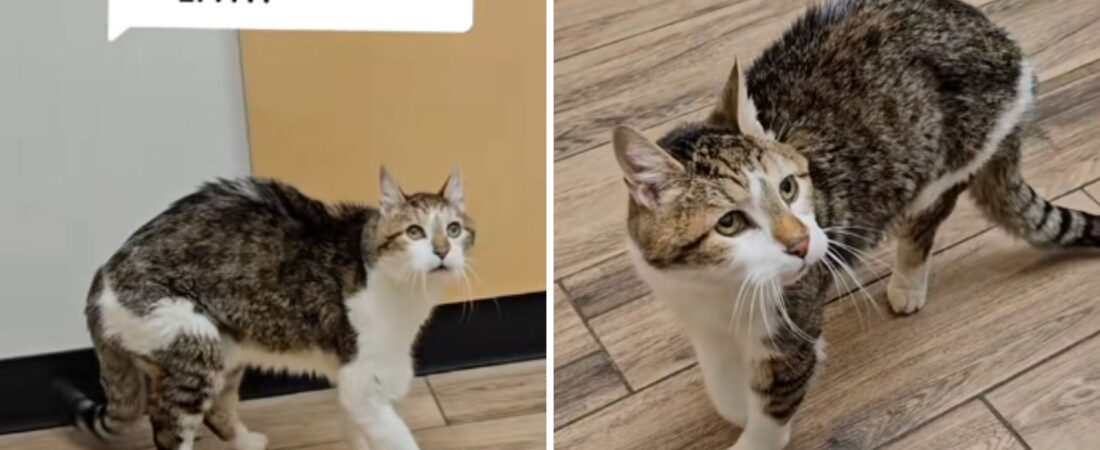
Cat memes did not appear suddenly; they evolved alongside the internet itself. In the early days of online culture, cats were already present in forums, image boards, and early social platforms. However, their popularity was limited by slower internet speeds and lower-quality media sharing.
Early cat content was mostly static images shared on forums like Something Awful and early Reddit communities. These images often featured simple captions and low-resolution photos, but they still managed to gain attention because cats naturally attract human interest.
The foundation of cat meme culture was already being built during this period, even before viral content became mainstream.
The Rise of LOLcats (2005–2010)
One of the most important milestones in cat meme history was the emergence of LOLcats.
LOLCats featured images of cats with humorous, intentionally broken English captions such as “I can has cheezburger?”
This format became extremely popular because it combined visual humor with simple, readable text.
The success of LOLcats was driven by early meme-sharing websites like icanhascheezburger.com, which allowed users to create and share their own captions.
This era established the core formula of cat memes: expressive cat + simple text = viral content.
Why LOLcats Worked So Well
LOLCats succeeded because they matched early internet communication styles.
The broken language format made content feel playful and accessible.
Cats naturally provided expressive faces that aligned with humorous captions.
This combination created a strong emotional connection with viewers.
It also introduced the idea that cats could “speak” in human-like thoughts, reinforcing anthropomorphism.
Transition to Social Media (2010–2015)
As platforms like Facebook, Twitter, and Instagram grew, cat content became more widespread and visually refined.
High-resolution images and short videos replaced static forum posts.
Memes became more structured, often using standardized formats like image macros with top and bottom text.
Cats began to appear in reaction memes, representing emotions such as confusion, anger, or judgment.
This period marked the transition from niche internet humor to mainstream digital culture.
The Viral Video Explosion
The rise of YouTube and early video-sharing platforms changed cat content dramatically.
Videos like “Keyboard Cat” and “Nyan Cat” became global sensations.
These videos combined music, repetition, and simple visuals to create addictive viewing experiences.
Keyboard Cat, in particular, became a symbol of comedic timing and internet humor.
These viral hits proved that cats were not just static meme subjects but also dynamic entertainment figures.
The Instagram Cat Era (2015–2020)
Instagram played a major role in professionalizing cat content.
Cat influencers began to emerge, with accounts dedicated entirely to individual cats.
High-quality photography, curated aesthetics, and personality branding became important.
Cats were no longer just meme subjects—they became online personalities with followers and fanbases.
Famous cats like Grumpy Cat and Lil Bub defined this era.
Grumpy Cat’s permanently displeased expression became one of the most iconic meme faces in internet history.
The Role of Personality Branding
During the Instagram era, cats were given distinct personalities.
Owners and audiences created narratives around each cat’s behavior.
A cat could be “lazy,” “angry,” “chaotic,” or “royal,” depending on its expressions and actions.
This branding made cat content more engaging and emotionally sticky.
It also increased shareability across social platforms.
Meme Standardization and Format Evolution
As memes evolved, certain formats became standardized.
Reaction images, captioned photos, and multi-panel comics became common.
Cats were often used as visual representations of human emotions.
This allowed meme creators to communicate complex feelings instantly using a single image.
Cats became universal emotional symbols in digital communication.
TikTok and Short-Form Video Era (2020–Present)
The rise of TikTok and similar platforms transformed cat content once again.
Short-form video content emphasized fast engagement and looping behavior.
Cats became ideal subjects due to their unpredictable and dynamic actions.
Zoomies, jumps, reactions, and vocalizations became viral trends.
Sound effects, captions, and editing enhanced comedic timing.
Why Cats Dominate Short-Form Content
Cats fit perfectly into the attention structure of short-form media.
They can produce interesting or funny behavior within seconds.
Their unpredictability keeps viewers watching longer.
Even simple actions like blinking or turning their head can become viral moments.
This makes them highly efficient content generators.
Algorithmic Amplification of Cat Content
Modern platforms use algorithms that prioritize engagement metrics such as watch time, shares, and likes.
Cat videos naturally perform well on these metrics due to emotional appeal and replay value.
As a result, algorithms push cat content to wider audiences, increasing virality.
This creates a feedback loop where more cat content is produced because it performs well.
Meme Evolution Through Remix Culture
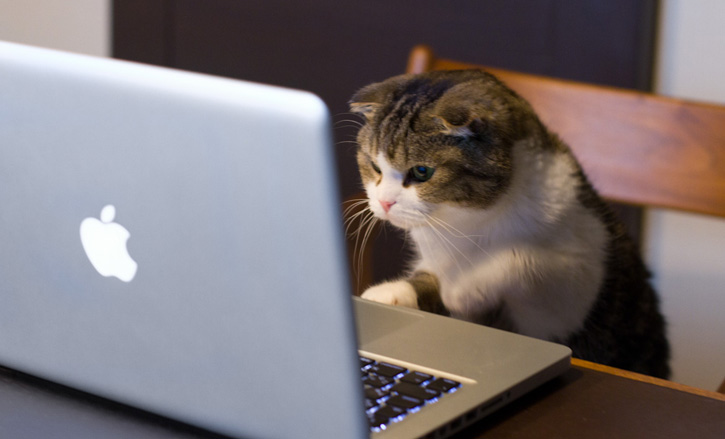
Cat memes are highly adaptable and frequently remixed.
Users add captions, voiceovers, edits, and sound effects to existing cat footage.
This remix culture allows a single cat clip to generate hundreds of meme variations.
Each version may carry different meanings depending on context and editing style.
Globalization of Cat Memes
Cat memes are not limited to one culture or language.
They are globally understood due to visual clarity and emotional universality.
A confused or playful cat is recognizable regardless of linguistic background.
This global appeal has made cats one of the most universal symbols of internet humor.
The Psychology Behind Meme Longevity
Cat memes remain popular because they satisfy multiple psychological needs.
They provide humor, emotional comfort, and visual satisfaction.
They also create a sense of shared cultural understanding across internet communities.
This combination ensures long-term relevance and repeated engagement.
Why Cat Memes Keep Evolving
Cat memes continue to evolve because both technology and human creativity evolve.
New platforms introduce new formats, while cats continue to provide unpredictable content.
Each generation of internet users reinterprets cat behavior through its own cultural lens.
This ensures that cat memes remain fresh and constantly reinvented.
Future of Cat Meme Culture
The future of cat memes is likely to involve AI-generated content, augmented reality, and interactive media.
Cats may appear in virtual environments or be digitally enhanced for storytelling.
However, the core appeal will remain unchanged: expressive, unpredictable feline behavior.
As long as cats continue to exist in human environments, meme culture will continue to evolve around them.
FAQ
What was the first cat meme?
LOLCats are considered one of the earliest major cat meme formats.
Why did Grumpy Cat become so famous?
Because her expression perfectly matched human emotional interpretation of sarcasm and dissatisfaction.
Why are cat memes so universal?
Because they rely on visual emotion rather than language.
Are cat memes still popular today?
Yes, especially in short-form video platforms like TikTok.
Will cat memes ever disappear?
Unlikely, as they adapt to new platforms and formats continuously.
Conclusion
Cat meme culture has evolved through multiple digital eras, from early forums to modern AI-driven platforms. Despite changes in technology and format, the core appeal of cats remains constant: expressive faces, unpredictable behavior, and strong emotional resonance. This ensures that cats will continue to dominate internet culture for years to come.