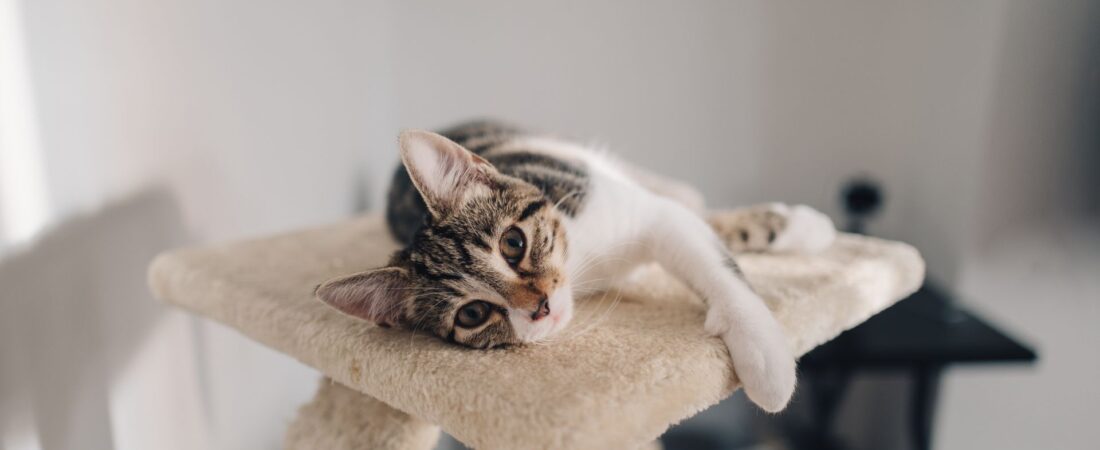
Persian Cat
Persian cats are among the most popular apartment-friendly cat breeds because of their calm and relaxed personality. They enjoy peaceful environments and prefer lounging on soft furniture instead of running around the house. Their quiet behavior makes them ideal for people living in small apartments with neighbors nearby.
Persian cats are affectionate but not overly demanding. They love spending time with their owners and usually form strong bonds with family members. Since they are low-energy cats, they adapt well to indoor living and rarely create chaos inside the home.
One important thing to remember is grooming. Persian cats have long and thick fur that requires regular brushing to avoid tangles and hair mats. Investing in quality grooming tools and cat-safe shampoos is essential for maintaining their beautiful coat.
These cats also enjoy comfortable sleeping areas. Soft cat beds, window hammocks, and quiet corners can make apartment life more enjoyable for them. Since they are not highly active climbers, they do not require huge spaces to stay happy.
Persians are also suitable for people who work from home because they enjoy companionship without being too hyperactive. Their gentle temperament makes them excellent pets for singles, couples, and even elderly cat lovers.
British Shorthair
The British Shorthair is another excellent cat breed for apartment living. This breed is famous for its round face, plush coat, and calm behavior. British Shorthairs are independent cats that can comfortably stay alone for several hours while their owners are busy.
Unlike highly energetic breeds, British Shorthairs prefer moderate activity. They enjoy playing with toys for short periods and then relaxing nearby. Their balanced energy level helps prevent destructive behavior inside apartments.
These cats are generally quiet and rarely meow excessively, which is beneficial for apartment dwellers. Their peaceful nature also allows them to adapt easily to smaller spaces without stress.
British Shorthairs have short dense fur that is easier to maintain compared to long-haired breeds. Weekly brushing is usually enough to keep their coat healthy and shiny.
Another advantage is their friendly personality. They usually get along well with children and other pets when introduced properly. Their patient attitude makes them a good choice for families living in apartments.
Ragdoll Cat
Ragdolls are famous for their affectionate and gentle nature. They are often called “puppy-like” cats because they enjoy following their owners around the house. Despite their large size, they are calm indoor cats that fit well into apartment environments.
Ragdolls are highly social and enjoy human interaction. They dislike loneliness, so they are ideal for people who spend a lot of time at home. Their soft temperament also makes them suitable for homes with children.
This breed is not known for aggressive behavior or excessive noise. Ragdolls communicate softly and usually maintain a peaceful atmosphere indoors.
Their semi-long fur is softer and less prone to matting compared to Persian cats, but regular brushing is still necessary. Good nutrition and grooming products can help maintain their coat quality.
Ragdolls enjoy climbing moderately, so medium-sized cat trees and scratching posts are useful additions to an apartment setup. Interactive toys also help keep them mentally stimulated.
Scottish Fold
Scottish Fold cats are instantly recognizable because of their folded ears and adorable facial expressions. They are quiet, loving, and adaptable pets that thrive in apartment settings.
Scottish Folds enjoy human company but are not overly energetic. They are playful during certain periods of the day but usually spend most of their time relaxing.
These cats are highly adaptable and can adjust to different living conditions quickly. Whether living in a studio apartment or a larger flat, they usually remain comfortable as long as they receive attention and entertainment.
Scottish Folds are intelligent cats that enjoy puzzle toys and interactive games. Mental stimulation is important to prevent boredom indoors.
Their coat maintenance depends on whether they are short-haired or long-haired. Short-haired Scottish Folds require minimal grooming, making them easier for beginner cat owners.
Russian Blue
Russian Blue cats are elegant, intelligent, and highly suitable for apartment living. They are known for their soft blue-gray coat and bright green eyes.
These cats are naturally quiet and reserved. They usually avoid unnecessary noise and prefer peaceful surroundings. Their calm personality makes them excellent companions for people living in apartments with thin walls.
Russian Blues are loyal to their owners and often form deep emotional connections. However, they may be shy around strangers initially.
This breed is also relatively low-maintenance. Their short plush coat requires minimal grooming and sheds less compared to many other breeds.
Russian Blues are playful but not destructive. They enjoy climbing towers, chasing toys, and observing the outside world through windows. Creating vertical spaces can improve their apartment experience.
Maine Coon
Although Maine Coons are large cats, they can still adapt surprisingly well to apartment life when given proper exercise and stimulation. They are affectionate, intelligent, and friendly companions.
Maine Coons enjoy interactive play sessions and can learn tricks, making them entertaining indoor pets. They are social cats that usually enjoy spending time with family members.
Because of their size, they benefit from sturdy cat trees and spacious sleeping areas. Apartment owners should ensure enough vertical space for climbing and exploration.
Their thick fur requires regular grooming to prevent shedding and matting. High-quality brushes and grooming gloves are useful tools for Maine Coon owners.
Despite their large appearance, Maine Coons are generally gentle and adaptable. Their playful personality helps them remain happy indoors.
Exotic Shorthair
Exotic Shorthairs are often described as short-haired Persians because they share many physical and personality traits. They are affectionate, calm, and ideal for apartment environments.
These cats enjoy relaxing near their owners and usually maintain low activity levels. Their peaceful nature makes them suitable for small homes and quiet lifestyles.
Unlike Persian cats, Exotic Shorthairs have shorter coats that require less grooming. This makes them easier to maintain while still offering a fluffy appearance.
They are loving cats that enjoy attention and cuddles. Many apartment owners prefer them because they are gentle and easygoing.
Providing scratching posts, cozy beds, and interactive toys can help keep Exotic Shorthairs comfortable and entertained indoors.
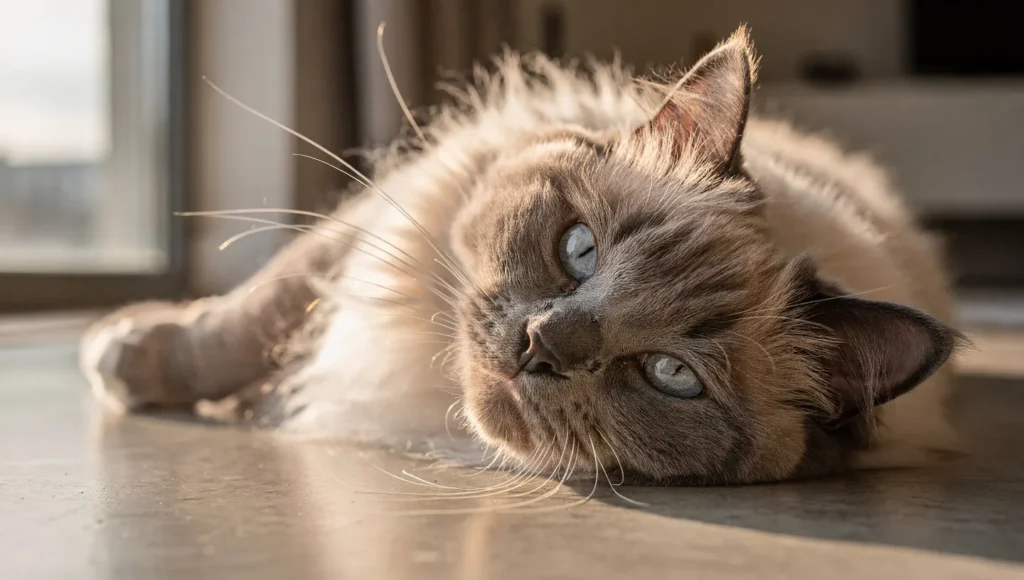
Essential Tips for Raising Cats in Apartments
Apartment cats need enough mental and physical stimulation to stay healthy. Since they spend most of their time indoors, creating an enriching environment is extremely important.
Cat trees, shelves, and climbing towers allow cats to use vertical space effectively. This is especially helpful in small apartments where floor space is limited.
Interactive toys can prevent boredom and destructive behavior. Puzzle feeders, laser toys, and feather wands are excellent options for indoor cats.
Litter box placement also matters. Keeping litter boxes clean and placing them in quiet areas helps cats feel comfortable using them.
Window perches are another great addition because cats enjoy observing outdoor activity. Watching birds and people outside can provide mental stimulation.
Maintaining a regular feeding and play schedule helps reduce anxiety and creates stability for indoor cats.
Common Mistakes Apartment Cat Owners Make
Many apartment cat owners underestimate the importance of exercise. Even calm cat breeds need daily activity to prevent obesity and boredom.
Another common mistake is ignoring vertical space. Cats naturally enjoy climbing and observing their surroundings from elevated positions.
Using low-quality litter products can also create odor problems in apartments. Investing in odor-control litter and proper litter boxes improves the living environment significantly.
Some owners fail to provide scratching surfaces, which can lead to damaged furniture. Scratching posts and pads are essential for protecting household items.
Overfeeding indoor cats is another issue because apartment cats may burn fewer calories than outdoor cats. Portion control and balanced nutrition are important for maintaining a healthy weight.
FAQ
Which cat breed is best for small apartments?
Persian, British Shorthair, and Ragdoll cats are among the best choices because of their calm and indoor-friendly personalities.
Are indoor cats happier in apartments?
Indoor cats can live very happy lives in apartments when provided with toys, climbing areas, and regular attention.
What is the quietest cat breed for apartments?
Russian Blue and British Shorthair cats are known for being quiet and calm.
Do apartment cats need cat trees?
Yes, cat trees help indoor cats exercise, climb, and stay mentally stimulated.
Can large cats live in apartments?
Yes, large breeds like Maine Coons can adapt well if they receive enough playtime and vertical space.
Conclusion
Choosing the right cat breed can make apartment living easier and more enjoyable for both owners and pets. Calm, adaptable, and low-maintenance breeds usually perform best in smaller indoor environments. Providing enrichment, quality nutrition, and regular interaction helps apartment cats stay healthy and happy for many years.